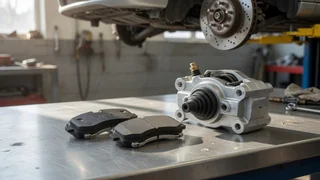
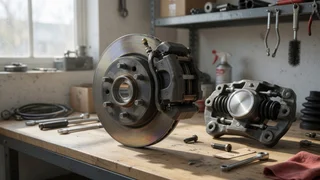
Z31 brake calipers
Choosing replacement Z31 brake calipers means looking beyond a simple part number. These fixed or floating caliper assemblies clamp the brake pads against the rotors, converting hydraulic pressure into stopping force. Because the Z31 chassis has been on the road for decades, buyers face questions about wear, corrosion, piston condition, and vehicle fitment. A replacement choice should account for whether you are restoring a stock setup or upgrading for harder use. The right caliper restores balanced braking without introducing a pedal-travel or mounting problem, while the wrong unit can create uneven pad wear or a fluid leak at the hose. Understanding what to inspect before purchase helps avoid buying a core that is only cosmetically clean.
The direct answer
The immediate answer is that you should select Z31 brake calipers by confirming the exact chassis year, trim, and whether the car uses the early or later rotor setup, then inspect the caliper body, piston bores, slide surfaces, and threads before buying. A used caliper is only a good value if the piston moves freely and the bore is not deeply pitted. For a refreshed unit, the seller should have replaced the internal seals and dust boots and cleaned the guide surfaces. The key condition that changes the choice is whether you are buying a bare core for rebuilding, a remanufactured caliper, or a new aftermarket assembly. Each route carries different risk in fit and service life.
A caliper that looks dry and rust-free on the outside can still have a seized piston or a torn internal seal. If the piston does not retract smoothly, the brake pad will drag against the rotor and generate heat, causing uneven friction material wear and possible fluid boiling. When comparing candidates, check that the bleeder screw is intact and the brake hose banjo mating surface is flat. The caliper must also match the bracket and mounting-ear spacing for the vehicle fitment. Without that confirmation, a visually similar part may not center over the rotor. A suitable purchase therefore pairs mechanical condition with the correct generation-specific casting and hydraulic inlet position.