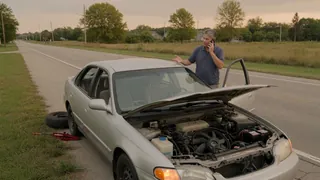
Travelers Roadside Assistance Coverage: What It Is and How to Confirm It
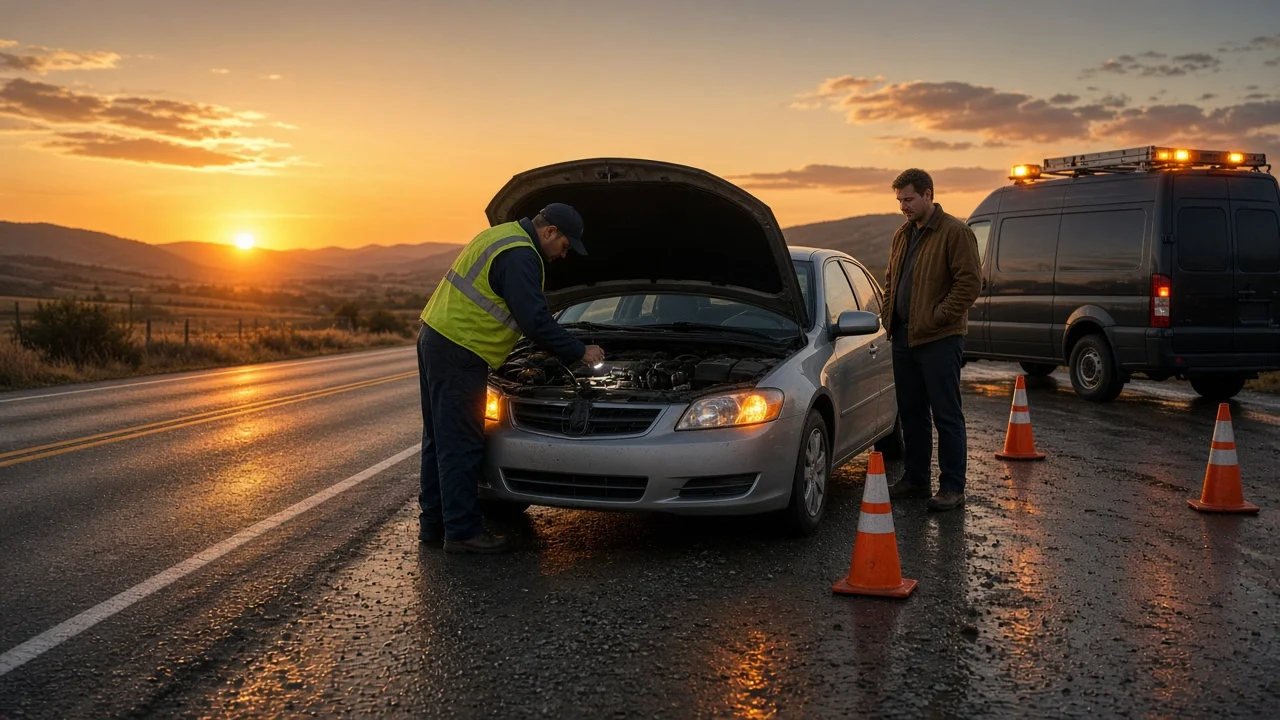
If you have a Travelers auto policy, or are comparing one, you may want to know whether roadside help is part of it and what it would cover. This guide explains how roadside assistance generally works on a US auto policy, how it differs from similar protections, and which details you need to confirm with Travelers directly. No verified Travelers documents, prices, limits or contact details were available for this article, so specific terms are flagged as items to check rather than stated as fact.
The Short Answer
On US auto policies, roadside assistance is typically an optional add-on, sometimes called an endorsement, rather than part of the required liability coverage. It usually pays for or arranges help when a covered vehicle breaks down or becomes undrivable. Whether your Travelers policy includes it depends on whether you selected it, which state you are in, and the policy terms that apply there. The only way to be certain is to check your declarations page, the summary document listing your coverages, or to ask Travelers or your agent.
What Roadside Assistance Generally Covers
The following services are common in roadside assistance coverage across the insurance industry. They describe the category in general and are not a confirmed list of Travelers benefits.
Towing to a repair facility, often subject to a distance or cost limit; Jump-starts for a dead battery; Flat tire changes using the vehicle's spare; Delivery of a limited amount of fuel, with the fuel itself sometimes billed separately; Lockout help when keys are locked inside the vehicle; Winching when a vehicle is stuck near the road, typically with distance limits
Policies differ on how many service calls are allowed per term, the maximum payment per event, and whether help must be arranged through the insurer's own dispatch service or can be reimbursed afterward. These terms can change the value of the coverage, so they are worth confirming.
How It Differs From Similar Protections
Roadside assistance from an insurer overlaps with several other sources of help. Knowing the differences can help you avoid paying twice for the same benefit.
Source | How it usually works | Points to compare; Insurer roadside add-on | Attached to your auto policy and tied to a covered vehicle | Per-event limits, call limits, dispatch requirements, whether a call is recorded on your policy; Towing and labor coverage | An older or alternative policy coverage that often reimburses towing and on-site labor costs | Whether you pay first and claim later, and the reimbursement cap; Auto club membership | A separate membership that typically covers the person rather than one vehicle | Annual fee, coverage when riding in another car, tiers of service; Manufacturer or warranty roadside program | Often included with newer vehicles for a set period or mileage | Expiration, which repairs or tows qualify, whether you must use a dealer; Credit card or phone carrier benefit | Sometimes offered as a perk or pay-per-use service | Whether it is free or only discounted, and service limits
If your vehicle already has a manufacturer roadside program or you hold an auto club membership, an insurer add-on may duplicate coverage you already have. On the other hand, adding it to your policy can be convenient if you prefer a single point of contact.
Gaps in the Available Information
No confirmed Travelers-specific evidence was found for this article. The following points could not be verified and should be checked directly before you rely on the coverage.
The cost of adding roadside assistance to a Travelers policy; Towing distance or dollar limits per event; The number of service calls allowed per policy term; Whether the coverage is available in your state; Whether using roadside service is recorded as a claim or affects future premiums; How to request service, including any dedicated phone line or app feature
How to Confirm Your Coverage
Review your declarations page for a roadside assistance or towing and labor line item; Read the endorsement wording for limits, exclusions and whether service must be dispatched by the insurer; Ask your agent or Travelers whether the coverage applies to every vehicle on the policy or only selected ones; Compare the terms with any manufacturer program, auto club membership or card benefit you already have; Save the official roadside contact method from your policy documents or insurer app before you need it
Roadside assistance is usually inexpensive relative to other coverages, but its real value depends on limits and on what you already have elsewhere. Confirming those details with Travelers is the most reliable way to decide whether to add it, keep it or drop it.