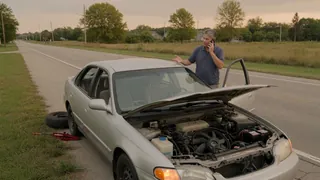
Get North Carolina highway roadside assistance
Finding yourself stranded along a North Carolina highway quickly turns a routine drive into an urgent problem. Knowing how to request help, what information to give, and what to expect from a responder helps you regain control. The right approach depends on your exact location, the nature of the disablement, and which agency or provider covers that stretch of road. This guide explains what to check before you commit to a roadside assistance plan or make the call.
The direct answer
The most direct route to help is to identify the road you are on and call the appropriate response number for that corridor. On many limited-access highways, help is coordinated through a state traffic management center or a contracted service patrol that monitors cameras and reports from drivers. Calling 911 remains appropriate when the disabled vehicle creates an immediate hazard, someone is injured, or you cannot move well clear of travel lanes. Otherwise, a non-emergency highway assistance line connects you with the responsible agency for the route number.
Before a breakdown occurs, compare plans by looking at response coverage, especially the difference between towing on an interstate and local roads. A plan that sounds comprehensive may still leave a coverage gap on certain state-maintained routes or during specific notice times. Ask whether the provider dispatches to the reported location using mile markers and travel direction, since those details help a driver reach you without crossing a median. If a plan cannot honor that level of detail, keep looking.