Toyota Tundra brake caliper stuck
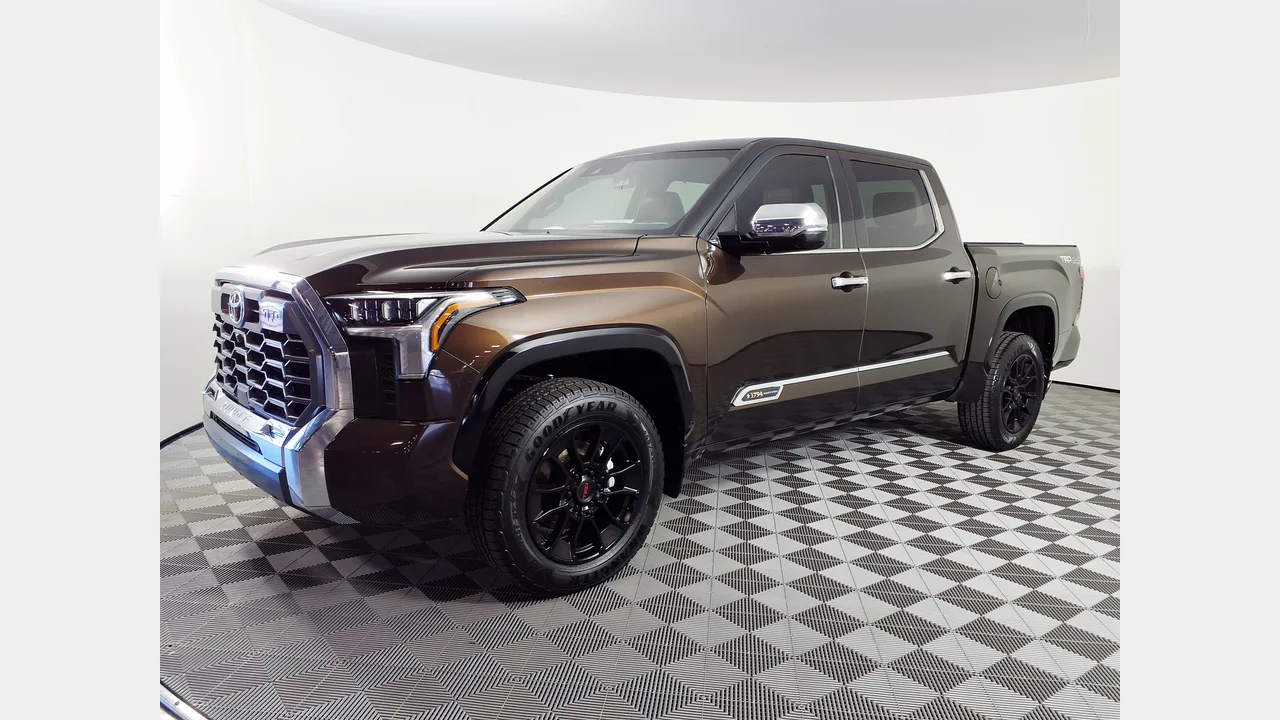
A Toyota Tundra brake caliper that sticks changes how the truck slows, steers, and wears its brake components. The condition usually appears as a constant drag at one wheel, uneven pad wear, heat, or a pull during braking. Because the Tundra is heavy and often used for towing or off-road work, the caliper and its sliding hardware face extra stress. Understanding the difference between a caliper that is fully seized, a caliper that releases slowly, and a pad or hose fault helps narrow the cause before repair work begins.
Essential answer
A stuck Toyota Tundra brake caliper means the caliper is not retracting enough to let the brake pads release the rotor cleanly. The piston may remain extended, or the caliper body may not slide on its pins after the brake pedal is released. The result is residual friction between the friction material and the brake rotors, which creates drag, heat, and faster pad wear. On a Tundra, this may be felt as a soft pull, a hot wheel, or a burning smell from one corner after normal driving.
The problem can be caused by more than the caliper itself. Corroded slide pins, a collapsed flexible brake hose, contaminated brake fluid, or a brake pad wedged in its bracket can produce the same symptom. A caliper that is difficult to compress by hand is suspect, but the fault is not automatically the caliper. Vehicle fitment matters because Toyota uses different brake packages across Tundra generations and wheelbases. The essential first step is isolating whether the binding is mechanical, hydraulic, or related to mounting hardware before replacing parts.