Toyota Tundra Wheel Offset by Generation
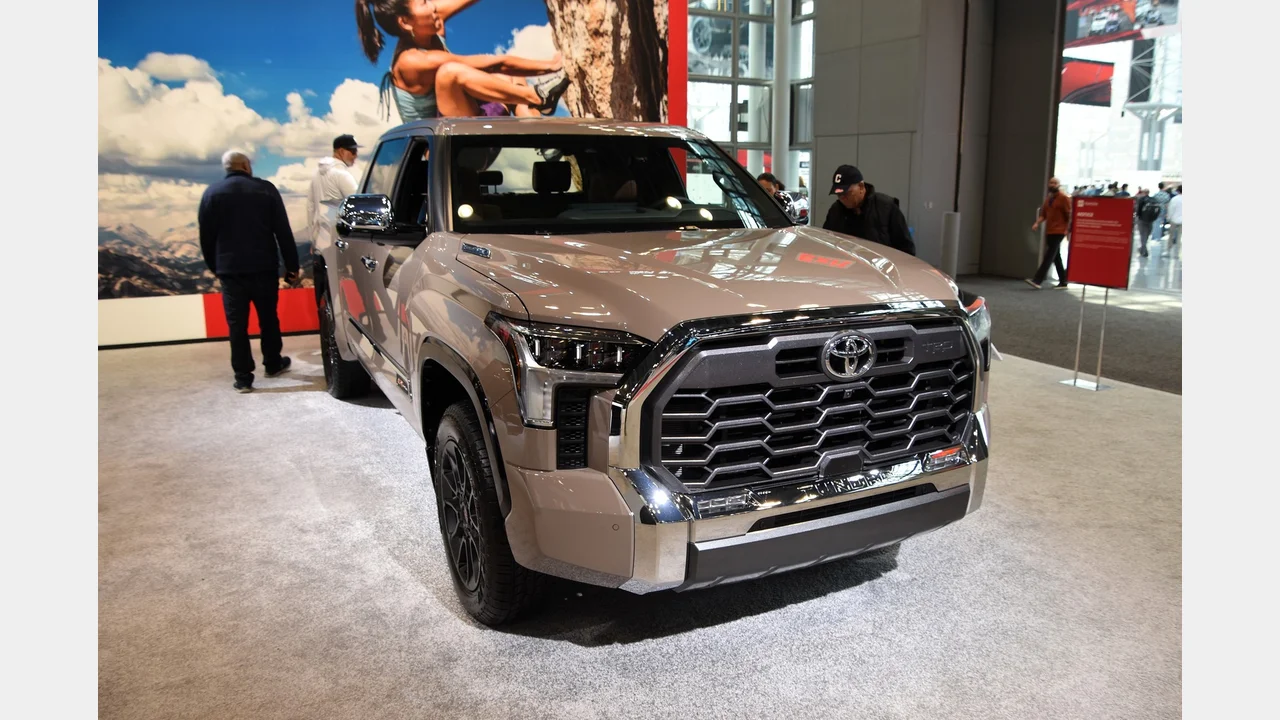
Choosing wheels for a Toyota Tundra means looking beyond rim diameter and bolt pattern. Offset controls where the tire sits relative to the suspension and body, which changes steering feel, clearance, and whether a wider tire will rub. Because the Tundra has moved through distinct platform generations, the appropriate wheel offset is not a single number for every model year. A setting that fits a first-generation truck may sit too far outward or inward on a later model. Understanding how offset works helps owners compare factory specifications, aftermarket options, and fitment choices without relying on guesswork.
Essential answer
Wheel offset describes the distance between the wheel's mounting surface and the centerline of the rim. A zero offset places the mounting face at the center. Positive offset moves the wheel inward toward the suspension, while negative offset pushes the tire outward. For a full-size truck such as the Tundra, factory wheels generally use a positive offset to keep the tire within the fender while preserving clearance around brakes and steering components. The exact value varies by wheel width because offset and width work together to determine backspacing and final position.
Across Tundra generations, the general trend has been for stock wheels to remain in a moderate to high positive offset range while rim diameter and width have increased on newer trucks. Owners researching a 2025 Tundra wheel offset, a 2nd gen Tundra wheel offset, or a 3rd gen Tundra wheel offset should treat manufacturer specifications as a starting point for that specific platform. A 2019 Tundra wheel offset and a 2022 Tundra stock wheel offset may appear similar in concept, but hub, suspension, and fender changes mean fitment should be checked against the actual generation and wheel width rather than assumed from an older truck.