Toyota Pickup Rear Axle Bearing: How to Choose the Correct Part
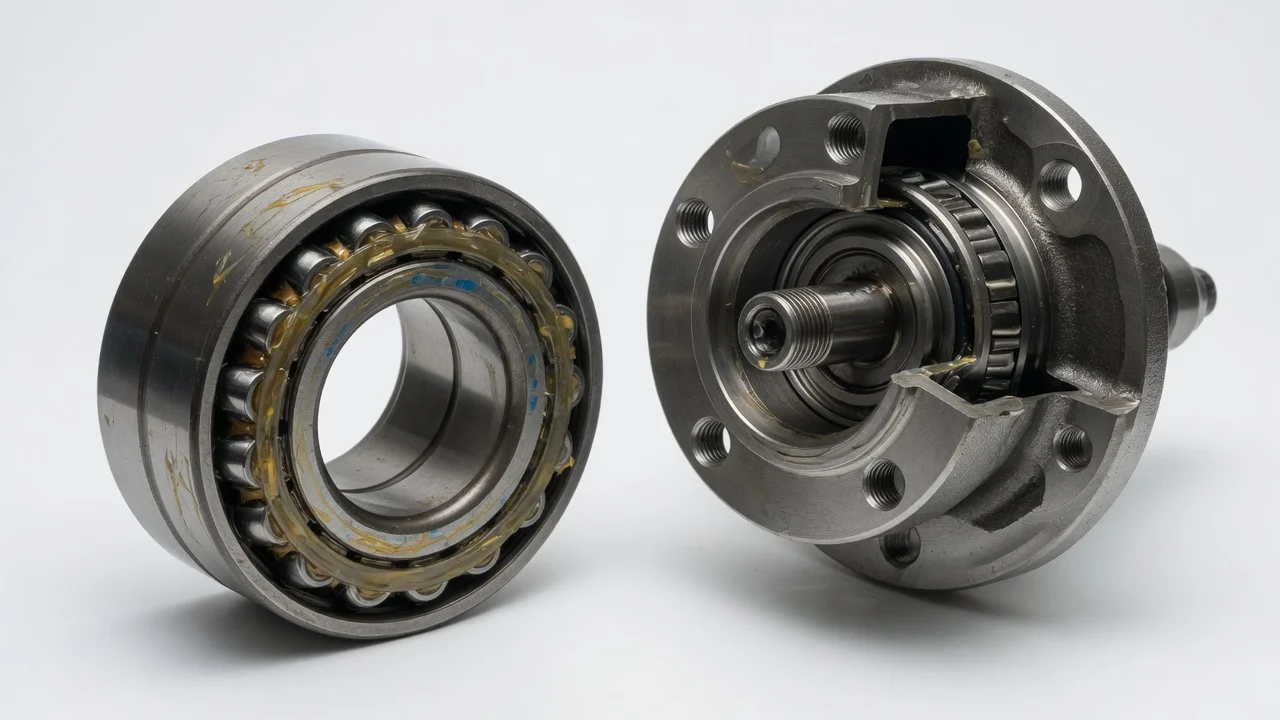
A worn rear axle bearing on a Toyota pickup usually shows up as a growl that changes with road speed, a gear oil leak at the backing plate, or play at the wheel. Replacing it is routine, but rear wheel bearings for these trucks are not interchangeable across every year, drivetrain and axle option. This guide explains how to match the part to your truck, which features matter, and what the job really costs before you order.
Define the job the product must do
Start by confirming that the bearing is the actual problem. A humming or grinding noise from the rear can also come from tires, the differential or a dragging brake. A proper inspection with the rear raised and supported should check for play when you rock the wheel, roughness when you turn the axle by hand, and wet gear oil on the brake shoes or backing plate, which often points to a failed axle seal rather than a failed bearing alone. If oil has reached the brake linings, the brakes need attention as part of the same repair.
Next, consider how the truck is used. A pickup that regularly tows, hauls near its rated payload, crosses water or sees dusty off-road trails puts more stress on the rear bearings and seals than one used for light commuting. Those operating conditions do not change which part fits, but they do influence how much weight you should give to seal quality, brand consistency and whether you replace both sides at once. Also decide whether you will do the work yourself or have a shop press the bearing, because that affects whether a complete kit or a bare bearing makes more sense.
Check compatibility
Fitment depends on the exact vehicle configuration, not just the model name and year. Record the model year, production month from the door jamb label, the VIN, two-wheel or four-wheel drive, cab and bed type, and whether the truck has rear ABS. Toyota made running changes within model years, so the production date can decide which bearing, seal and retainer were used. If the axle or drivetrain has been swapped from another truck, the parts must match the installed axle, not the original build data.
Identify the axle design before comparing bearings. Most Toyota pickup rear axles are semi-floating, where the bearing is pressed onto the axle shaft and held by a retainer collar, but bearing type can differ between versions, including sealed ball bearings and tapered roller bearings with a separate outer race. Some heavier-duty configurations may use a different hub arrangement entirely. The surest method is to compare the dimensions and part numbers on the old bearing with the replacement listing, or to look up the part through a Toyota parts counter using your VIN.
Check the related interfaces too. The inner oil seal, retainer collar, retainer plate gasket or O-ring, and any ABS tone ring or sensor must match the bearing you buy. Brake type and backing plate design can also affect which seals and spacers are listed. A bearing that measures correctly but pairs with the wrong seal will still leak.
Features that affect the choice
The most useful distinction is between a bare bearing and a complete kit. Kits typically include the bearing, a new retainer collar and one or more seals. Because the retainer collar is usually destroyed or weakened during removal, and seals should not be reused, a kit avoids a second trip for parts. A bare bearing can still be the right choice if you already have matching seals and collars from a known supplier.
Quality is harder to judge from a listing than from the part itself. Meaningful evidence includes a clear bearing manufacturer identification on the part, a published cross-reference to the original part number, stated dimensions, and a warranty with understandable terms. Labels such as heavy duty, premium or OE quality are marketing terms unless backed by specific information. Genuine Toyota parts and bearings from established bearing makers offer predictable fitment, while unbranded parts vary more from batch to batch. Matching the original design, sealed or tapered, matters more than any upgrade claim.
Limitations and ownership costs
On a semi-floating axle with a pressed bearing, the axle shaft must be pulled and the old retainer and bearing pressed off, then the new ones pressed on. This normally requires a hydraulic press and suitable adapters, so many owners remove the shaft themselves and pay a machine shop or garage for the pressing. Do not attempt to heat the retainer collar or improvise with a hammer; the collar is what holds the axle in the housing, and an improperly seated one can allow the shaft to slide out.
Budget for the consumables around the bearing: inner and outer seals, gaskets or O-rings, fresh differential gear oil to replace what is lost, and brake cleaner or replacement shoes or pads if oil contaminated them. Tapered roller designs may require grease and correct preload or seating procedures, so follow the manufacturer specifications in the factory service information rather than general rules. Torque values for the retainer nuts and wheel lug nuts should also come from that documentation.
A new bearing cannot fix a bent axle shaft, a worn bearing seat in the housing or a differential noise. Inspect the shaft journal and housing bore while everything is apart. There is no universal replacement interval for these bearings; follow your maintenance schedule for differential oil changes, inspect seals at service visits, and keep the service history so future repairs start with known parts.
Build a practical shortlist
Before buying, confirm these points for each candidate part. It is listed for your exact year, production date, drivetrain and ABS status, ideally verified by VIN. Its part number cross-references to the original Toyota part or to the bearing you removed. The bearing type matches the original design. It includes, or you have separately sourced, the correct retainer collar and seals. The manufacturer is identifiable and the warranty terms are clear.
Then weigh the practical side. Decide whether you need one side or both; replacing both together keeps wear even if the truck has high mileage or similar symptoms on each side. Confirm who will press the bearing and what they charge, add the cost of gear oil and any brake parts, and compare the full job cost rather than the bearing price alone. A correctly matched part from a known source, installed with new seals and collars, will usually serve better than a cheaper part chosen on price.