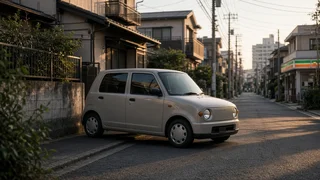
Toyota kei cars
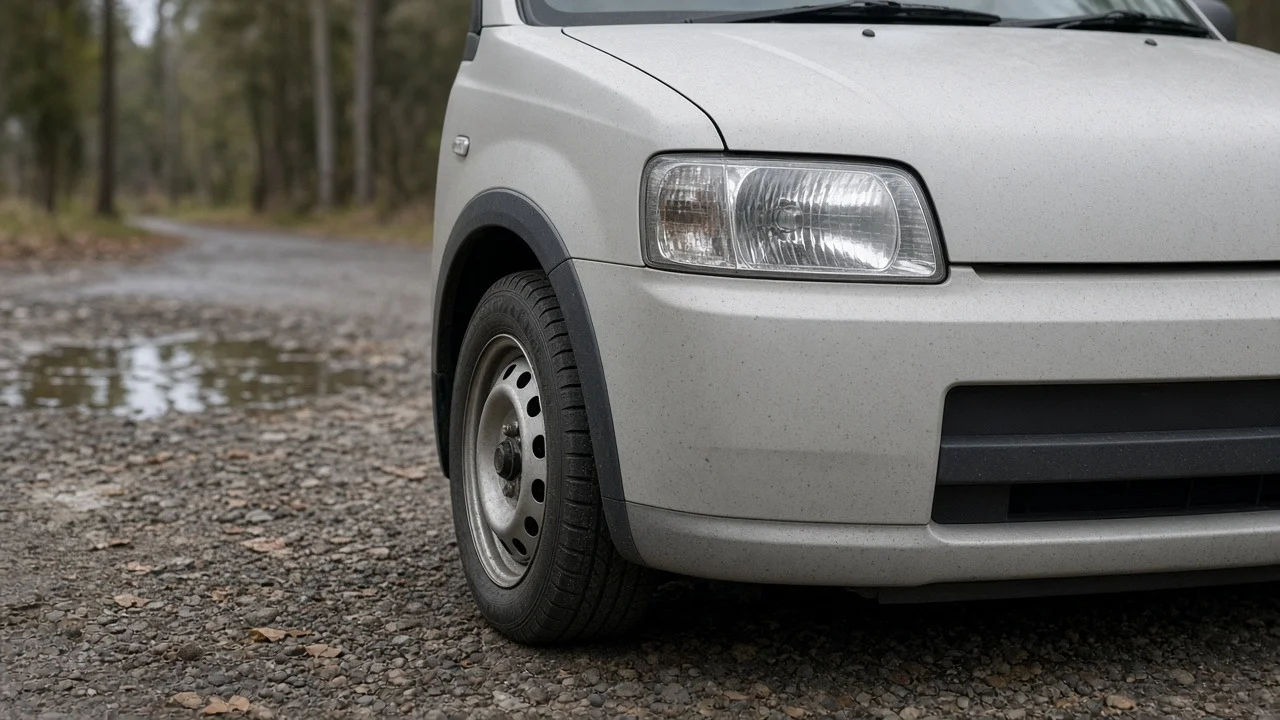
Toyota’s connection to Japan’s kei vehicle class often surprises shoppers who search for “k car toyota” and expect a full lineup of miniature models. In practice, Toyota participates more selectively than several rivals, influencing the market segment through partnerships, supply arrangements, and a small number of badged models rather than a broad domestic portfolio. The kei category itself is a regulated vehicle class defined by compact dimensions, small-displacement powertrains, and limited output. Understanding that framework helps clarify why certain small Toyota-badged cars appear in some regions, while other body configurations remain absent from the automaker’s own showrooms.
Essential answer
Toyota is not a leading producer of original kei passenger cars, despite being Japan’s largest automaker. Its modern involvement is most visible through vehicles developed or supplied under agreements with kei specialists, such as the Toyota Pixis family. These models adopt the compact dimensions, seating layout, and engine displacement limits required for the class, but they are often engineered by a partner manufacturer. As a result, searching for a “k car toyota” normally leads to a limited range of badge-engineered variants rather than a distinct Toyota-developed platform or a unique powertrain layout.
The broader scope includes commercial and passenger vehicles sold under different names within Toyota’s Japanese network. Some minivehicles, small vans, and microcars appear as rebadged products that share body configuration and model generation with Daihatsu or Suzuki designs. Because kei regulations are tied to Japan’s domestic market, availability in North America is extremely limited and generally tied to private import or specialty use. A prospective buyer should therefore separate Toyota’s global compact cars from true kei-class products, which are smaller and subject to different tax, safety, and performance categories than vehicles sold through American Toyota dealerships.