Kei Cars for Sale in Japan: Prices, Import Costs and What to Check
The short answer
Kei cars are among the cheapest vehicles to buy in Japan. Many listings in Japan look inexpensive by US standards, but the sticker price is only part of the cost for a buyer in the United States. The real figure is the landed cost: the purchase price plus exporter fees, transport in Japan, ocean shipping, US customs duty, port and broker charges, and state titling.
Two conditions matter most. First, a vehicle generally has to be at least 25 years old, counted from its month of manufacture, before it can be imported for road use without meeting US safety standards. Newer kei cars are, in practice, not legally importable as road vehicles. Second, some states restrict or refuse road registration for kei vehicles even when federal import rules are met. Check your state before you bid on anything.
What counts as a kei car
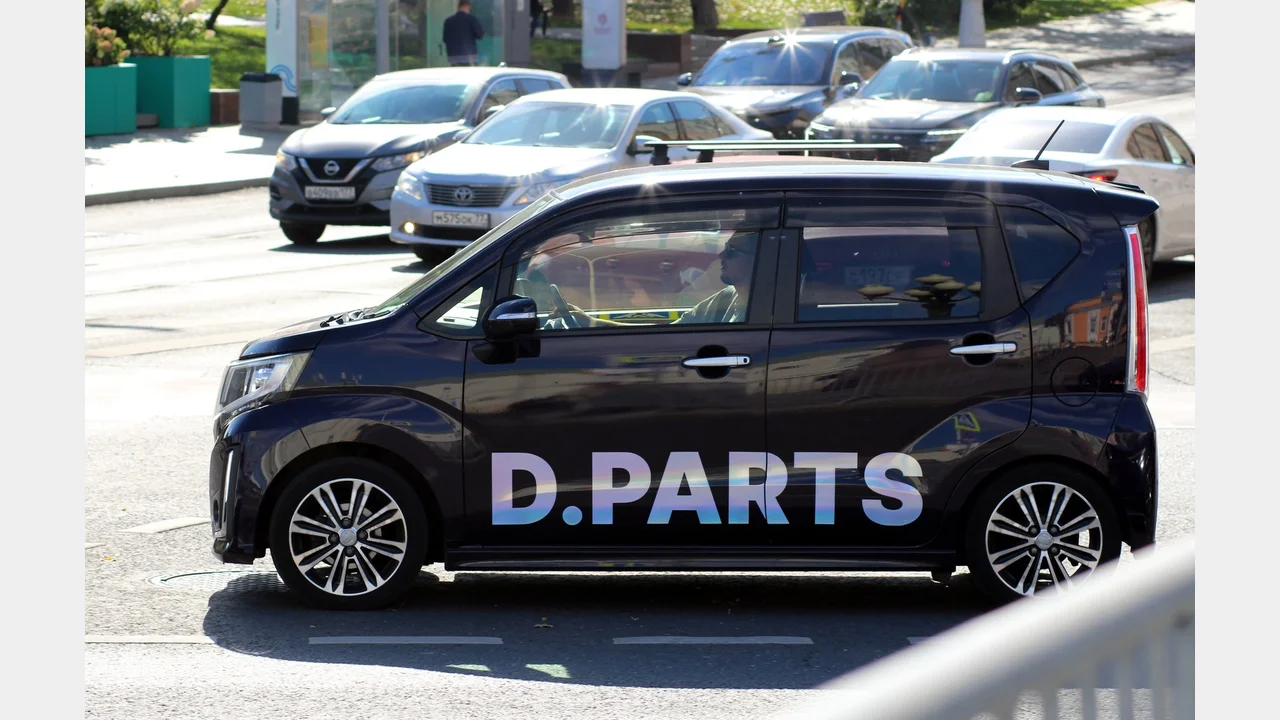
Kei (keijidosha, or light automobile) is a Japanese vehicle class with size and engine limits that give owners lower taxes and insurance costs in Japan. The current rules allow engines up to 660 cc and set maximum dimensions of about 3.4 m long, 1.48 m wide and 2.0 m tall. Power has traditionally been held to around 64 PS under a long-standing industry agreement.
Older kei cars were built under earlier, smaller limits. That matters to US buyers because the vehicles now old enough to import come from those earlier rules. Engine size, dimensions and equipment differ by model year, so tie any specification you rely on to the exact year, model code, trim and powertrain.
The class covers several body types, and each tends to sit in a different part of the market:
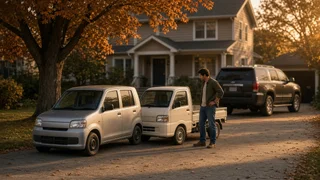
Kei trucks: small pickups, often with 4WD and a manual gearbox, widely used on farms and job sites; Kei vans: boxy cargo or passenger vans with sliding doors; Hatchbacks and tall wagons: everyday commuter cars; Sports and specialty models: small roadsters and coupes, which usually draw collector interest and higher prices
What drives the price in Japan
Prices vary too widely by year, model and condition for one number to be useful. These are the factors that move a particular car up or down:
Model and body type: collectible sports kei cars and well-kept 4WD trucks tend to cost more than ordinary hatchbacks; Age and import eligibility: cars that have just reached 25 years can see demand from export buyers; Condition and auction grade: higher grades and clean interiors cost more; Mileage: recorded in kilometers; very low figures on old vehicles deserve a closer look; Drivetrain and gearbox: 4WD, manual gearboxes, turbo engines and features such as differential locks or high/low range on trucks can add value; Rust history: vehicles from snowy or coastal regions may have underbody corrosion that lowers their worth; Where you buy: auction purchases through an agent, dealer stock and private sales each carry different margins and fees
Where kei cars are sold in Japan
Most overseas buyers buy through Japan's wholesale auto auctions. These are dealer-only, so a foreign buyer uses an export agent or exporter who bids for them. Others buy from exporters' own stock, which shows a fixed price but usually includes the exporter's margin. Buyers living in Japan can also use retail dealers and private sales, though export paperwork and logistics then fall to them or an agent.
Channel | How it works | Main trade-off; Auction via agent | Agent bids on your behalf using the auction sheet and photos | Wide choice and wholesale pricing, but you rely on the sheet and the agent's inspection; Exporter stock | Car already bought and listed at a set price | Simpler and often more photos, but the price includes markup; US importer or dealer | Car already in the US, titled or ready to title | Highest price, but import risk and paperwork are already handled
Reading an auction sheet
Japanese auction houses inspect each vehicle and issue a sheet with an overall grade, a separate interior grade, a body diagram marked with damage codes, and inspector notes. Higher numbers mean better condition. A grade marked R or RA usually means the car has had accident repairs. The format differs between auction houses, so ask your agent to translate the notes in full rather than just quoting the grade.
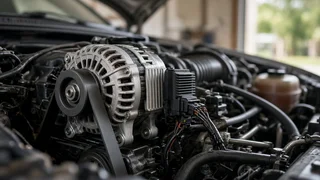
An auction sheet is a quick visual inspection, not a mechanical survey. It may not capture underbody rust, worn clutches or electrical faults. If you can, pay your agent for extra photos of the underside, frame and engine bay before bidding.
The full cost of importing to the US
Fees differ between agents, ports and shipping methods, so get an itemized quote before committing. A typical cost stack looks like this:
Vehicle price: winning bid or listed price; Auction and agent fees: auction house charges plus the agent's service fee; Transport in Japan: moving the vehicle from the auction or seller to the port; Deregistration and export certificate: paperwork showing the car is cancelled in Japan and cleared for export; Ocean freight: roll-on/roll-off shipping or a shared or dedicated container; Marine insurance: optional but worth considering; US customs duty: depends on how the vehicle is classified; Port, terminal and customs broker fees: including Importer Security Filing for container shipments; Transport from the port to you; State costs: title, registration, sales or use tax, and any required inspection
Duty classification matters for trucks. Passenger cars carry a low US duty rate, while light trucks fall under a much higher rate long known as the chicken tax. Kei trucks are generally treated as trucks. Confirm the classification for your specific vehicle with a licensed customs broker before you buy, because it can change the total substantially.
Federal eligibility: the 25-year rule
NHTSA allows vehicles at least 25 years old to enter without meeting Federal Motor Vehicle Safety Standards. The EPA has its own age-based exemption from emissions standards. The age is counted from the month and year of manufacture, so a car that is 25 by model year may still be too young by build date. Confirm the manufacture date in the export certificate or with the exporter.
Vehicles that do not qualify cannot simply be registered later. Importing a non-compliant vehicle can lead to seizure and destruction or forced re-export, and some newer kei trucks have been brought in only as off-road equipment, which limits where they can be used.
State registration and road use
Federal clearance does not guarantee a road title. States treat kei vehicles differently. Some title them as ordinary vehicles, some limit them to low-speed or restricted-road use, and some have refused or revoked registrations. Rules have changed in several states in recent years, so check current requirements with your state's motor vehicle agency before buying.
Think about practical use too. Kei cars have small engines and were designed for Japanese roads and speeds. Many are comfortable around town and on rural roads but less suited to sustained highway driving. They also lack the crash structures of modern US cars.
Parts and ownership considerations
Kei cars are right-hand drive, with metric fasteners, and many parts were never sold in the US. Common service items such as filters, belts and brake pads are often available through Japanese parts exporters or specialist US suppliers. Body panels, trim and model-specific parts can be harder to find. Before you buy, check parts by the model code on the chassis plate, not just the model name, since one name can cover several generations with different parts.
Check that the tires fit a size you can source locally; Ask whether the car has had a recent timing belt change, if its engine uses one; Budget for a full baseline service after arrival: fluids, filters, belts and brakes; Look for a local mechanic or club familiar with Japanese domestic-market vehicles; Check insurance before importing; some insurers treat kei vehicles as specialty or collector vehicles
A practical buying sequence
1) Confirm your state will title and register the type of kei vehicle you want for your intended use; 2) Choose candidates whose manufacture date clears the 25-year rule; 3) Get itemized quotes from at least two exporters or agents covering every fee up to the US port; 4) Ask a customs broker how the vehicle will be classified and what duty applies; 5) Review the translated auction sheet, extra photos and underbody images before bidding; 6) Set a maximum bid based on your total landed-cost budget, not the car's price alone; 7) Make sure you receive the export certificate and its translation, which you will need for customs and titling; 8) Plan port pickup or transport and complete state titling after the car clears customs
If the paperwork and risk are not worth the savings, consider buying a kei car already imported and titled in the US. You pay more for the car, but you avoid duty surprises, eligibility mistakes and shipping delays, and you can inspect the vehicle in person before buying.