Kei Car Prices and Buying Suitability: What to Check Before You Buy
The short answer on kei car prices
No single reliable price exists for a kei car in the US, and this article does not quote figures because no confirmed current pricing was available for it. What a kei car costs you depends on four things: the specific vehicle (model, model year, trim, drivetrain, mileage and condition), how it reaches you (already imported and titled, or sourced from Japan), the import and registration costs on top of the purchase price, and whether your state lets you register and drive it where you plan to use it. The last condition matters most. A kei car that is cheap to buy but cannot be legally registered for your intended roads may have little practical value.
What a kei car is
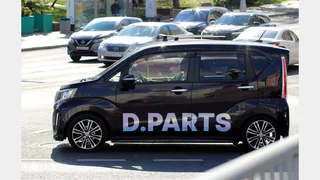
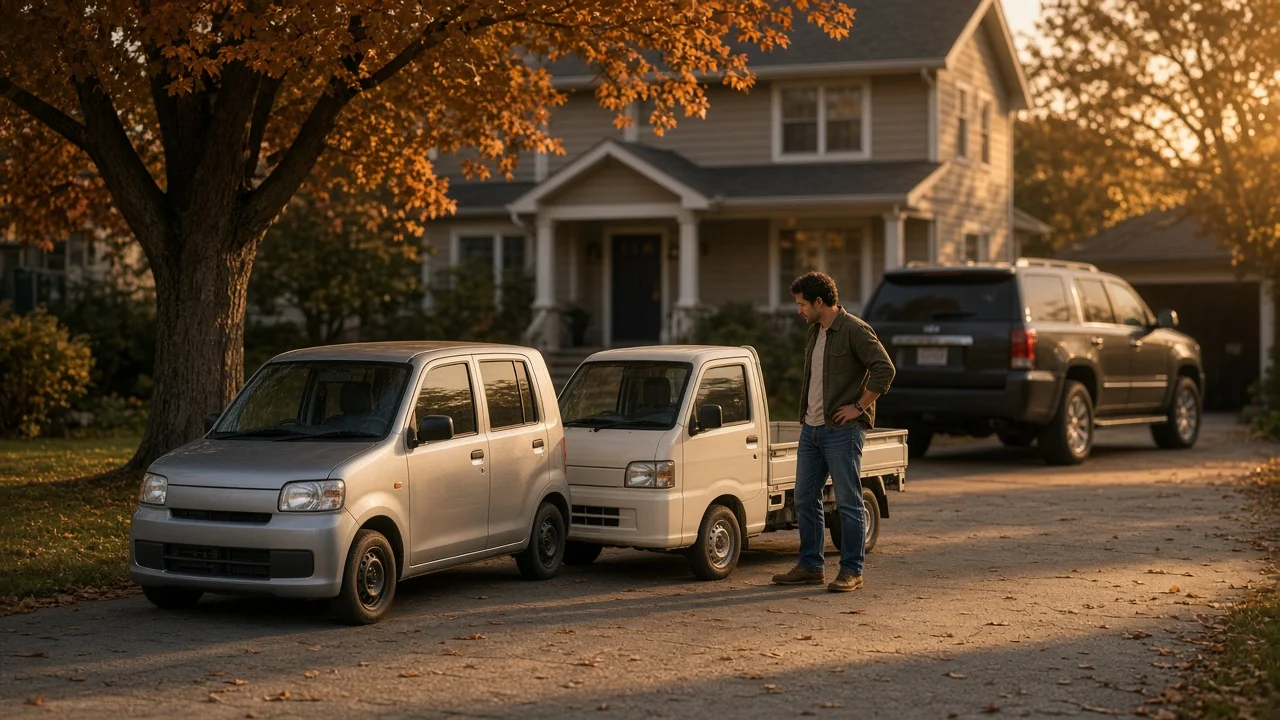
Kei cars, from the Japanese "kei jidosha" or light automobile, are a Japanese vehicle class with strict limits on exterior size and engine displacement. Under current Japanese rules, engines are capped at 660 cc. The class includes small passenger cars, vans and the compact pickup-style vehicles usually called kei trucks. Because the class was designed for Japanese roads, tax rules and parking conditions, US buyers need to weigh both the price and whether the vehicle fits American driving conditions.
How kei cars reach US buyers
Most kei vehicles were never sold new in the US. They usually enter under the federal exemption that lets vehicles at least 25 years old be imported without meeting current US safety and emissions standards. As a result, US kei car listings are mostly older models. Confirm the exact manufacture date of any vehicle before you commit, because eligibility depends on that date, not on the model name or when the generation started.
Costs beyond the sticker price
Whether you buy from a US importer or dealer or arrange your own import, the total cost can include several components. A dealer price may already include some of them. Ask which ones are included.
Cost component | What it covers | What to confirm; Vehicle purchase | Price paid at auction, from an exporter or from a US seller | Whether the price includes export handling and documents; Shipping | Ocean freight from Japan to a US port | Shared container or roll-on/roll-off, and insurance in transit; Import duty and customs | Duty, customs broker fees and port charges | Duty rate and tariff classification for that vehicle type, confirmed with a licensed customs broker; Inland transport | Moving the vehicle from the port to you | Distance and carrier availability; Title and registration | State titling, registration, taxes and any inspection | Whether your state will title it for road use or only for off-road or restricted use; Insurance | Liability and physical damage coverage | Whether your insurer will cover a right-hand-drive import; Maintenance and parts | Routine service and wear parts | Parts availability and lead times for that model and engine
Duty treatment can differ between passenger kei cars and kei trucks, and a classification error can change your cost substantially. Get this confirmed before purchase rather than assuming a rate.
Where kei cars suit buyers well
Property and farm work: kei trucks are widely used for hauling on farms, ranches, orchards, campgrounds and large private properties, where their small footprint and fold-down bed sides are practical. Low-speed local driving: short trips on lower-speed roads, where state rules allow it, suit the small engine and compact size. Tight spaces: narrow width and short length make maneuvering and parking easier. Enthusiast ownership: some buyers want a specific Japanese-market model as a hobby vehicle rather than as primary transportation.
Where kei cars are a poor fit
Regular highway or interstate driving: small engines and light construction leave limited reserve for sustained high speeds, merging and passing. Primary family transportation with crash safety as a priority: eligible imports are older vehicles built to Japanese standards of their era, without current US crash testing. States or localities that restrict them: some states limit kei vehicles to certain road types, require specific equipment, or decline to title them for on-road use. Buyers who need quick parts and dealer service: no US dealer network exists for these models, so parts may need to be sourced from specialists or from Japan.
Checks to make before buying
Confirm with your state motor vehicle agency how a kei car or kei truck would be titled and registered, and which roads it may use. Verify the exact manufacture date against the 25-year import eligibility requirement. Request the export certificate, import entry documents and customs clearance paperwork for an already imported vehicle. Check that the vehicle identification on the documents matches the vehicle itself. Confirm the drivetrain (two- or four-wheel drive), transmission type and engine variant, since these vary within the same model name and affect parts compatibility. Inspect for corrosion, especially underneath and in the cargo bed of kei trucks. Get an insurance quote for that specific vehicle before purchase. Identify a mechanic willing to service it, and check availability of common wear parts for that engine and model year. Ask whether a dealer price includes import costs, fees and any state-required modifications.
Information gaps to resolve yourself
No confirmed figures were available for this article on current US kei car prices, typical import totals, duty rates or state-by-state road-use rules. These figures change over time and differ by vehicle and location. Get current quotes from importers or sellers, a written duty assessment from a customs broker, and a direct answer from your state motor vehicle agency before you treat any price as final.
Choosing your next step
If you mainly need a utility vehicle for private land or low-speed local use, start by confirming your state's registration rules, then compare total delivered cost across several sellers, using the components above. If you need a vehicle for highway commuting or primary family use, a kei car is likely a poor fit regardless of price, and a small vehicle built for the US market will probably serve you better.