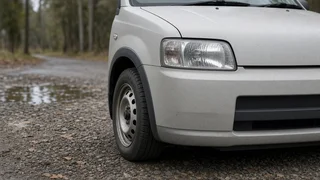
Toyota kei cars
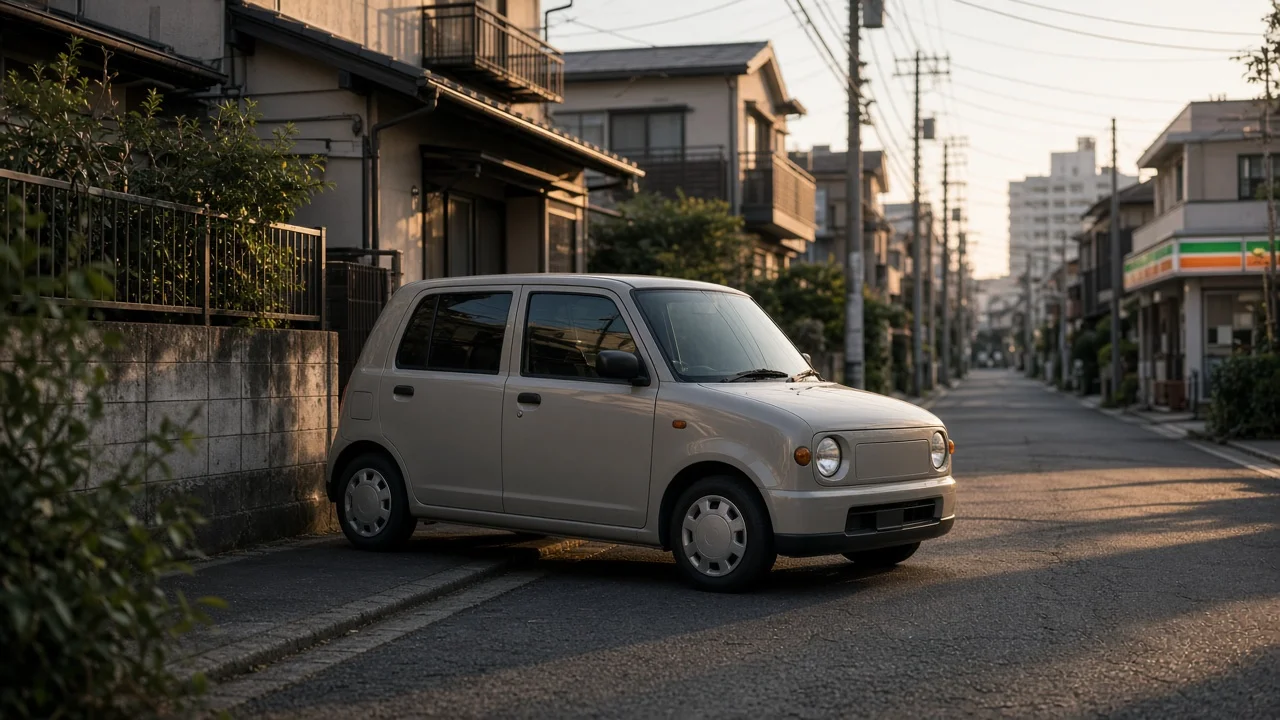
Shoppers researching a Toyota kei car usually want to understand how this small vehicle class differs from the subcompacts and trucks sold at typical US dealerships. The label refers to Japan’s kei segment, a regulated domestic category shaped around compact dimensions, modest engine displacement, and urban usability. A Toyota kei car may therefore be a rebadged or jointly developed model, often built with another specialist manufacturer, rather than a familiar US-market Toyota nameplate. That distinction matters when interpreting listings, import eligibility, and parts support.
Essential answer
A Toyota kei car is a miniature Japanese-market vehicle that fits the keijidosha rules for exterior size, engine capacity, and passenger or cargo configuration. Toyota itself has limited direct experience in this segment, so many models carrying its badge are produced through partnerships with Daihatsu or other kei specialists. Buyers encountering a “Toyota k car” online should treat it as a Japan-specific body configuration, often a tall wagon or microvan, rather than a conventional US compact. The vehicle class prioritizes tax benefits, narrow-road maneuverability, and efficient packaging over highway size or outright performance.
The practical meaning depends on how the vehicle will be used. In Japan, a kei car suits dense streets and short-distance commuting, while its powertrain layout typically places a small engine ahead of the passenger compartment and drives the front or all four wheels. For a US reader, ownership often implies a later import, a specialized vehicle already in the country, or research into models never sold here as new. Understanding that market segment prevents confusion with a Yaris or Corolla, because kei cars are smaller, differently regulated, and supported through distinct parts and service channels.