Toyota car fires
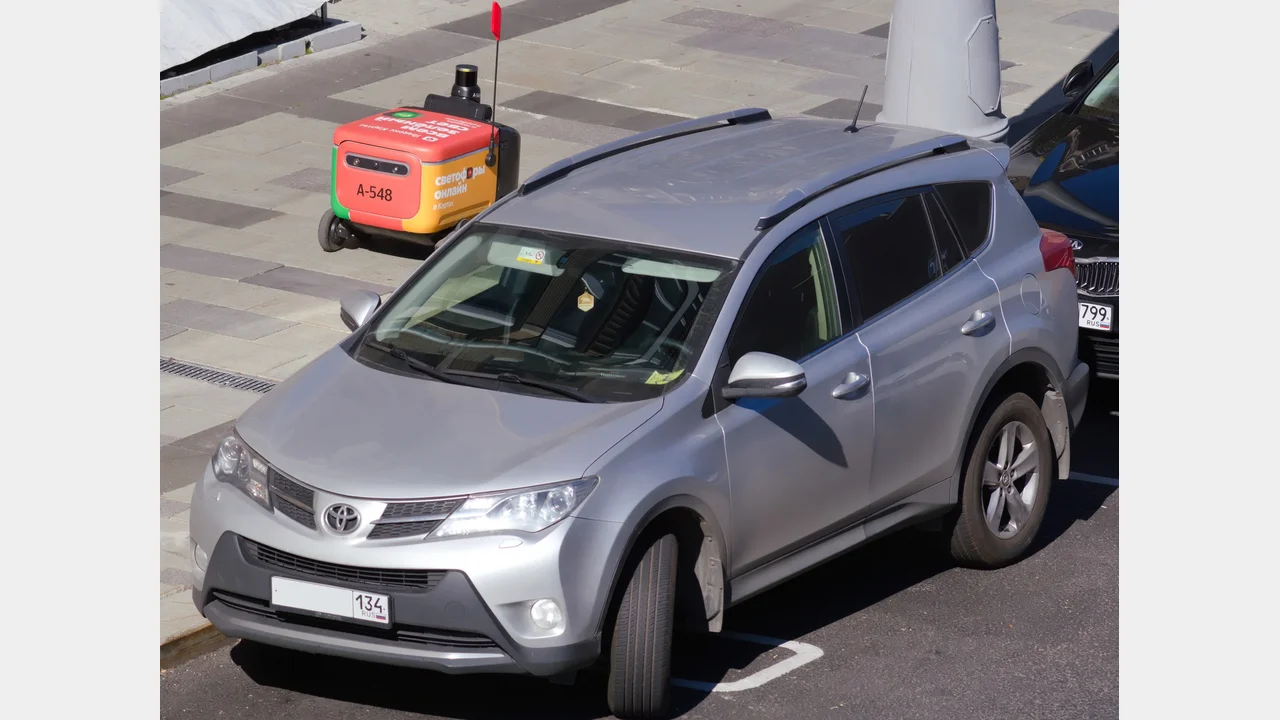
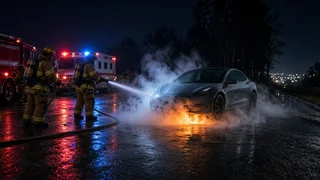
Toyota car fires are uncommon but serious events that can involve any used or new vehicle when an ignition source, combustible material, and oxygen meet in the engine bay, wiring, or interior. The phrase often appears in owner searches after a recall notice, a news report, or a burning smell, but it does not identify one universal defect. A fire is a safety condition, not a diagnosis. The following overview explains how vehicle fires begin, how to interpret warning signs, and how to safely respond without assuming a specific Toyota model is defective.
Essential answer
A car fire in a Toyota is best understood as a rare failure of containment: fuel, hot exhaust surfaces, or an electrical short releases enough heat to ignite nearby plastics, insulation, or leaked fluid. Oil and transmission fluid can smolder on a hot manifold, while a chafed harness can arc and melt insulation. Because newer vehicles concentrate wiring, plumbing, and emissions equipment in tight spaces, heat can build quickly. Not every report of a Toyota car fire means a factory defect; age, crash damage, previous repair quality, and neglected maintenance all affect risk.
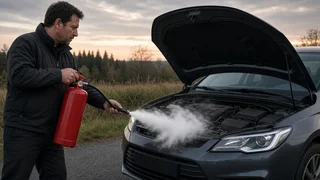
Toyota uses model-specific investigations and safety recalls when a pattern appears, but a single fire does not prove a fleet-wide issue. Manufacturer-dependent fault codes or campaign numbers require vehicle-specific confirmation through a dealer or official recall lookup. What a burning smell, smoke, or visible flame does prove is that a combustible material is receiving enough energy to react. The practical answer is therefore direct: treat any warning as an evacuation and electrical-isolation event, call emergency services, and let trained investigators determine the origin. Do not use water on an electrical or fuel-fed fire, and do not open the hood fully if flames are visible.