Torque Multiplier Wrench for Cars
Choosing a torque multiplier wrench for car wheel and chassis work can turn a roadside struggle into a controlled repair, but the tool only helps when its gearing, reaction point, and socket fit match the job. A multiplier reduces the effort needed to reach a torque setting by trading tool speed for rotational force, which matters most on corroded fasteners and high clamp loads. Before ordering, you need to match tool capacity to the fastener specification and confirm how the reaction force will be supported against the vehicle.
The direct answer
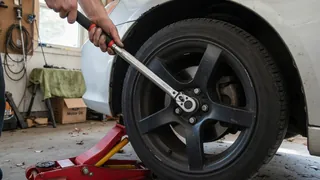
A torque multiplier wrench for car use answers the immediate need to loosen or tighten hardware that exceeds what a standard breaker bar can manage comfortably. The gear train inside multiplies input force so the operator can reach a torque setting without adding a long pipe or jumping on a handle. This advantage is clearest on lug nuts, axle nuts, and suspension bolts that have been exposed to road salt, heat cycling, or previous overtightening, but the wrench still requires a correct socket fit and a stable reaction point.
The purchase decision depends partly on where you plan to brace the reaction arm. On a car, a multiplier may rest against the ground, a nearby wheel stud, or a solid suspension member, so the case must be strong enough for that load path. Tool capacity should comfortably exceed the expected fastener specification rather than match it exactly, because rust and friction can raise breakaway torque well above the nominal value. If the reaction force cannot be safely supported, a longer lever or a powered impact tool may be a more practical choice.