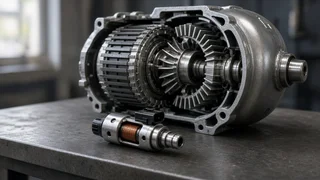
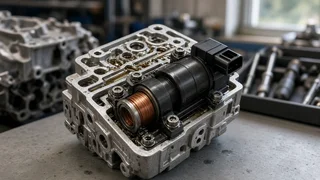
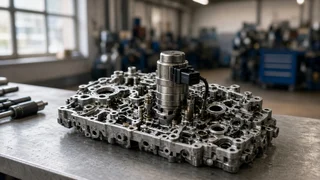
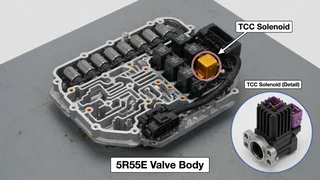
Torque Converter Clutch (TCC) Solenoid
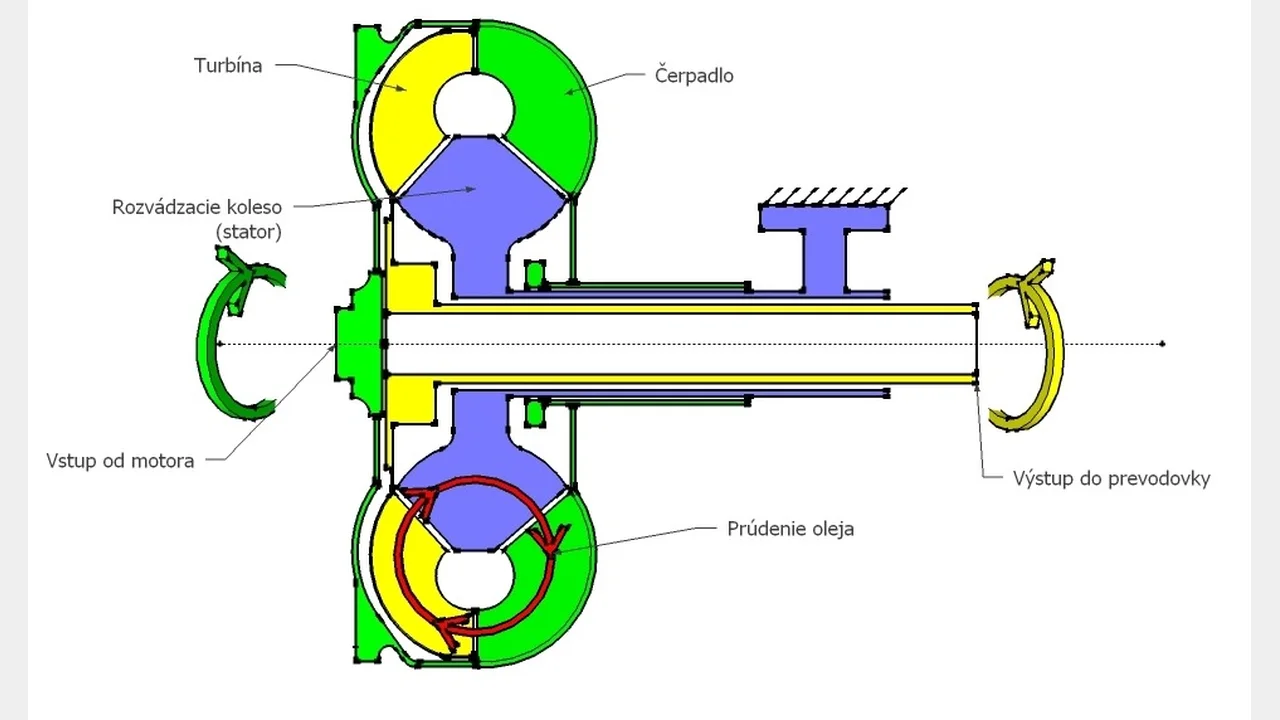
When a vehicle is running at steady highway speed, the torque converter clutch solenoid coordinates a small but important hydraulic event inside the automatic transmission. This solenoid helps the torque converter lock up so the engine and transmission rotate more directly together, reducing slip and heat. Drivers often notice when that control becomes inconsistent because light-throttle cruising feels busier or the tachometer moves in unexpected ways. The following overview explains where this component fits in the hydraulic control system, why its behavior matters to shift feel and fuel consumption, and how the transmission control strategy uses it during ordinary driving.
Essential answer
The automatic transmission torque converter clutch solenoid is an electrohydraulic control device that regulates fluid pressure to the torque converter clutch apply circuit. It is not the clutch lining itself, but the valve body component that the transmission control module uses to begin, hold, or release lockup. When energized or de-energized according to the control strategy, the solenoid allows fluid to move the converter clutch piston, changing whether the torque converter transfers power through fluid coupling alone or through a more direct mechanical connection.
The same part may be described more briefly as an automatic transmission torque converter solenoid, but the clutch function is the defining detail. In many transmissions it is mounted in or near the valve body, so diagnosis involves the wiring, the hydraulic passages, the solenoid’s internal spool, and the surrounding fluid condition. Because the solenoid is only one part of a control chain, its symptoms can resemble a worn torque converter, a sticking valve, or a calibration issue. Confirm vehicle-specific diagnostic codes and live data before replacing the solenoid.