Top-post vs side-post car battery terminals
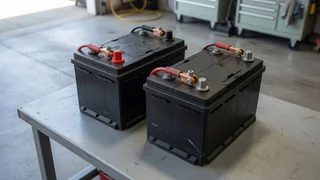
Choosing between a top-post and side-post battery usually starts with what fits the vehicle. The top-post design places lead terminals on the upper case, where they are easy to reach for testing or jumper cables. The side-post style moves the connections into threaded recesses on the battery face, reducing corrosion exposure and keeping the engine bay profile lower. Either arrangement carries the same system voltage, but the terminal shape changes cable routing, service access, and how securely a connection behaves under vibration. The best choice is normally the style the vehicle was built for, especially when the cables and tray are already configured around one terminal pattern.
Direct answer
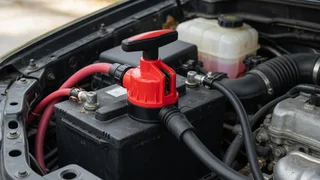
The direct answer is that top-post and side-post battery terminals are not simply interchangeable upgrades. Top-post batteries use exposed cylindrical lead posts that accept clamp-style cable ends, while side-post batteries use threaded holes in the case for bolts that hold the cable lugs against a flat contact pad. Both support normal starting and charging output, but they change how easy it is to inspect the connection, attach battery service equipment, or route cables in a crowded engine bay. Vehicle fitment is the controlling factor unless the owner is willing to modify cable ends and confirm clearance.
A practical comparison starts with the connection surface. The top-post clamp grips a post from the outside, which can make cleaning and tightening straightforward, but it also exposes the joint to moisture and corrosion. Side-post connections sit lower and closer to the battery case, often with less exposed metal, but dirt and road spray can still work into the recess. Because the side terminal uses a threaded fastener, overtightening can strip the soft lead insert or crack the case, while an undertightened top-post clamp can shift and create a voltage drop during cranking.