Too Much Oil Pressure in an Engine: Causes
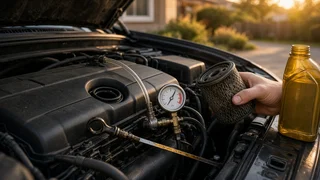
A higher-than-expected oil pressure reading can turn a routine drive into a moment of doubt. The gauge or warning light indicates that the lubricant is not moving through the engine the way the system intended, even though the oil itself may be fresh. “Too much oil pressure in an engine” usually points to restricted flow, cold or thick lubricant, a pressure relief issue, or an electrical measurement fault rather than a single broken component. Interpreting the cause requires separating true mechanical resistance inside the lubrication circuit from misleading signals produced by a sensor or wiring problem.
Essential answer
Excessive oil pressure is not a condition where the oil becomes harmful by itself. It is a symptom that the normal regulated path for lubricant has encountered resistance, or that the measurement system is exaggerating the actual force. In many cases the first practical distinction is between cold-start behavior and a reading that stays high after the engine reaches operating temperature. A brief elevated indication on a cold morning can be expected because oil thickens as its temperature drops, but a persistent high reading during normal driving deserves closer attention.
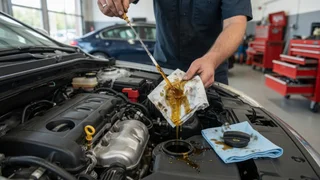
The most common mechanical explanations involve a pressure relief valve that is stuck closed, a blocked oil filter bypass or gallery passage, or a lubricant with an unsuitable viscosity or fill quantity. The level check matters here because overfilling can churn the lubricant into aerated foam, while using a heavier oil than the manufacturer approval specifies can raise resistance. Because the engine’s control system relies on a sensor, any inspection should treat the gauge value as an observation to interpret, not as proof that a particular part has failed.