Tesla Tire Valve Stem Replacement
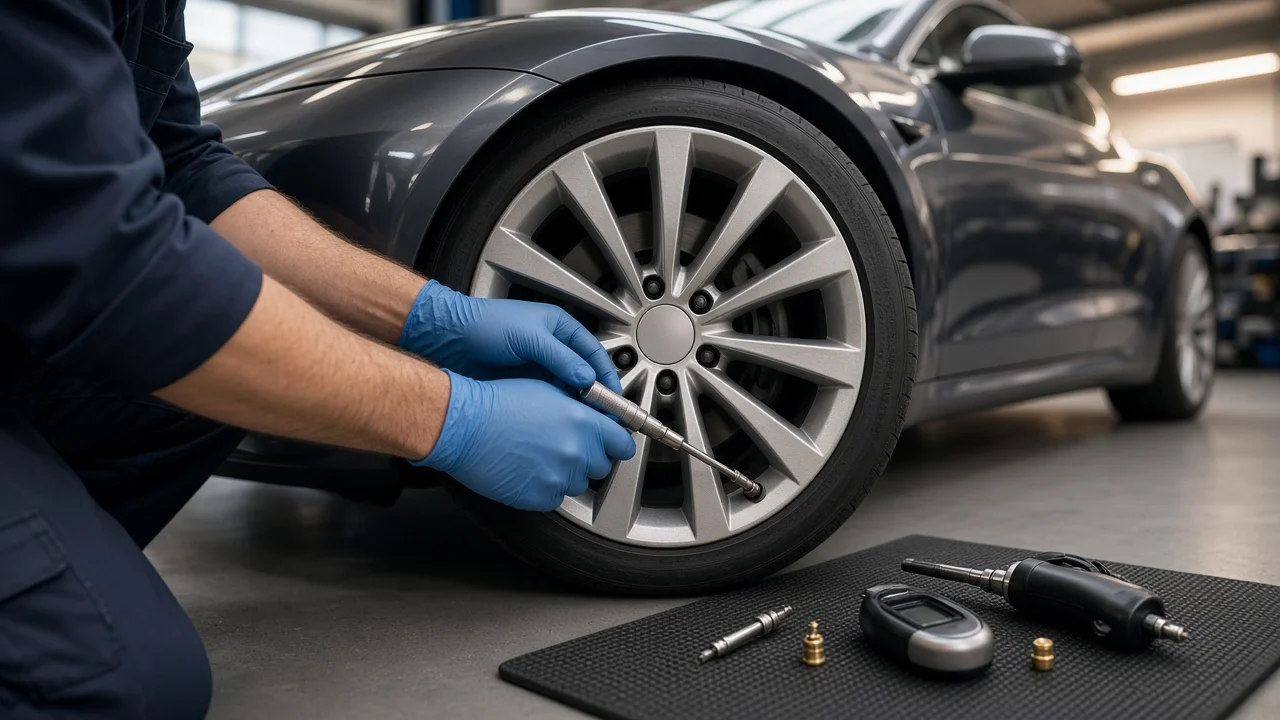
A Tesla tire valve stem replacement addresses the small but important component that controls air entry and sealing at each wheel. Owners typically notice a damaged stem through slow inflation loss, a cracked rubber base, or a faulty Schrader core that no longer holds pressure. Because many Teslas use tire pressure monitoring sensors mounted near the valve, the repair can involve more than swapping basic rubber hardware. Understanding how the stem, sensor, wheel design, and service procedure interact helps owners choose the right replacement approach without guessing at compatibility or skipping a necessary TPMS relearn step.
Essential answer
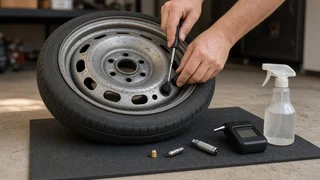
Tesla tire valve stem replacement means removing the worn or leaking valve from the wheel and installing a compatible new stem, often while preserving the existing tire pressure monitoring sensor. On vehicles with a snap-in rubber stem, the sensor may be attached to the base inside the wheel, so the stem and sensor relationship matters. The straightforward goal is to restore a reliable air seal at the inflation point and stop pressure loss at the source rather than repeatedly refilling the tire.
The scope changes when the valve is an aluminum clamp-in style or when the sensor body is integrated with the stem. In those designs, replacing the stem can require a service kit with the correct grommet, nut, core, and cap rather than a universal rubber part. Before buying any component, the wheel should be inspected to confirm whether the stem is a separate service item or part of a sensor assembly, because that distinction determines whether a basic replacement is appropriate or the sensor assembly also needs attention.