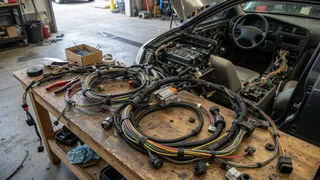
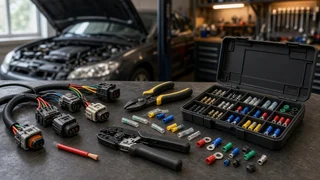
T-One vehicle wiring harness with 7-way connector
Choosing a T-One vehicle wiring harness with a 7-way trailer connector starts with matching the vehicle side of the installation to the trailer functions you actually use. This plug-in style harness is designed to reduce splicing by connecting to factory connectors, but a clean result still depends on system voltage, ground quality, and the condition of the battery terminals. A 7-way layout carries tail, brake, turn, auxiliary power, reverse, and electric brake signals, so voltage drop and fuse rating deserve attention before purchase. Evaluating the vehicle-side connection and the trailer-side pin assignments helps a buyer avoid a harness that fits mechanically but performs poorly under load.
The direct answer
For most towing setups, a T-One vehicle wiring harness with a 7-way trailer connector is the practical choice when the tow vehicle has a compatible factory plug and the trailer requires auxiliary power or electric brakes. The harness bridges the vehicle's original lighting circuits and a standard RV-style outlet, usually without cutting into the factory wire loom. The deciding condition is connector availability: if the vehicle lacks the matching factory port, a universal hardwire kit or an additional vehicle-specific adapter may be needed.
Before buying, confirm the trailer's demand for the 12-volt auxiliary circuit and brake controller signal. Those two functions increase current flow and make clean grounds and adequate wire gauge more important than on a basic four-flat setup. A wiring diagram for the specific vehicle should be used to verify pin positions, because harness color codes and cavity layouts differ between manufacturers. Checking the existing fuse rating and charging output also helps ensure the added circuit will not overburden a marginal system.