Supertech 6607 Oil Filter: What to Check Before You Buy
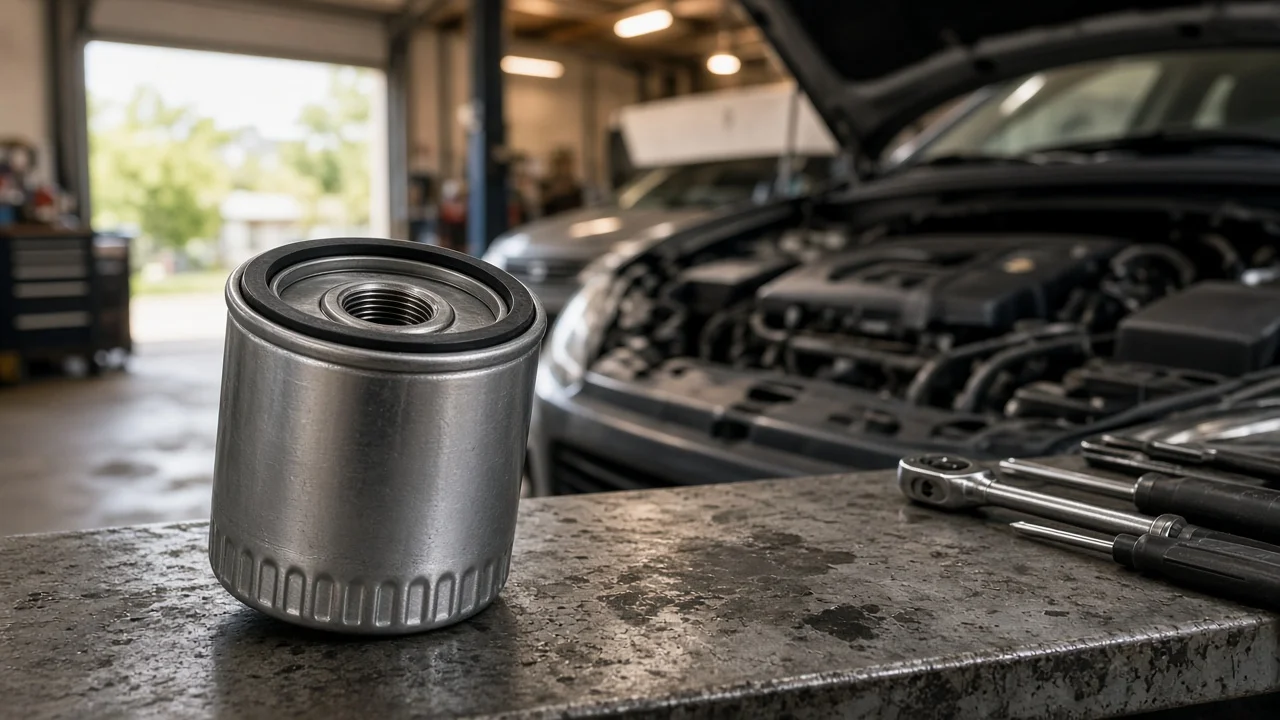
The Supertech 6607 is a spin-on oil filter sold under the Supertech store brand. It may be a sensible choice, but only if the part number is listed for your exact vehicle. The model year, engine and sometimes the market or trim decide fitment, so the same model name across different years or engines can call for different filters. Confirm the 6607 against your specific powertrain before you buy. If it is listed for your engine, the remaining questions are which Supertech filter line to choose and how it fits your oil change schedule.
The Short Answer
Buy the Supertech 6607 only after a fitment lookup by year, make, model and engine returns that part number. Ideally, also check that it cross-references to your original equipment filter. If the lookup shows a different number for your engine, or the listing shows notes such as a production date split or an engine code restriction, resolve that first. A filter that threads on but has the wrong gasket size, valve setup or pressure rating can leak or filter poorly.
How to Confirm the 6607 Fits Your Vehicle
Oil filter fitment is tied to the engine, not just the vehicle name. Two cars with the same badge can use different filters if one has a different engine displacement or a mid-cycle engine update. Use these steps to identify your equipment correctly.
Find your exact engine: check the owner's manual, the emissions label under the hood, or the vehicle registration. Note engine displacement and, if available, the engine code. Run a fitment lookup by year, make, model and engine in the retailer's parts finder, and read any fitment notes, not just the headline result. Compare with the filter currently on the car or with the original equipment part number from the manual or a dealer parts counter. If you have changed the engine, or the vehicle is a gray-market or non-US import, do not rely on standard lookups. Match the filter to the engine actually installed. If two filter numbers appear for the same model, look for the condition that separates them, such as a build date, a trim level or a different engine variant.
Supertech part numbers are widely treated as following the numbering of a similarly numbered filter from another major aftermarket brand. That can make cross-referencing easier. Still, treat a matching number as a lead to confirm, not as proof of fit for your engine.
What to Compare Against Your Original Filter
If you want to check a cross-reference yourself, these are the physical and functional features that matter. Exact values vary by application and are not given here. Compare them against the filter you are replacing or against the published specs for your original part.
Feature | Why it matters; Thread size and pitch | Must match the mounting stud exactly; a near miss can strip threads or leak. Gasket diameter | Must seal fully on the engine's mounting surface; an oversized or undersized gasket can leak under pressure. Bypass valve setting | Lets oil bypass a clogged element; the opening pressure is matched to the engine's oiling system. Anti-drainback valve | Keeps oil in the filter when the engine is off, reducing dry starts; important on filters mounted sideways or upside down. Height and outer diameter | Must clear nearby components such as brackets, exhaust parts or the subframe. Filter line (standard vs. extended) | Determines the media type and the change interval the manufacturer designs it for.
Choosing Between Supertech Filter Lines
Supertech has sold more than one filter line under the same brand, such as a standard filter and a version marketed for synthetic oil or longer intervals. These may use different filter media and carry different interval claims on the packaging. When you shop for the 6607, check which line the listing or box refers to. Then match that line to the way you maintain the car.
If you change oil on a conventional or shorter schedule, a standard filter line is generally aimed at that use. If you run synthetic oil on a longer schedule, choose a filter line rated for that interval, and do not run any filter past the interval printed on its package. If your vehicle has an oil life monitor, follow its prompt, but do not exceed the mileage the filter itself is designed for.
Oil, Fill Quantity and Level Check
A filter change is normally done with an oil change, so the filter choice goes hand in hand with the lubricant specification. Use the oil viscosity grade and performance standard listed in your owner's manual. Some engines also require oil that carries a specific vehicle manufacturer's approval, often shown as an approval code on the bottle. The filter does not change those requirements.
The owner's manual usually lists the oil capacity "with filter." Use that figure as your starting point, and add slightly less than the full amount at first. After filling, run the engine briefly so the new filter fills. Shut it off, wait a few minutes, and do a level check on the dipstick or electronic gauge. Top up gradually to the full mark rather than overfilling.
Installation Points That Prevent Leaks
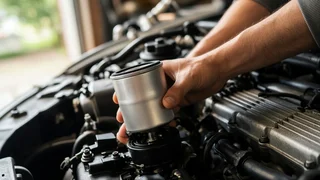
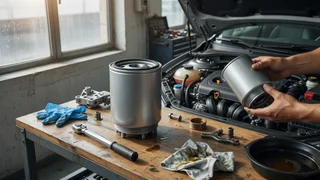
Make sure the old filter's gasket came off with it. A leftover gasket stuck to the mounting surface creates a double gasket that can leak quickly. Wipe the mounting surface clean before installing the new filter. Lightly coat the new gasket with clean engine oil. Tighten according to the instructions printed on the filter or box, which is typically a specified turn past gasket contact by hand. Overtightening makes the next removal difficult and can damage the gasket. After starting the engine, check around the filter for leaks before driving.
Warranty and Manufacturer Approval
In the US, federal law generally prevents a vehicle manufacturer from voiding a warranty simply because you used an aftermarket filter instead of a branded dealer part. Coverage can still be denied if the part is shown to have caused the damage. Keep receipts that record the filter and oil you used, along with the date and mileage of each service, as a record of maintenance. This is especially worthwhile while the vehicle is under its factory or extended warranty.
When to Choose a Different Filter
The fitment lookup lists a different part number for your engine. The filter would not clear surrounding components on your vehicle. Your engine uses a cartridge-style filter element rather than a spin-on canister, in which case a spin-on filter does not apply. You need a filter rated for a longer interval than the version available to you. Your manual or warranty terms call for a specific filter specification that the listing does not clearly meet.
Bottom Line
The Supertech 6607 can be a practical, budget-minded choice when it is listed for your exact year, model and engine and matches your original filter's key features. Confirm fitment first, pick the filter line that suits your oil and service interval, and follow the manual for oil specification and fill quantity. Finish every change with a level check and a quick look for leaks.