Valvoline Oil Filter VO40: What to Check Before You Buy
The short answer: the Valvoline VO40 is a part number in Valvoline's oil filter range, and it is the right choice only if it is listed for your exact vehicle. Fitment depends on model year, market, engine and sometimes trim, so a filter that fits one version of a car may not fit another version with a different powertrain. Confirm the match against your vehicle details or your original filter's part number before buying. If the listing and your vehicle don't line up exactly, treat that as a reason to stop and double-check, not as a near match.
Why the Part Number Alone Isn't Enough
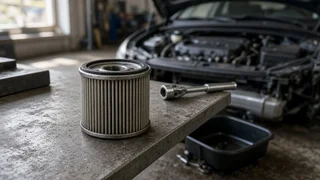
Oil filter part numbers identify a specific combination of physical dimensions and internal features. Two filters can look almost identical on a shelf and still differ in thread size, gasket diameter or internal valve settings. Vehicles also change over a model run: a manufacturer may switch engines, revise the filter housing or move from a spin-on canister to a cartridge element in a housing. That is why fitment should always be tied to the full vehicle description rather than to the model name alone.
How to Confirm the VO40 Fits Your Vehicle
Identify your vehicle precisely: model year, make, model, engine size and type, and trim. This equipment identification step matters most when a model was sold with more than one engine. Check the market. A vehicle sold in the US can use different components from a similarly named vehicle sold elsewhere. Use a fitment lookup from the seller or Valvoline's own application listings, and enter the full vehicle details rather than just the model. Cross-reference the part number of the filter currently on your engine or the original-equipment filter number listed for your vehicle. A reliable cross-reference should point to the same specification. Compare the new filter with the old one when you have it in hand: thread, gasket size and overall shape should match.
If different lookup sources disagree, or a listing covers your model but not your engine, resolve the difference before installation. A filter that threads on but seals poorly or has the wrong internal valving can cause oil leaks or lubrication problems.
Filter Features Worth Understanding
When comparing the VO40 with alternatives, a few internal and external features determine whether a filter is truly equivalent to the one your engine was designed around.
Feature | What it does | Why it matters for fitment; Thread size and pitch | Secures a spin-on filter to the engine's mounting stud | Must match exactly; a near match can damage threads or leak; Gasket diameter | Seals the filter against the mounting surface | Too large or too small can cause oil leaks; Bypass (relief) valve | Lets oil flow around the filter media if the filter is clogged or oil is very thick | The opening setting should suit the engine's design; Anti-drain-back valve | Helps keep oil in the filter when the engine is off, reducing dry starts | Especially relevant when the filter is mounted sideways or upside down; Filter media | Traps contaminants as oil passes through | Affects filtration performance and how well it suits longer intervals; Overall size | Determines physical clearance around the filter | A larger filter may not fit in tight engine bays
Manufacturers publish some of these details and not others. If a specific figure isn't stated in the product listing or packaging, rely on a confirmed fitment match rather than assumptions about what's inside.
Matching the Filter to Your Service Interval
Oil filters are generally designed to be changed with every oil change. If you follow an extended service interval, check that the filter you choose is intended for that interval, because some filter lines are marketed for standard intervals and others for longer ones. Your owner's manual sets the interval for your vehicle, and severe-use conditions such as frequent short trips, towing, dusty roads or extreme temperatures often call for shorter intervals.
What Else to Check at the Same Oil Change
The filter is only one part of the job. Getting the oil itself right matters just as much.
Lubricant specification: use the viscosity grade and performance standard listed in your owner's manual or on the oil filler cap. Manufacturer approval: some engines, particularly certain European and diesel engines, require oil that carries a specific automaker approval code, not just a general industry rating. Fill quantity: use the capacity listed for your engine with a filter change, since the figure without a filter change is usually slightly lower. Level check: after filling, run the engine briefly, check for leaks around the filter, shut off, wait a few minutes, and confirm the level on the dipstick or electronic gauge.
Installation Basics
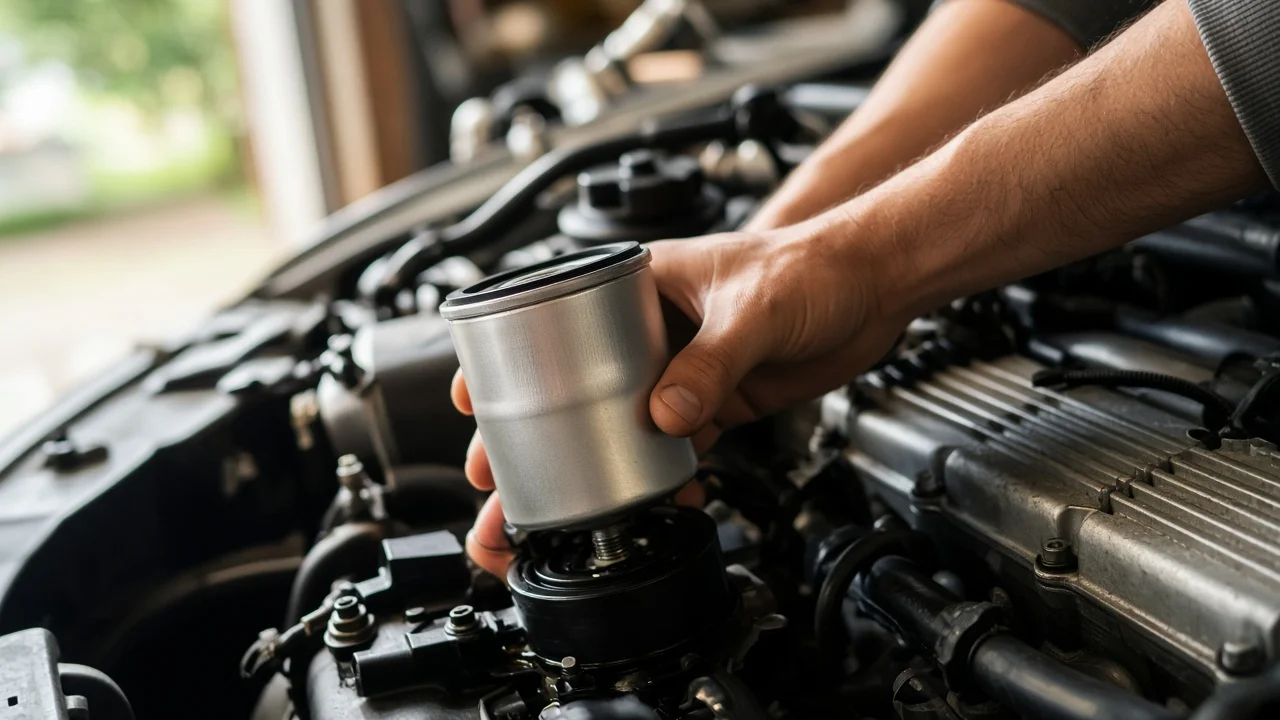
Before fitting a spin-on filter, make sure the old gasket came off with the old filter; a doubled gasket is a common cause of sudden leaks. Lightly coat the new gasket with clean engine oil, thread the filter on by hand until the gasket contacts the mounting surface, then tighten according to the instructions printed on the filter or its packaging. Overtightening can make the next removal difficult and can distort the gasket.
The Bottom Line
Buy the Valvoline VO40 when a fitment lookup or cross-reference confirms it for your exact year, engine and market, and when it physically matches the filter you're replacing. If anything doesn't match, check the filter listed for your specific powertrain instead. Pair the filter with oil that meets your engine's specification and the correct fill quantity, and finish with a leak and level check.