Valvoline oil filter V040
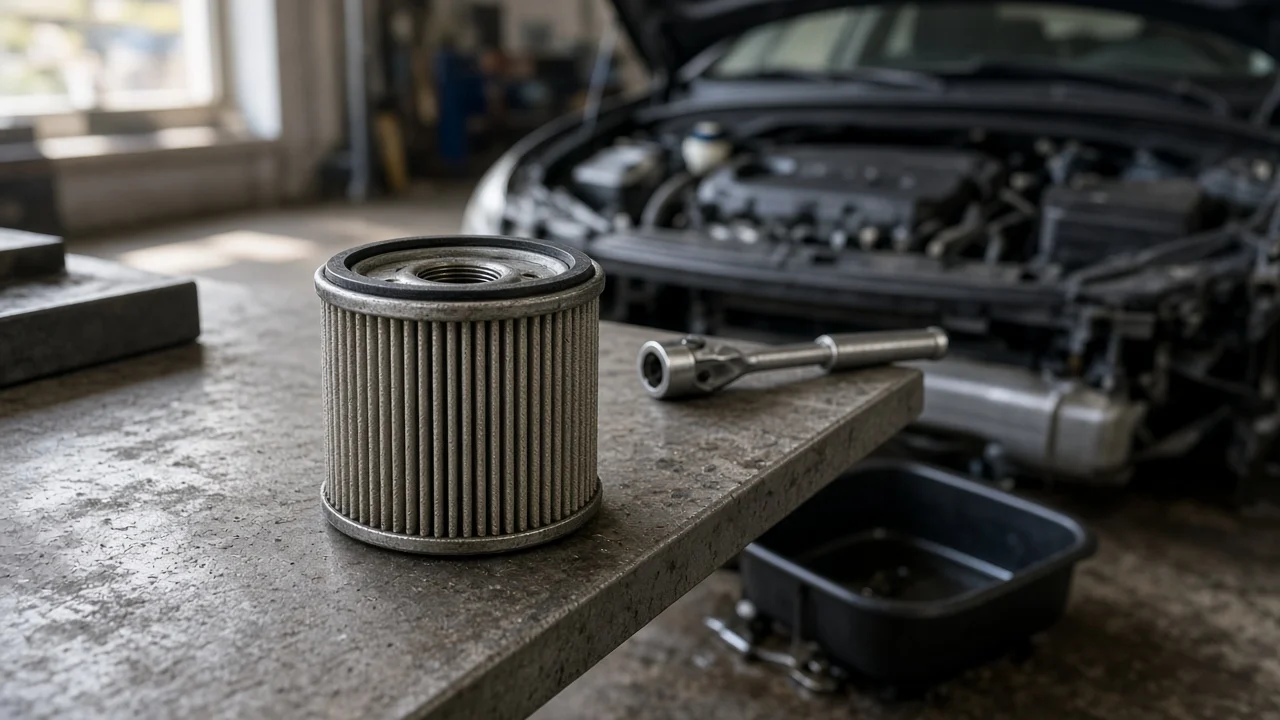
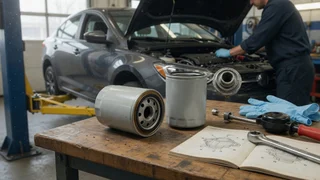
When a parts catalog lists the Valvoline oil filter V040, the immediate question is whether it belongs on a specific vehicle and what that choice means for oil-system protection. Several variables matter before purchase: the engine’s lubricant specification, the filter’s application match, the oil fill quantity, and whether the canister will be changed at an appropriate service interval. Because manufacturer approval can affect warranty expectations and filtration behavior depends on the vehicle’s oiling system, this guide explains how to evaluate the V040 without assuming that a catalog listing alone confirms suitability for every application.
The direct answer
The Valvoline oil filter V040 is best understood through verified application data for the intended vehicle. Without confirmed subject evidence, the correct direct answer is conditional: use the V040 only when a current parts lookup for the specific year, make, model, and engine returns the V040 as an approved reference. The same filter number may not fit engines with different threads, gasket diameters, bypass settings, or mounting clearances, so a physical match to the old filter is not automatically proof of correct filtration performance.
Buyers should distinguish a catalog cross-reference from a manufacturer approval. A cross-reference can suggest interchangeability, but vehicle-specific confirmation remains important because canister height, anti-drainback valve design, and bypass pressure are matched to the oiling system. Before purchase, check the application through the Valvoline catalog or a retailer’s fitment tool, and compare the removed filter’s gasket position and thread. A level check after the oil service also helps confirm the fill quantity and that the new filter seals cleanly at the mounting base.