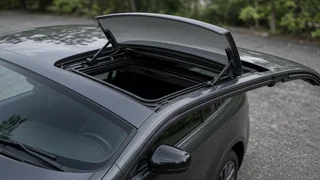
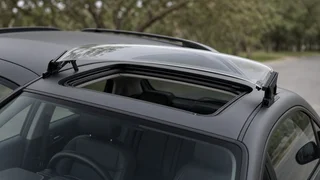
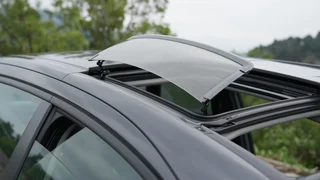
Sunroof Wind Deflector

A sunroof wind deflector changes how air moves over the roof opening, reducing buffeting and harsh wind noise inside the cabin. When you research a wind deflector for sunroof use, the purchase decision usually comes down to fitment, attachment method, and how the deflector interacts with the panel’s opening movement. For many cars the accessory is model-specific, so the correct shape and mounting clips matter more than universal sizing claims. The goal is a quieter, more comfortable open-roof drive without interfering with closing, sealing, or roof clearance.
The direct answer
The direct answer is that a correctly fitted sunroof wind deflector reduces the low-frequency pressure pulses and wind rush created when air shears across the open roof aperture. It works by redirecting airflow slightly above the leading edge, which changes the vortex pattern that would otherwise drum against the cabin. The benefit is most noticeable at moderate road speeds with the glass fully open, though the improvement depends on vehicle shape, sunroof position, and how far the deflector extends into the slipstream.
A wind deflector for sunroof installations is not a universal noise eliminator. If the panel is tilted rather than fully retracted, the deflector has less effect because different opening geometry dominates the noise. The accessory also adds height at the front roof edge, so roof clearance and garage entry paths should be checked. Before purchase, confirm that the deflector matches the year and roof design, and that its mounting clips or adhesive footprint fit the attachment surface without blocking the sunroof’s opening movement or interfering with the glass seal.