What Does a Sunroof Wind Deflector Do

A sunroof wind deflector is a small aerodynamic shield mounted near the front edge of an open sunroof panel. Its purpose is to reshape the airflow moving over the roof opening before it drops into the cabin. That reshaping reduces buffeting, lowers wind noise, and makes open-roof driving more comfortable at speed. Understanding the part helps owners diagnose rattles, whistles, or excess turbulence, and decide whether a deflector is missing, damaged, or simply not suited to their driving habits.
Meaning
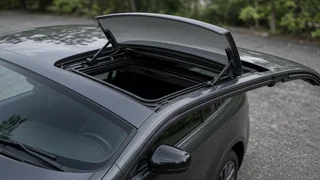
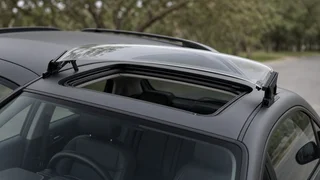
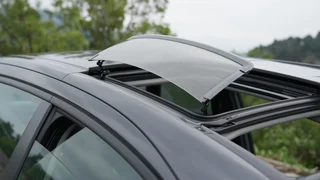
In an automotive context, a sunroof wind deflector is a low-profile barrier positioned ahead of the sunroof aperture. When the glass panel slides rearward, the deflector rises on springs or fixed mounting clips. Its job is to influence the air path across the roof opening. Without it, air can roll over the leading edge of the opening and strike the rear rim in a pulsing pattern that many drivers feel as cabin pressure fluctuation.
The deflector is not a weather seal and does not keep the sunroof watertight by itself. Its purpose is aerodynamic rather than structural sealing. Some factory sunroofs integrate a deflector that retracts with the opening movement; aftermarket units may attach to the roof or the panel frame. Either style seeks the same result: smoother air transition over the opening and less turbulence entering the passenger compartment.
How it works
When the vehicle moves, air flows across the roof as a relatively smooth stream of high-speed surface wind. As the sunroof opens, the leading edge becomes a step in that surface. The deflector lifts slightly and redirects the attachment surface layer upward so it passes over the gap instead of curling down into it. That keeps the airflow attached to the roof longer and reduces the size of the turbulent region inside the opening.
The practical effect becomes clear at moderate highway speeds. A sunroof without a functioning deflector can produce a strong low-frequency throb as air pulses in and out of the cabin like blowing across a bottle opening. Raising or extending the deflector changes that resonance. Because the part depends on roof clearance and clean attachment surfaces, a loose clip or a bent blade can noticeably reduce its ability to control wind noise.
Key differences
Factory deflectors are often designed to sit nearly flush at rest and extend only during the opening movement. Many aftermarket deflectors stay at a fixed height above the roof. The two styles trade off appearance, installation simplicity, and aerodynamic performance. A flush factory unit tends to look cleaner and create less drag when closed, while a fixed aftermarket blade may be more effective at some speeds but can whistle or vibrate if it is not attached evenly.
A deflector also differs from a sunroof visor or an air extractor. A visor usually sits further forward or is integrated into the roof, while an extractor vents cabin air through a rear opening and does not control the front air path. Mounting clips matter because they determine how rigid the blade stays under load. If the clips flex, the deflector can flutter and create more noise than it prevents.
Understanding a problem
A sudden increase in wind noise after the sunroof has been opened may point to a deflector that is not returning to its raised position. Debris, worn springs, or a damaged mounting clip can hold the blade flat. The result is not proof of a broken mechanism, but it is evidence that the air path across the opening has changed. Owners can check whether the deflector moves smoothly with the opening movement and sits evenly on both sides.
A whistle at speed is a different symptom from the low buffeting throb. Whistles often come from a narrow air gap around the deflector or an uneven attachment surface that creates a sharp edge. Rattling at road speed suggests the clips or pivot points are loose. Stop-and-inspect checks are safest when the vehicle is parked; removing the deflector while driving or attempting repairs in traffic creates unnecessary risk and can damage the roof surface.