Subaru Tire Valve Stem
A Subaru tire valve stem is the small service fitting that seals each wheel and lets you check or adjust inflation pressure. On most modern Subaru models, the valve stem is also part of the tire pressure monitoring sensor assembly, so the metal or rubber component does more than hold air. Understanding how the stem works helps you spot slow leaks, interpret low-pressure warnings, and decide whether a replacement can match the existing wheel and tire size without disturbing the drivetrain compatibility that makes all-wheel-drive Subarus sensitive to uneven tire wear.
Essential answer
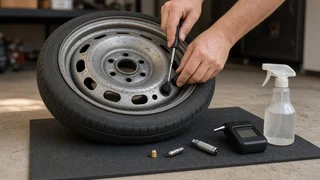
A tire valve stem is the inflation port mounted through the wheel. It contains a spring-loaded core that opens when a gauge or air chuck presses the center pin and closes to seal pressure afterward. On a Subaru, the stem may be a snap-in rubber design or a metal clamp-in design, often selected according to wheel type and sensor mounting. It works with the valve cap to keep road debris and moisture out of the core and should remain matched to the wheel and the inflation range shown on the vehicle placard.
When a Subaru tire loses a few psi over several days, the valve stem is one possible leak path alongside the tire bead, tread puncture, or wheel corrosion. A cracked rubber base, loose core, or damaged sealing gasket can release air slowly enough that tread depth and handling seem unaffected at first, yet the pressure warning eventually appears. Because Subaru all-wheel-drive systems prefer closely matched tire diameters, identifying and correcting even a small stem leak early helps avoid loading the drivetrain with a persistently underinflated tire.