StabiliTrak with Trailer Sway Control
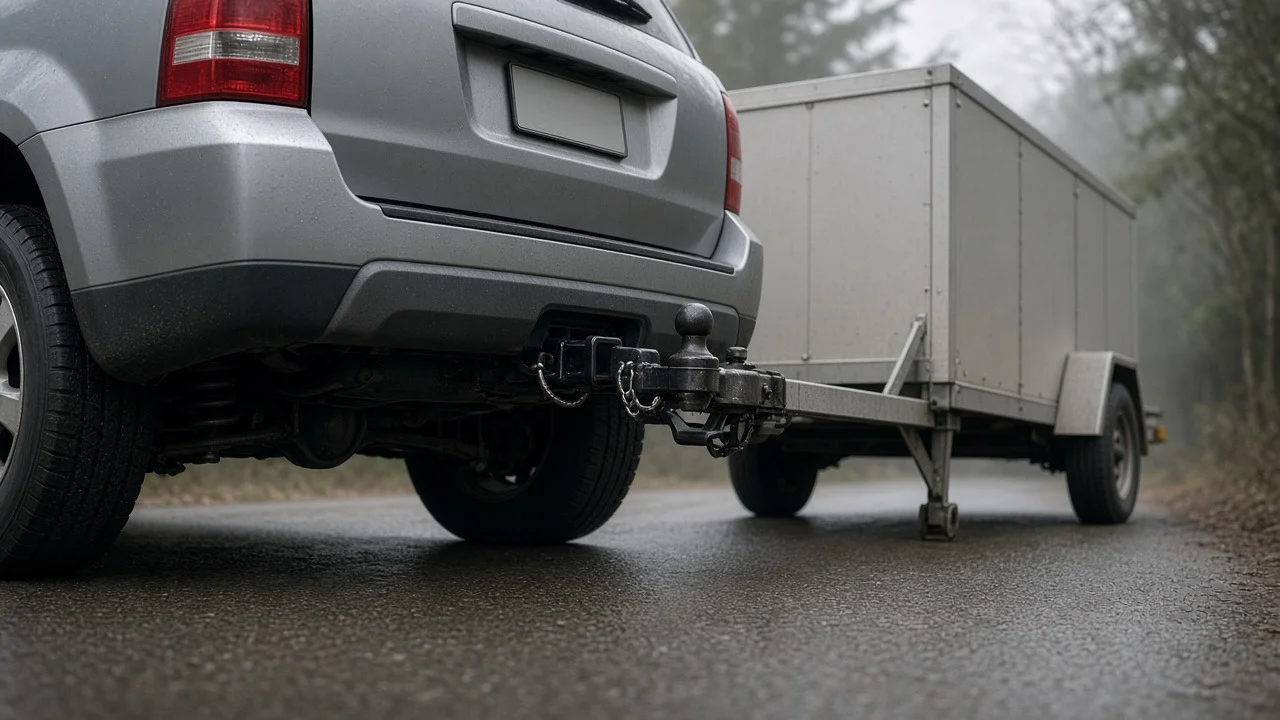
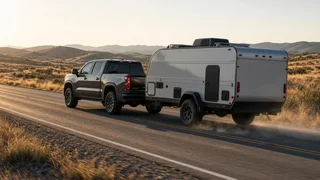
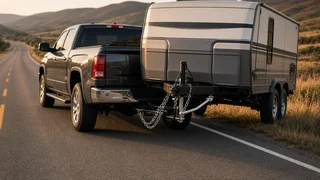
StabiliTrak with Trailer Sway Control is a General Motors stability system that expands electronic stability control to cover the demands of towing. It uses the vehicle’s existing brake, steering, and yaw sensors to detect the side-to-side motion of a trailer and apply corrective braking when that motion begins to destabilize the truck or SUV. Understanding how this feature interacts with payload, tongue weight, gross vehicle weight rating, axle rating, and combined weight rating helps a driver see why towing configuration still matters even when the system is active.
Essential answer
StabiliTrak with Trailer Sway Control is best understood as an extension of the stability control already built into many General Motors trucks and SUVs. During normal driving, the system monitors steering angle, yaw rate, wheel speed, and lateral acceleration. When the driver tows, the software adds trailer-specific logic. It cannot directly steer the trailer, but it can detect a repeating side-to-side oscillation and respond through selective brake application and, when appropriate, reduced engine torque. That intervention changes the forces at the hitch before the oscillation grows into a dangerous sway event.
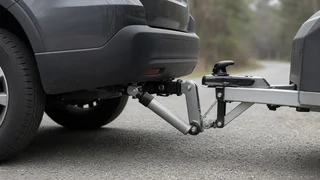
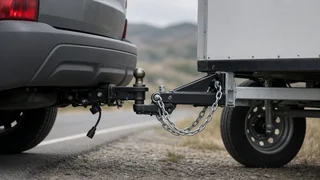
The system is an assist, not a substitute for a sound towing setup. Trailer sway usually begins because the trailer is improperly loaded, the hitch setup is wrong, or the combination is pushed beyond its rated limits. Stabilizing the motion with brakes is a response to an existing problem, not a correction of the root cause. For that reason, the essential answer includes a qualification: the feature provides an important safety layer during sway, but it does not change the underlying vehicle ratings, trailer balance, or the need to load within the tongue weight and combined weight rating limits.