SSBC Brakes: What to Check Before You Buy a Kit or Component
The Short Answer
SSBC is a US aftermarket brake brand best known for drum-to-disc conversion kits, power brake booster setups, upgraded calipers and rotors, and related hydraulic parts. Its catalog leans heavily toward classic cars, older trucks, muscle cars and modified vehicles. If you own one of those vehicles and want to modernize or upgrade the braking system, SSBC parts are worth a close look. If you drive a recent daily driver and only need routine pads and rotors, a standard OE-equivalent replacement is usually the simpler choice.
The condition that changes this answer most is fitment. Brake kits are built around specific spindles, axles, wheel sizes and master cylinder arrangements, so a kit that suits one model year or trim may not suit another with the same name. Confirm the exact application for your vehicle before treating any kit as a bolt-on.
What SSBC Is Known For
The name stands for Stainless Steel Brakes Corporation. The brand's reputation rests mainly on complete brake system packages rather than single replacement parts, although individual components are also sold. Typical product categories include:
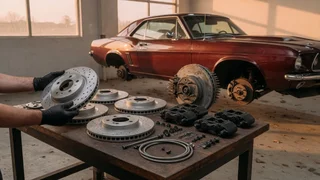
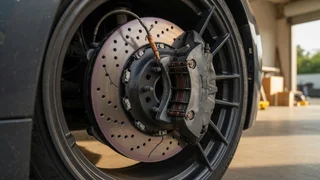
Drum-to-disc conversion kits for front and sometimes rear axles on older vehicles; Vacuum power brake booster and master cylinder combinations, including conversions from manual to power brakes; Hydraulic assist alternatives for applications where engine vacuum is limited; Upgraded calipers, often multi-piston designs, paired with larger rotors; Braided stainless steel brake hoses; Proportioning valves, residual pressure valves and other plumbing components; Replacement pads, rotors and hardware for SSBC systems
Exact contents, part numbers and available applications change over time, so check the current listing for the specific kit rather than relying on what a similar kit included in the past.
Who Gets the Most From SSBC Brakes
SSBC parts make the most sense when you are changing how the braking system works, not just restoring it. Common examples include converting a classic car from four-wheel drums to front discs, adding power assist to a vehicle that came with manual brakes, fitting larger brakes after increasing engine power or vehicle weight, or upgrading a truck that tows or hauls more than its original brakes were designed for.
For a concours-style restoration where originality matters, a conversion kit may work against your goal. In that case, rebuilding or replacing the factory components with correct-style parts is usually the better path.
Fitment Checks Before Ordering
Most brake kit problems come from assuming compatibility. Model names often cover several generations, and manufacturers changed spindles, axles and brake hardware between years and trims. Work through these points with your actual vehicle in front of you:
Model year, body style, trim and drivetrain: two-wheel drive and four-wheel drive versions of the same truck often use different front ends; Spindle type: factory drum spindles, disc spindles and aftermarket drop spindles may each need a different kit; Rear axle type and housing flange pattern if you are converting the rear brakes; Wheel bolt pattern and hub style; Minimum wheel diameter and inner barrel clearance for the caliper and rotor; Any suspension modifications, such as lowering, lifting or replaced control arms; Whether the vehicle has already been partly converted by a previous owner
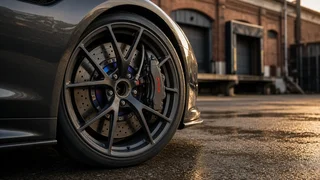
Wheel clearance deserves particular attention. Larger rotors and multi-piston calipers can contact the wheel spokes or inner barrel even when the diameter looks sufficient. If you plan to keep original or small-diameter wheels, confirm the kit's stated wheel requirement before buying.
Hydraulic System Considerations
Changing calipers or converting drums to discs alters how much fluid the system moves and how braking force is split between front and rear. A conversion that ignores the hydraulics can feel spongy, lock the rear wheels early or require excessive pedal effort.
Master Cylinder
Disc brakes generally need more fluid volume than drums, and the master cylinder bore size affects pedal travel and effort. Many older vehicles also have single-circuit master cylinders, which offer no backup if one line fails. Check whether the kit includes a master cylinder, or whether your existing one is suitable for the new setup. Upgrading to a dual-circuit unit is a common part of a classic conversion.
Proportioning and Residual Pressure Valves
A proportioning valve limits rear brake pressure so the rear wheels do not lock before the fronts. When you mix front discs with rear drums, an adjustable or correctly matched valve is usually needed. Residual pressure valves keep a small amount of pressure in a circuit; drum circuits often use them, while disc circuits typically use a much lower value or none, depending on master cylinder mounting height. Leftover valves from the original drum setup can cause disc brakes to drag.
Power Assist
Vacuum boosters depend on engine vacuum. Engines with aggressive camshafts may produce too little vacuum for reliable assist, which can lead to a hard pedal. If that applies to your vehicle, look at a vacuum reservoir, an auxiliary vacuum pump or a hydraulic assist system. Booster diameter also matters for firewall and engine bay clearance.
Lines, Fittings and Fluid
Confirm which hoses, hard lines and adapters come with the kit. Fitting thread types differ between vehicles and parts, and mismatched flares are a common source of leaks. Use the brake fluid type specified for the system, and do not mix silicone-based DOT 5 with glycol-based DOT 3, DOT 4 or DOT 5.1. If you are changing fluid types, the system should be fully flushed first.
Kit Completeness and Hidden Costs
Two kits that look similar can differ a lot in what is in the box. Before comparing prices, list what each one includes and what you would still need to buy. Items that are sometimes extra include:
Master cylinder, booster or brackets; Proportioning valve and mounting hardware; Hard brake lines, adapters or a line kit; New wheel bearings and seals; Parking brake cables or brackets for rear conversions; Brake fluid; Different wheels if the originals will not clear
A cheaper kit that leaves out the hydraulics can end up costing more once you add the missing parts.
Choosing Between Common Upgrade Paths
Upgrade path | Best suited to | Main things to check; Front drum-to-disc conversion | Classic cars and older trucks still on four-wheel drums | Spindle type, wheel clearance, master cylinder, proportioning valve; Four-wheel disc conversion | Vehicles with front discs already, or full modernization projects | Rear axle flange, parking brake arrangement, front-to-rear balance; Manual-to-power booster swap | Vehicles with high pedal effort | Engine vacuum, firewall and pedal geometry, booster clearance; Big brake kit | Modified, heavier or tow vehicles | Wheel size, caliper clearance, pad availability; Component replacement | Vehicles already running SSBC parts | Exact part numbers of the installed system
Installation: DIY or Shop
A straightforward kit on a well-documented vehicle is within reach for an experienced home mechanic with proper tools, including a flare tool, torque wrench and a reliable bleeding method. Conversions that involve new hard lines, valve setup or pedal geometry changes are more demanding. Because brakes are safety-critical, have the work checked or done by a qualified technician if you are unsure about any step.
After installation, bleed the system thoroughly, confirm the pedal is firm and does not sink, check for leaks at every fitting, and bed in the pads according to the supplied instructions before relying on the brakes in normal driving.
Ownership Trade-offs
A conversion or upgrade can improve stopping consistency, heat handling and pedal feel compared with tired original drums. The trade-off is that you move away from parts any local store keeps on the shelf. Before buying, consider:
Replacement pad and rotor availability for the specific caliper and rotor used; Whether the caliper design can be rebuilt and seal kits are sold; How the change affects originality and resale for collectible vehicles; Whether future wheel choices will be limited by caliper size; Record-keeping: note the kit and part numbers so you can order matching replacements later
Quick Buying Checklist
Confirm the kit lists your exact year, model, trim and drivetrain; Identify your spindle and axle type; Check the wheel clearance requirement against your wheels; Decide whether the master cylinder, booster and valves need changing; Compare what each kit includes, not just the headline price; Check pad and rotor replacement availability; Plan who will install and bleed the system; Keep part numbers for future service
If your vehicle checks out on these points, an SSBC kit can be a sensible way to modernize or strengthen your braking system. If several answers are uncertain, contact the seller's technical support with your vehicle details before ordering, as that is usually quicker and cheaper than returning a kit that does not fit.