Spicer Dana 44 Locking Hub Fitment: How to Match the Right Hubs
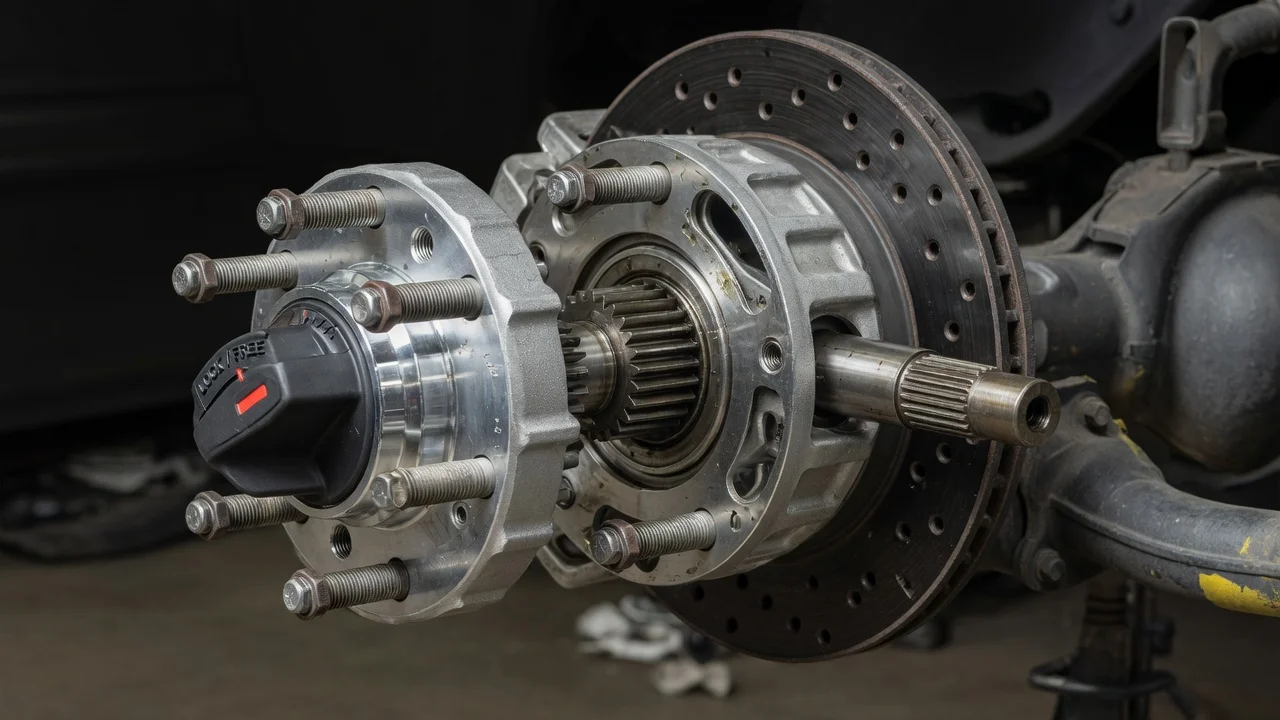
Shopping for Spicer locking hubs for a Dana 44 front axle sounds simple until you find that the axle name alone does not settle fitment. Dana 44 front axles were installed under trucks and SUVs from several manufacturers over many years, and the parts that meet the hub changed along the way. This guide explains what actually decides fit, how to confirm it on your own vehicle and when to get help.
The short answer on Dana 44 hub fitment
A Spicer locking hub fits a Dana 44 front axle only when the hub is made for that specific axle application, not for Dana 44 axles in general. A correct match depends on your vehicle configuration: make, model and year, the axle version, the spline count on the outer axle shaft, and the way the hub body mounts to the wheel hub. When those details line up with the hub's listed application, it should install as a direct replacement. When any one of them differs, the hub may not seat fully, may not engage the shaft splines, or may not bolt up at all.
So the practical answer is that you should start the buying decision with your vehicle and axle details rather than the axle model number. A listing that says only Dana 44 is a starting point, not confirmation. Match the hub to your truck's documented application and to what you can physically verify on the axle, and the fitment question becomes straightforward.
How a locking hub works on a Dana 44
On a part-time four-wheel-drive vehicle, the front axle shafts only need to drive the wheels when four-wheel drive is in use. Locking hubs are the connection point. When the hubs are unlocked, the front wheels turn on their bearings without spinning the axle shafts, differential and front driveshaft, which reduces drag and wear during two-wheel-drive driving. When the hubs are locked, the front wheels are tied to the axle shafts so engine power can reach them once the transfer case is in four-wheel drive.
In a manual hub, turning the dial moves an internal clutch ring that slides into engagement with the splines on the outer end of the axle shaft, while the hub body itself is locked to the wheel hub. Automatic hubs perform the same connection without a dial, engaging when the axle starts driving. Because the locking hub bridges two components, it has to match both: its inner gear must fit the shaft splines, and its body must fit the wheel hub's mounting pattern and internal shape. That is why fitment is application-specific.
What changes the fitment answer
The biggest variable is which vehicle the Dana 44 came from. Ford, General Motors, Jeep, International and Dodge all used Dana 44 front axles, and designs ranged from conventional solid axles to Ford's twin-traction-beam layout. Across those applications and production years, the outer shaft spline count, wheel hub design, hub fastener count and spindle hardware were not uniform. Two axles that both carry a Dana 44 tag can therefore need different locking hubs.
Factory equipment matters too. Some vehicles left the factory with automatic hubs, and converting to manual hubs may require different spindle nuts or locking hardware depending on the design. Full-time four-wheel-drive versions commonly used drive flanges instead of hubs, so adding locking hubs there is a conversion involving more than a simple swap. Previous modifications also change the answer: an axle swapped in from another vehicle, aftermarket axle shafts with a different spline count, or earlier hub upgrades all mean the original vehicle listing may no longer apply.
Operating conditions do not change whether a hub physically fits, but they can influence which hub you choose. Larger tires, frequent off-road use or a front locker place more load on the hub, so owners in those situations often weigh heavier-duty options. That choice should still begin with a hub that matches the axle's splines and mounting.
How to confirm fit before you buy
Start with documentation. Look for the axle identification tag, usually found on the housing or differential cover bolts, and note the vehicle's VIN, model year and build details. Review the service history for any record of axle, shaft or hub replacement, since that tells you whether the original application can still be trusted. If the old hubs carry a brand name or part number, record it as a cross-reference, but verify it rather than assuming it was correct.
Then confirm physically. With the vehicle safely supported and following the service procedure for your axle, remove the existing hub cover or hub and inspect what is underneath. Count the splines on the outer end of the axle shaft, count the fasteners that hold the hub to the wheel hub and note whether they are bolts or studs, and note whether the current hub is manual or automatic. Compare those observations with the replacement hub's listed application and any specifications the seller provides. If the numbers disagree with the listing, trust what is on the axle.
Use the opportunity for a quick inspection. Worn or twisted shaft splines, a cracked hub body, rough or loose wheel bearings, contaminated grease and damaged seals should be addressed, because a new hub will not cure a worn shaft or failing bearing. After installation, tighten fasteners to the manufacturer specifications for your axle. With the front raised and the transfer case in two-wheel drive, the wheel should turn without moving the axle shaft when the hub is unlocked and should turn the shaft when it is locked; check both hubs.
Limitations and when to get help
No general guide can confirm fit for your specific truck without its details. Mid-production changes, regional differences and undocumented modifications all create exceptions, and product listings are occasionally incomplete or wrong. There is also no universal service interval for locking hubs; follow the maintenance schedule in the owner's manual or service manual for your vehicle, and inspect sooner after water crossings, mud or other demanding operating conditions.
Get professional help if you are not familiar with the spindle nut and wheel bearing adjustment procedure for your axle, if the hubs bind, grind or fail to engage after installation, or if the axle's origin is unknown. A shop with four-wheel-drive experience can identify the axle, measure what is actually installed and confirm the correct parts. Before ordering, gather your VIN, axle tag information, shaft spline count and hub fastener count, so the Spicer locking hubs you choose match the Dana 44 you actually have.