WARN Locking Hubs for Dana 60: How to Confirm Fitment
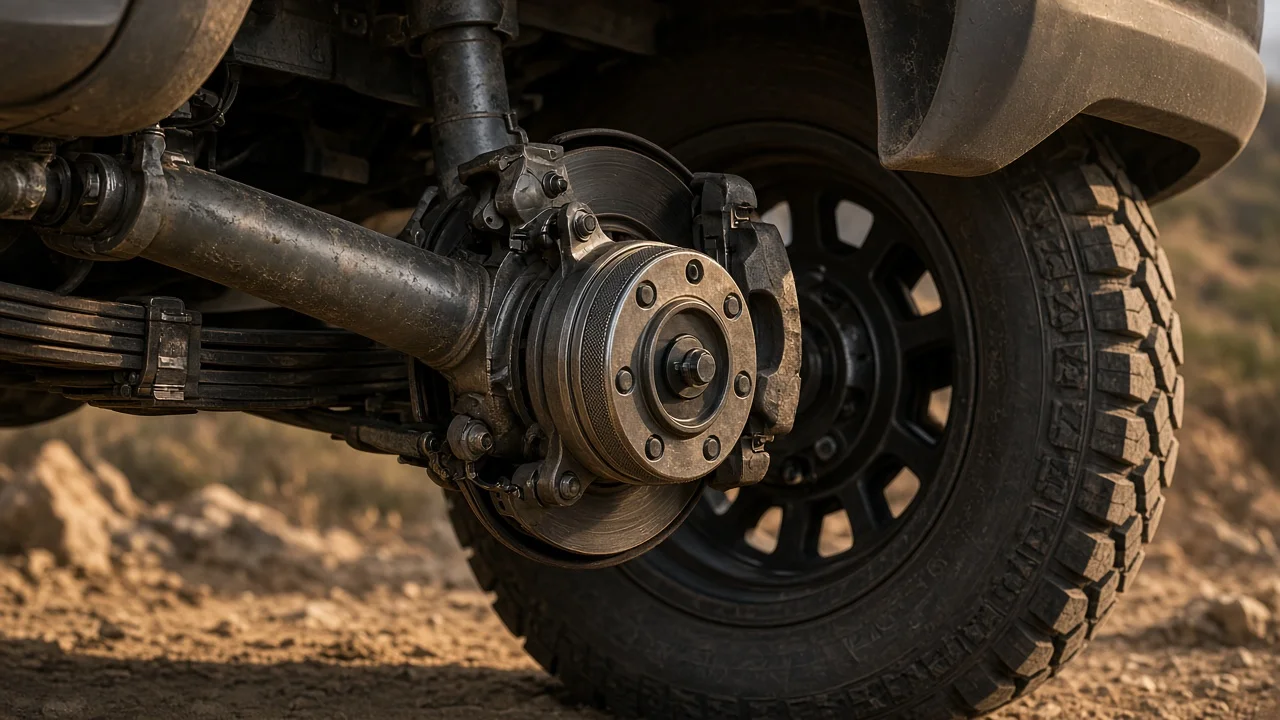
WARN locking hubs are a popular choice for Dana 60 front axles, but the name cast on the housing does not guarantee that a particular hub will fit. Dana 60 fronts were built in several versions for different trucks, and many have been swapped or upgraded since. A hub has to match the axle shaft splines, the wheel hub and the way the spindle and bearings are arranged. This guide covers what to confirm before buying and installing a set.
Do WARN hubs fit a Dana 60?
In many cases, yes. WARN offers manual locking hubs intended for Dana 60 front axles, but those hubs are listed by spline count and application rather than by axle name alone. The two questions that decide fitment are how many splines the outer stub shaft has and whether the axle uses a conventional removable hub and spindle at all. A hub built for one spline count will not engage a shaft with another, and a Dana 60 that uses sealed unit bearings has no place to bolt a traditional locking hub without a larger conversion.
So the honest answer is conditional: WARN Dana 60 locking hubs fit axles whose confirmed vehicle configuration matches the application listed in the current WARN catalog or the instructions supplied with the hub. Matching the truck's year and model is a starting point, not proof, because the axle under the truck may not be the one it left the factory with.
How a locking hub works on a Dana 60
On a part-time four-wheel-drive truck, the front wheels keep turning in two-wheel drive even though the front axle is not driving them. With the hubs unlocked, each wheel hub spins on its bearings while the axle shaft, differential and front driveshaft can stay still. That reduces drag and wear on front driveline parts during normal road driving.
The locking hub bolts to the face of the wheel hub, and its internal drive gear rides on the splines at the end of the stub shaft. Turning the dial to the lock position moves a clutch ring that connects those splines to the hub body, so the axle shaft and wheel turn together. Unlocking separates them again. With manual hubs, the driver selects both the hub position at each wheel and four-wheel drive at the transfer case; locking the hubs alone does not send power to the front axle.
What changes the fitment answer
Spline count is the first variable. Dana 60 front stub shafts are commonly found with 30 or 35 splines, and aftermarket shaft upgrades can change what a given axle has. Owners searching for Dana 60 WARN locking hubs often order by truck model and only discover a mismatch when the hub will not slide onto the shaft. Counting the splines directly removes that guesswork.
Hub and spindle design is the second. Older full-float Dana 60 fronts with a removable wheel hub and a spindle nut arrangement are the axles locking hubs were designed around. Some trucks came with vacuum-actuated or automatic hubs instead of manual ones, and switching to manual hubs may involve checking spindle and hardware compatibility and dealing with the factory actuation system. Axles with sealed unit bearings are a different design and are not a simple hub swap.
Axle history matters as well. Dana 60 fronts are frequently moved between trucks, rebuilt with aftermarket shafts or converted from other configurations, so the service history of the axle can matter more than the vehicle's title information. Operating conditions such as large tires, heavy loads or frequent off-road use do not change whether a hub fits, but they can influence which hub design and inspection routine make sense.
What the owner can do before ordering
Start by identifying what is actually installed. Remove the existing hub cap or hub according to the vehicle's service information and count the splines on the stub shaft. Note the axle tag or housing markings if they are readable, and record whether the truck currently has manual, automatic or vacuum hubs. Check receipts or service history for an axle swap, shaft upgrade or previous hub conversion. Bring this information to the hub listing or to the seller rather than relying on the truck's model year.
While the hub is off, use the opportunity for an inspection. Look for worn or twisted splines on the stub shaft, damaged threads, rough or loose wheel bearings, leaking seals and signs of water or contamination in the grease. A new hub will not correct wear in the parts it connects to, and worn splines can make engagement unreliable. Follow the hub's installation instructions and the manufacturer specifications for fastener torque, bearing adjustment and lubrication instead of reusing remembered values from another truck.
After installation, confirm operation with the wheel safely raised. With the hub unlocked, the wheel should turn while the axle shaft stays still; with it locked, the shaft should turn with the wheel. Check both sides, since a single unlocked hub leaves that wheel undriven. Add the hubs to the truck's maintenance schedule, and inspect them sooner after deep water, mud or heavy off-road use, as those conditions affect lubricant and seals more than mileage alone.
Limitations and next step
Fitment cannot be confirmed from the words Dana 60 alone, and no general guide can verify the parts on a specific truck. If the axle's origin is unknown, the spline count is unclear, the axle uses unit bearings, or the factory vacuum or automatic hub system is involved, get vehicle-specific information before buying. WARN's application listings, the hub's instructions or a knowledgeable parts supplier can match a measured spline count and axle description to the correct hub.
Have a qualified shop handle the job if the stub shafts or splines are damaged, the bearings need adjustment you are not equipped to perform, or a conversion from unit bearings to locking hubs is being considered. Those situations involve front axle parts that affect steering and wheel retention, and they are worth getting right the first time.