Spare Key Won't Open the Car Door: Causes and Safe Next Steps
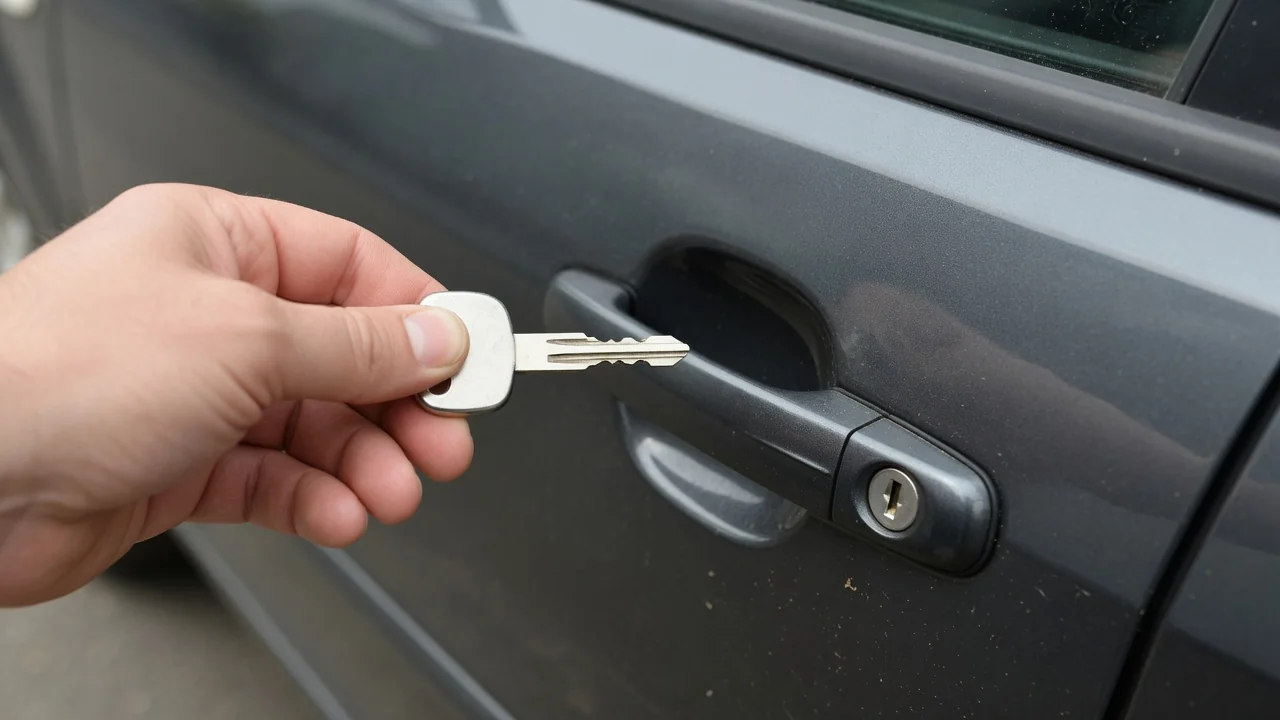
When a spare key won't open the car door, the cause is usually one of two things: the key itself or the lock it is meant to operate. Sorting out which one matters, because the remedies are completely different. This guide covers how a spare key fails, what a door lock cylinder can do to block a good key, and how to get back in without causing damage.
Pinning Down How the Spare Key Fails at the Door
Start by noticing exactly what happens at the door, because there are three distinct failure patterns. If the key won't slide into the cylinder at all, something is blocking the keyway or the blade profile is wrong for that lock. If it goes in fully but won't turn, the cuts may not match the tumblers, or the cylinder may be seized. If it turns but the door stays locked, the key is probably fine and the problem lies deeper inside the door. Each pattern points to a different cause.
The quickest test is trying the main key in the same door. If it works smoothly where the spare doesn't, the spare is the likely culprit; if both struggle, suspect the lock. Remember that a key fob's buttons and its mechanical blade are separate systems, so a fob that unlocks by remote tells you nothing about whether its emergency key was cut correctly. Also note whether the spare fails in any other locks your vehicle has, such as an ignition or trunk cylinder, since many newer models have neither.
Problems With the Spare Key Itself
A duplicate car key is only as good as the pattern it was copied from. When a copy is traced from an already worn key, the wear is reproduced and a little more error is added, leaving cuts slightly too shallow or misplaced. The result often slides in normally yet won't turn the cylinder. Other spares were never finished for mechanical use: an uncut blank, or a transponder key that was programmed electronically for the vehicle but never cut for the locks, will simply sit in the keyway.
Some vehicles are also supplied with a valet key or other limited-function key that operates only certain locks. What each key can do varies by manufacturer, so check your owner's manual rather than assuming. Then look the spare over in good light. A bent key blade, rough burrs along the edges, cuts that look shallow or rounded compared with the main key, or a blade that wobbles in the fob housing are all visible signs that the key, not the door, deserves attention.
Lock Cylinder Conditions That Block a Working Key
A correct key can still be defeated by the lock. Because most drivers unlock by remote, the door lock cylinder may go years without a key in it, and dirt, corrosion, and simple lack of use can stiffen the tumblers until they no longer move freely. Cold weather adds another possibility. A frozen car door lock may show ice around the keyway, a key that stops partway in, or trouble that appeared after rain or a wash followed by freezing temperatures, though those clues suggest freezing rather than prove it.
If the key turns freely with no resistance and the door stays locked, a worn or disconnected part between the cylinder and the latch may be at fault. That can't be confirmed from outside and needs professional diagnosis. On some vehicles the cylinder isn't visible at all, because it sits behind a cover on the door handle. The owner's manual shows where it is and how the cover is meant to come off; prying at trim without that guidance risks broken clips and scratched paint.
Safe Checks You Can Do Before Calling for Help
A few low-risk checks are worth doing first. Make sure the key is inserted fully, since a blade that stops a fraction short won't line up with the tumblers. If the blade is symmetric, withdraw it, flip it, and try the other orientation. Apply only gentle turning pressure in each direction. Never force the key, grip it with pliers, or lever it with a tool. A blade snapped off inside the cylinder turns a simple key problem into an extraction job that is harder and more expensive to resolve.
Resist the urge to spray household products or improvised lubricants into the keyway. The wrong product can gum up the tumblers or attract grit, so follow the owner's manual or ask a locksmith what suits your lock. Keep the limits of these checks in mind as well. If the main key works and the spare doesn't, that strongly suggests a key problem, but it doesn't reveal whether the cause is a bad cut, wear, or damage. That answer comes from having the key examined.
When You're Locked Out and the Spare Won't Work
If you're locked out of the car and the spare is your only key, professional help is the sensible route. Roadside assistance through an insurer or an auto club membership is often the first call. A qualified automotive locksmith can usually come to the vehicle, and a dealer service department is another option, though the car may need to be brought to them. Have proof of ownership and photo ID ready, because legitimate providers usually ask for both before opening a vehicle.
Do-it-yourself entry tools and tricks are a poor gamble. Wedges, wires, and similar devices can tear door seals, snag wiring inside the door, crack or scratch glass, and disturb trim near side airbag components. And if the lock refuses every key you own, further attempts won't help and may add wear. At that point the cylinder and the door latch need professional testing to find out where the fault lies, something that can only be judged properly with the right tools and access.
Getting and Keeping a Spare Key That Actually Opens the Door
The best replacement isn't a copy of a tired key. A qualified locksmith or dealer can often cut a key to the vehicle's original specification rather than tracing a worn blade, though the method available depends on the vehicle and the provider. Before leaving the shop, test the new spare's blade in each door lock, and any other key lock the vehicle has, then confirm that every fob function works. Finding a problem at the counter is far easier than finding it in a parking lot.
After that, try the spare in the door from time to time so a failing key or stiffening lock shows up on an ordinary day instead of during an emergency. Using the blade occasionally also keeps the cylinder moving. Store the spare somewhere dry where it won't be bent, crushed, or exposed to moisture, and never inside the vehicle. Keep the receipt and any key records or code tags you were given, since they can make ordering a replacement simpler later.