Should you warm up the car before changing transmission fluid

Warming up a vehicle before a transmission fluid change can make the job easier, but it also changes the risks and the accuracy of the service. The question matters because transmission fluid behaves differently when cold than when warm, and a driveway service has different limits than a shop procedure. The best answer depends on your transmission type, the fill and drain layout, and what you are actually trying to accomplish: draining old fluid, checking the level, or doing a more complete exchange. A brief, controlled warm-up is often useful, but a full operating-temperature condition is not always necessary or safe for a home fluid change.
Essential answer
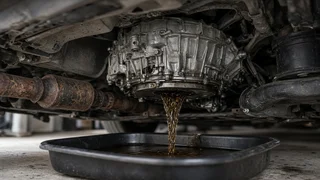
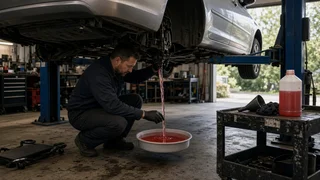
The essential answer is that a short warm-up usually helps, but the transmission does not need to be at full operating temperature before a fluid change. A few minutes of idling or a brief low-speed drive thins the fluid enough to drain more completely and remove more suspended wear material. This is convenient because cold transmission fluid can be thick, especially in cooler weather, so warm fluid flows faster and leaves less old fluid trapped in the valve body, torque converter, and cooler lines. The goal is a fluid that is warm enough to flow well but not hot enough to create a burn risk from the pan, exhaust, or drained fluid.
The right temperature also depends on the service you are performing. If you are only dropping the pan and replacing the filter, moderate warmth is enough. If you plan to check the fluid level afterward, many transmissions must be at a specific temperature range to give an accurate reading, and the procedure varies by transmission type. A sealed unit without a dipstick may require a scan tool or a level-check plug rather than a simple warm-up. The warm-up is a preparation step, not a repair step, and it should be kept brief enough to avoid unnecessary heat exposure while making the old fluid thin enough to drain effectively.