Should you change transmission fluid in an old car
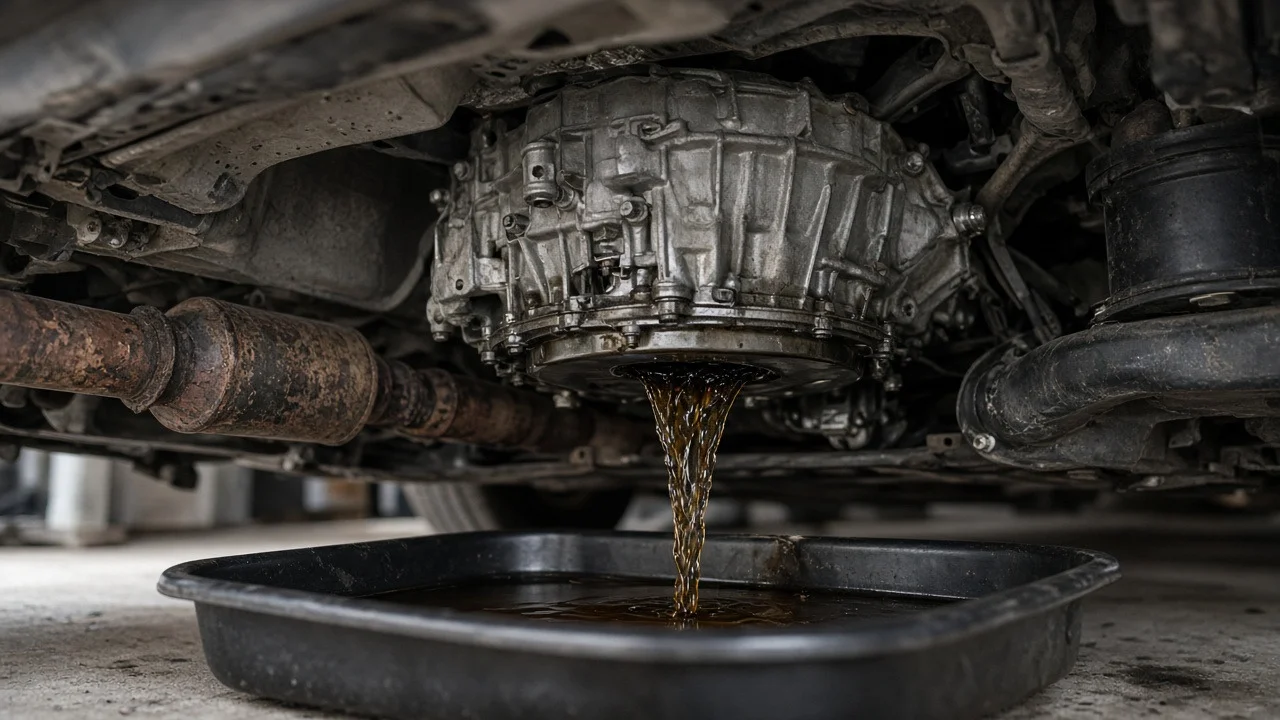
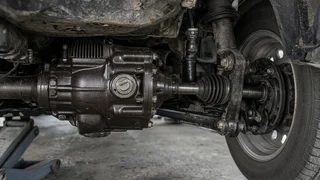
An older automatic transmission has already spent years building heat, friction material, and varnish into its fluid. The question of whether to replace that fluid is less about the fluid itself and more about what the old fluid is doing inside the valve body and clutch packs. A drain-and-fill or full exchange can restore lubrication, but it can also release deposits or change hydraulic behavior that the transmission has adapted to. The right answer depends on the transmission type, current shift behavior, service history, and what you see on the dipstick.
Essential answer
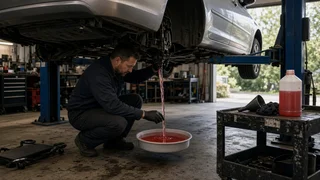
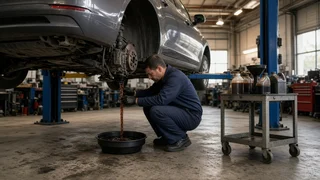
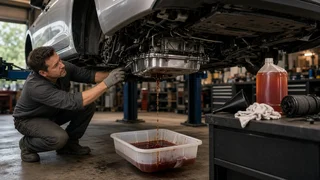
Yes, changing the transmission fluid can still be worthwhile on a high mileage vehicle, but the method matters more than on a newer car. If the fluid is merely darkened and the transmission shifts normally, a gentle drain-and-fill using the correct fluid specification is often a reasonable way to refresh additives without shocking the hydraulic system. On a neglected transmission with very dirty fluid or slipping shifts, a complete flush may disturb accumulated clutch material that is helping worn friction surfaces hold.
The safest path starts with checking the dipstick and the service history. Bright red or clean reddish fluid with normal shift behavior suggests the unit has been maintained, and a fluid exchange is less risky. Dark brown or black fluid with a burnt smell and delayed or harsh engagement means the existing fluid is carrying wear particles and degraded friction modifiers. In that condition, a partial change may still help, but a full exchange should be approached cautiously because it can change shift feel on an older unit.