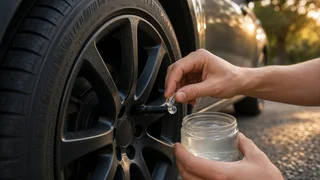
Should You Lubricate a Tire Valve Stem (Vaseline)?
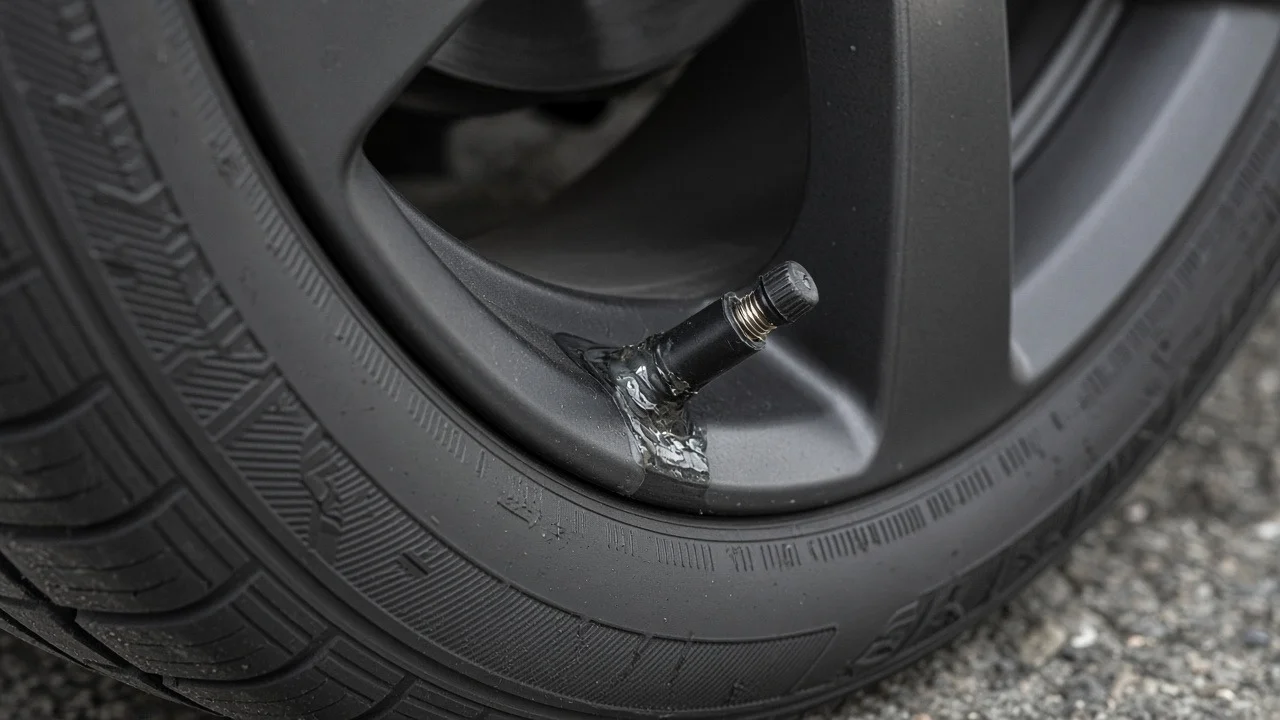
Applying Vaseline to a tire valve stem may seem like a harmless way to protect rubber, but the practice can create more problems than it solves. A valve stem manages inflation pressure and relies on precise sealing surfaces, not heavy grease. Petroleum jelly can soften certain rubber compounds, attract abrasive dirt, and interfere with the valve core or cap. Drivers researching whether to put Vaseline on tire valve stem should understand how the stem works, what it needs for reliable sealing, and why tread depth, load index, speed rating, and drivetrain compatibility matter more for tire health than casual lubrication.
Essential answer
Generally, you should not lubricate a tire valve stem with Vaseline. The stem is designed to seal using the valve core, a spring-loaded pin, and a tight cap or Schrader fitting, not external grease. Petroleum jelly can degrade certain rubber or elastomer blends, attract grit that wears the sealing surfaces, and mask a slow leak rather than fix it. A better approach is keeping the stem clean and dry, replacing a cracked or leaking core, and checking inflation pressure against the vehicle placard.
If the stem feels stiff or the cap is difficult to remove, that is usually a sign of contamination, age, or a damaged core, not a lack of lubrication. A hard, cracked stem should be inspected and replaced by a tire professional, especially if the tire has measurements that affect load index or speed rating. Using Vaseline can also make it easier for the cap to loosen from vibration, exposing the core to moisture and road debris. Such exposure may cause a slow pressure loss that affects tread wear and overall tire performance.