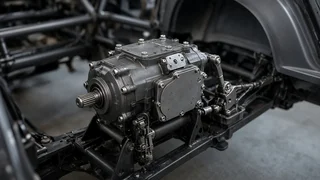
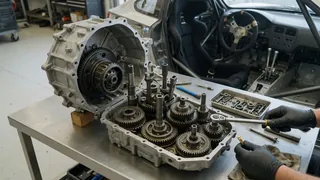
Sequential gearbox for drag racing
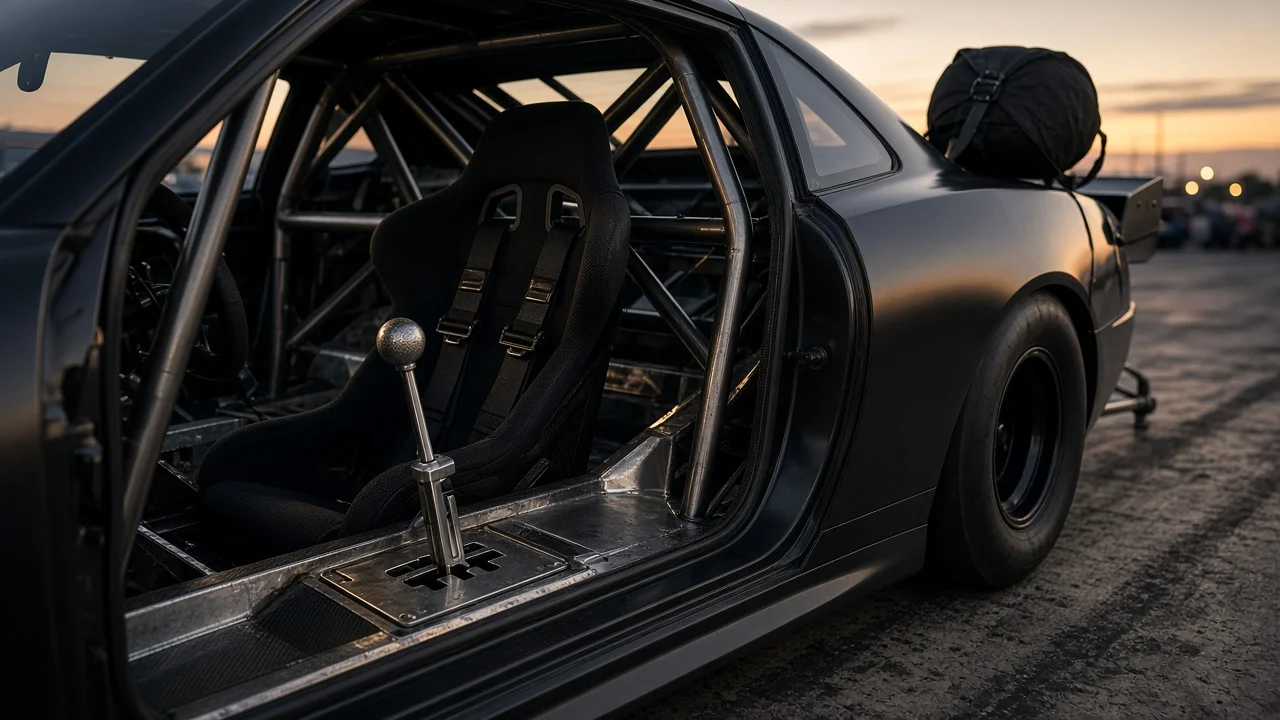
A sequential gearbox changes the rules of drag racing by replacing the traditional H-pattern gate with a direct, forward-or-back shift motion. For racers evaluating transmission types, this design can reduce the time lost between gears and help keep engine speed in the strongest part of the powerband. Shift behavior matters intensely when a few hundredths of a second decide a pass. The setup is not simply a manual with a different lever; its internal drum, dog engagement, and shift strategy all influence how the car leaves the line and recovers after each gear. Understanding that distinction is the first step before considering fitment, fluid specification, service history, diagnostic codes, repair options, or compatibility with a particular platform.
Essential answer
A sequential gearbox for drag racing is a transmission that moves through ratios one at a time in a fixed order, usually by pulling or pushing a shift lever or actuating a paddle. Unlike a conventional H-pattern manual, the driver cannot jump from first to third or accidentally select the wrong gate. That limitation becomes a consistency advantage on a drag strip, where repeatable shift timing and predictable lever travel help produce more uniform elapsed times. The design is commonly associated with motorsport gear sets, straight-cut or close-ratio options, and air- or electronically assisted shift mechanisms, but the core idea is always the ordered progression of gears.
The essential answer also includes a practical qualification: a sequential gearbox is not automatically a bolt-in drag racing upgrade for every car. The transmission type must match the vehicle’s bellhousing, input shaft, shifter location, and driveline layout. Fitment depends on the specific chassis and engine combination. Likewise, shift behavior changes with clutch strategy, engine management, and rear gear selection. Racers should view a sequential unit as part of a broader launch and shift package. Diagnostic codes and service history still matter, because a used racing gearbox can carry hidden damage that no external inspection will reliably reveal.