Racing slick tires for sale
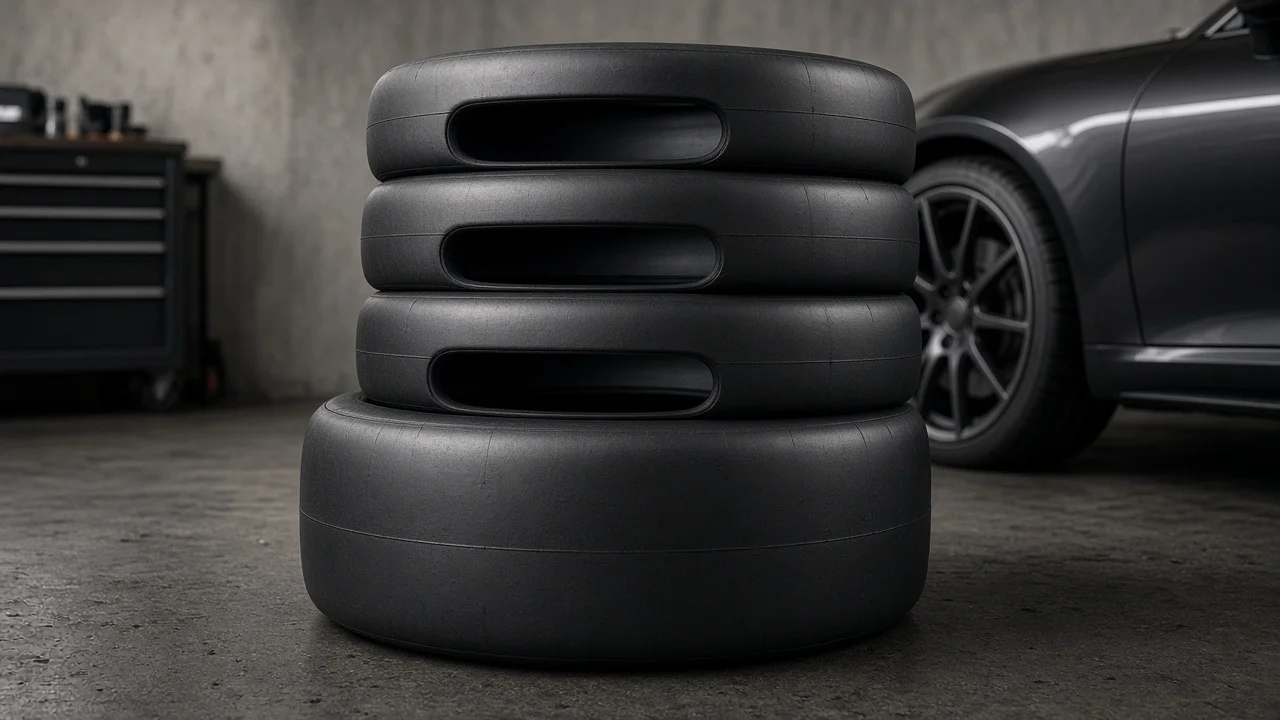
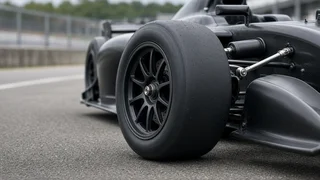
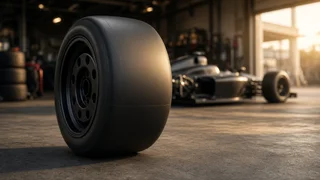
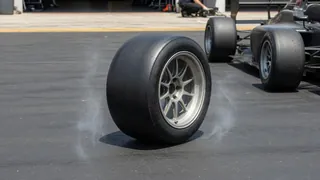
Shopping for racing slick tires for sale means evaluating a tire that trades wet-weather versatility for maximum dry grip. A slick has no circumferential grooves or lateral sipes, so it puts a larger continuous rubber contact patch on the track surface. That design decision changes how you should read tire size, load index, speed rating, inflation pressure, tread depth, the vehicle placard, and drivetrain compatibility. The right choice depends on the vehicle setup, the sanctioning body rules, and whether the car will be trailered or driven to the event.
The direct answer
To choose racing slick tires for sale, start with the rim diameter and section width already proven on the car, not a generic upgrade size. The tire size marked on the sidewall must fit the wheel width and clear the suspension, fenders, and brake hardware through the full range of steering and suspension travel. A wider slick can add cornering grip, but only if the wheel offset and chassis allow it without rubbing or changing the intended scrub radius.
Next, confirm the load index and speed rating meet or exceed the demands of the vehicle as raced. On a slick, tread depth is essentially a wear indicator and a heat-cycle gauge rather than a wet-traction feature. Begin with the inflation pressure recommended by the tire supplier or race setup notes, then adjust in small steps based on tire temperatures and wear pattern. The vehicle placard is a street tire reference and may not apply to a competition slick, so use it only as a baseline for load-carrying context.