SDG&E CNG Fueling Station: What It Is and How Natural Gas Refueling Works
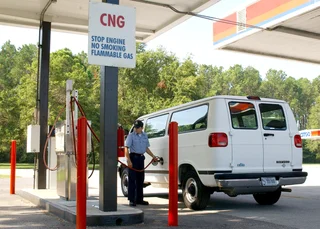
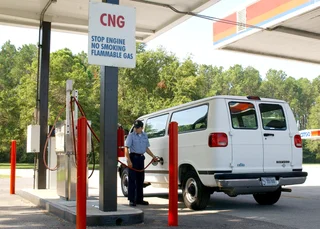
Drivers searching for an SDG&E CNG fueling station are usually looking for a place to refill a compressed natural gas vehicle in the San Diego area. SDG&E (San Diego Gas & Electric) is the regional gas and electric utility, and it has been associated with public-access compressed natural gas (CNG) fueling in its service territory. Station locations, opening hours, payment options and prices can change, and utility-run sites are sometimes closed, relocated or handed to third-party operators. Confirm a station's status before you drive there. The rest of this guide covers what such a station offers, how CNG refueling differs from filling up with gasoline, and what to check on your vehicle.
The Short Answer
An SDG&E CNG station is a natural gas fueling point linked to the local gas utility. It dispenses high-pressure natural gas into vehicles built or converted to run on CNG. It is not an LPG (propane) station, and it does not serve liquefied natural gas (LNG) vehicles. Public access, fleet-only access and accepted payment methods vary by site. Treat any single listing as a starting point and verify it with SDG&E or a current alternative-fuel station locator, such as the U.S. Department of Energy's Alternative Fuels Data Center station finder. Station-finder apps used by natural gas vehicle drivers are another option.
How a Utility CNG Station Differs From Other Fueling Options
Fuel type | Stored as | Typical vehicle use | Compatible with a CNG station? CNG | Gas compressed to high pressure | Cars, vans, pickups, transit and refuse fleets | Yes; LNG | Cryogenic liquid | Mainly heavy-duty trucks | No, requires a separate LNG dispenser; LPG (propane autogas) | Liquid under moderate pressure | Fleets, some converted light-duty vehicles | No, different fuel and different nozzle; Gasoline or diesel | Liquid at ambient pressure | Conventional vehicles | No
Compared with a retail CNG station run by a fuel company, a utility-associated site may put more emphasis on fleet customers, account-based payment or programs that encourage natural gas vehicle adoption. Those differences are site-specific. Do not assume a particular access policy without checking.
How CNG Refueling Works
A CNG station takes natural gas from the utility pipeline and dries and filters it. Compressors then raise it to high pressure and store it in buffer tanks or send it directly to the dispenser. When you connect the nozzle, gas flows from the station's higher-pressure storage into your vehicle's cylinders until the target fill pressure is reached.
Fast-fill: the dispenser fills the vehicle in a time broadly comparable to a liquid-fuel stop. This is the usual arrangement at public stations. Time-fill: vehicles are connected for hours, often overnight, and fill slowly from the compressor. This is common at fleet depots. Fill pressure: light-duty CNG systems are commonly rated at 3,000 or 3,600 psi service pressure, and dispensers often offer both. Use only the pressure rating shown on your vehicle's fuel label. Nozzle: light-duty vehicles typically use a standardized NGV1-type receptacle, with pressure-specific variants to prevent overfilling a lower-rated system. Pricing unit: CNG is usually sold per gasoline gallon equivalent (GGE), meaning the amount of gas with roughly the same energy as one gallon of gasoline.
Fills can end short of a full tank on hot days or after a fast fill. Gas warms as it is compressed into the cylinder, and once it cools the settled pressure falls. Many dispensers apply temperature compensation to reduce this effect, but some variation in range from fill to fill is normal.
Using the Station Safely
Turn the engine off and follow the instructions posted on the dispenser. Seat the nozzle fully and lock it onto the receptacle before starting the fill. If you hear a sustained hiss, smell gas or see frost forming around a fitting, stop fueling and use the dispenser's emergency stop. Do not use a nozzle with a higher pressure rating than your vehicle's system. Report damaged hoses, nozzles or dispensers to the station operator rather than trying to work around them.
What to Check on Your CNG Vehicle
Fuel delivery on a CNG vehicle works differently from a gasoline system. There is no in-tank fuel pump. Pressure stored in the cylinders moves the gas, and a pressure regulator steps it down to the working fuel pressure the injectors need. Engine configuration matters as well. Dedicated CNG vehicles run only on natural gas, while bi-fuel vehicles can switch between CNG and gasoline and keep a conventional gasoline pump and fuel system for that mode.
Cylinder labels: CNG cylinders carry a service pressure rating and an expiration date. A cylinder past its expiration date should not be filled, and some stations will refuse it. Periodic inspection: cylinders are commonly inspected every three years or 36,000 miles, whichever comes first, and after any collision or fire. Your vehicle documentation may set a different schedule. Leak check: a qualified technician can test fittings, lines and the receptacle for leaks. Do this after any repair to the fuel system and whenever you smell gas. Fuel filter: CNG systems use filters to catch particulates and compressor oil carried in the gas. A restricted filter can lower fuel pressure under load. Regulator and injectors: a failing regulator or a sticking gaseous injector can cause rough running, hard starts or a lean condition. Fuel trim: on vehicles with onboard diagnostics, long-term fuel trim values that move steadily away from normal can point to a pressure, injector or gas-quality issue. Have this diagnosed rather than ignored.
Before You Go: Confirming Current Station Details
No verified current details are given here for a specific SDG&E station, including hours, price per GGE, accepted cards or exact location. These details change over time. Before planning a trip, check the following points with SDG&E directly or in an up-to-date alternative-fuel locator:
Whether the station is open to the public or limited to fleets or account holders. Which fill pressures the dispensers offer, and whether they suit your vehicle. Accepted payment methods, including any fleet card or account registration requirement. Operating hours and any scheduled maintenance closures. Whether the dispenser can serve your vehicle's size, especially for larger trucks.
Bottom Line
An SDG&E CNG fueling station serves compressed natural gas vehicles in the San Diego utility territory. Light-duty vehicles typically fill at 3,000 or 3,600 psi through a standardized NGV nozzle, and the gas is priced per gasoline gallon equivalent. The station cannot serve LPG or LNG vehicles. Access and payment rules vary, so confirm the station's current status first, and keep your vehicle's cylinders in date and inspected so you can refuel without problems.