Salvage and Rebuilt Title Car Insurance: Eligibility and Cost Factors
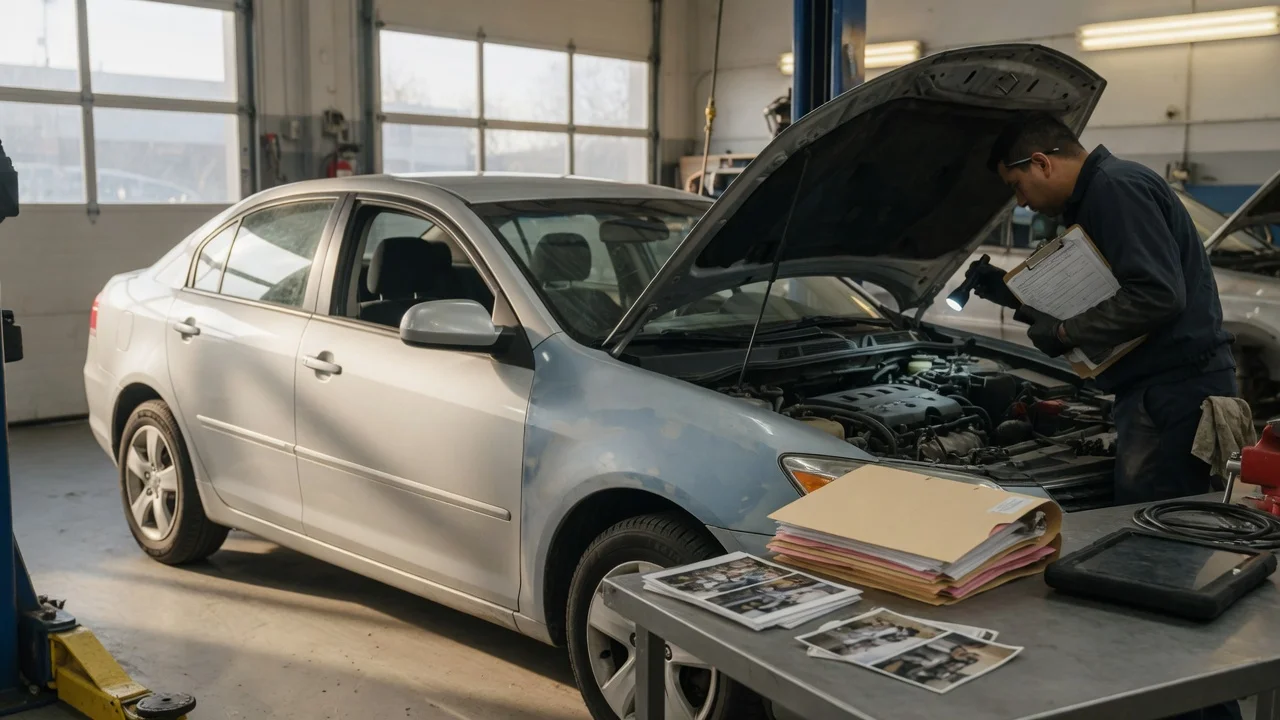
Can you insure a salvage or rebuilt-title car?
You can usually insure a rebuilt-title car for liability once the vehicle is repaired, inspected, and retitled as rebuilt or reconstructed. Full coverage is harder to buy. An unrepaired salvage-title vehicle is typically not eligible for ordinary auto insurance for road use because it is not street-legal in most states until it is rebuilt and inspected. Storage, transport, or specialty salvage coverage may be available while the car is off the road. The material conditions that change this answer are the current title brand, whether the car has passed a state rebuild inspection, the cause of the original total loss, and the insurer’s underwriting rules.
What salvage and rebuilt titles mean for insurance
A salvage title is issued after an insurer declares a vehicle a total loss. That usually happens when the estimated cost to repair the car, plus related costs, reaches a state or insurer threshold relative to the vehicle’s actual cash value. Common causes include collision, theft recovery, fire, flood, and hail. A salvage brand records that history on the title and, in most states, bars registration and legal on-road use until the car is repaired and inspected.
A rebuilt title, sometimes called reconstructed, is issued after a salvage vehicle is repaired, documented, and passed a state inspection for roadworthiness. The car can then be registered and driven, but the title remains branded. Insurers treat that brand as a permanent signal of prior severe damage, lower resale value, and a higher chance of hidden structural, electrical, or flood-related problems. Those facts drive both eligibility and price.
Eligibility by title status
Eligibility depends first on whether the car is still salvage or has already been rebuilt. Insurers also split coverage into liability, which pays others for injury and property damage you cause, and physical-damage coverage, which pays for your own car through collision and comprehensive. A branded title rarely blocks the legal need for liability once the car is registered; it often blocks or limits physical-damage coverage.
Salvage title, unrepaired: Ordinary liability, collision, and comprehensive for driving are generally unavailable. The car is not registrable for road use in most states. Some specialty or inland-marine style policies can cover the vehicle while stored, transported, or under repair. Confirm with the insurer that the policy matches off-road use. Rebuilt or reconstructed title, inspected and registered: Liability coverage is commonly available, though not from every company. Collision and comprehensive are optional at the insurer’s discretion and are declined more often than on a clean-title car.
Some national carriers will not write any policy on a rebuilt title. Others will write liability only. Nonstandard, specialty, and some regional insurers are more likely to offer physical-damage coverage, often with extra documentation, a higher deductible, or an agreed-value or stated-value arrangement. Shop more than one market; a decline from one company is not a universal bar.
What insurers typically require
Underwriters want proof that the car is legal to drive and that the rebuild was documented. Exact paperwork varies by state and company, so treat the following as a typical checklist rather than a guarantee of approval.
Current rebuilt or reconstructed title, not an open salvage brand. State rebuild or safety inspection certificate, plus any required VIN or theft inspection.
Repair invoices, photos, and receipts for major parts, especially airbags, frame or unibody work, engine, transmission, and electrical components. Disclosure of the original loss type: collision, theft, fire, flood, hail, or other.
Current registration or proof the vehicle can be registered in your state. For physical-damage coverage, a recent appraisal or inspection so the insurer can set actual cash value or an agreed value.
Flood and saltwater losses are the most common extra hurdle. Water in wiring, modules, and structural cavities is hard to verify after a rebuild, so many insurers that will cover a collision rebuild will still decline a flood rebuild for collision and comprehensive. Fire and unrepaired frame damage raise similar concerns. If the original loss type is unknown, expect more scrutiny or a decline for physical-damage coverage.
Coverage you can reasonably expect
Liability, and often uninsured or underinsured motorist coverage, is the practical baseline for a street-legal rebuilt car. Personal injury protection or medical payments follow state rules the same way they do for a clean-title vehicle. Those coverages pay other people or your medical bills; they do not restore the branded car itself.
Collision and comprehensive, when offered, pay to repair or total your rebuilt car after a crash, theft, vandalism, weather, or similar event. The settlement is based on the actual cash value of a comparable rebuilt-title vehicle, which is lower than a clean-title counterpart. If repair cost exceeds that reduced value, the insurer can total the car again. A second total loss may produce another salvage brand and little leftover value after deductible and any loan payoff.
Gap coverage is a poor fit in many rebuilt-title cases because the car’s insured value is already discounted and lenders, when they finance branded titles at all, may impose their own insurance conditions. Mechanical breakdown, new-car replacement, and appearance-protection add-ons are often excluded. Ask in writing which optional coverages the branded title disqualifies before you buy.
Cost factors that move the premium
There is no single market price for salvage or rebuilt-title insurance. Premiums are quoted by company, state, driver, and vehicle. Public rate filings and shopping results commonly show that liability on a rebuilt car can land near a clean-title quote for the same driver, while collision and comprehensive, when available, cost more relative to the car’s value and still pay less after a claim. Do not treat any round number as your quote; get written premiums for your VIN and driving record.
Title brand and loss type. Rebuilt after collision is easier to place than flood, fire, or an undocumented salvage history. Coverage selected. Liability-only is the cheapest and most widely offered option. Adding collision and comprehensive raises the premium and can trigger a decline.
Vehicle value and how it is set. Actual cash value on a branded title is discounted. An agreed or stated value can stabilize a claim payment but may require an appraisal and still will not match clean-title market value. Deductible. Insurers that write physical damage on rebuilt cars often require a higher deductible because small claims can exceed the car’s remaining value.
Driver and household risk. Record, mileage, garaging ZIP code, and other vehicles on the policy still apply. A branded title does not cancel those rating factors. Rebuild quality and documentation. Complete receipts, structural repairs done to spec, and a clean state inspection reduce underwriting friction. Missing paperwork can mean a decline or liability-only.
Use. Daily commuting is easier to insure than rideshare, commercial, off-road, or track use. Project cars that are not yet registered belong on a different policy type. Lender requirements. If a loan or title-pawn exists, the lienholder may demand comprehensive and collision. If no standard insurer will write those coverages, financing can stall even when liability is available.
How a claim is likely to settle
On liability claims, the branded title of your car usually does not change what you owe the other party. On a collision or comprehensive claim, the insurer values your vehicle as a rebuilt-title car. Comparables, salvage auctions, and branded-title market data all pull that number down. Pre-existing unrepaired damage, poor prior repairs, and flood indicators can reduce the offer further or support a denial if the loss relates to a condition that existed before the policy.
If the car is totaled again, you receive actual cash value minus deductible, and the title typically returns to salvage. Keep the rebuild file: invoices, photos, inspection certificates, and parts receipts. That packet is the main evidence you have if the valuation looks low or if the insurer questions whether a failure was caused by the new loss or by the original damage.
State and registration conditions that change the answer
Title brands, inspection programs, and insurance minimums are set by state law. Some states issue rebuilt, reconstructed, or recovered-theft brands with different rules. A few have additional flood or lemon brands. A car that is legal to register in one state may still be hard to insure if you move, because the new state’s insurers read the same brand more strictly. Before you buy a salvage or rebuilt car, confirm with your state motor vehicle agency that the title can be transferred and registered, then confirm with an insurer that they will write the coverage you need in that state. Those two answers can diverge.
Registration generally requires at least the state’s minimum liability insurance. Passing a rebuild inspection satisfies the DMV; it does not bind any insurer to offer collision or comprehensive. If your goal is a financed daily driver with full coverage, verify both registration and physical-damage availability before you pay for the car or the rebuild.
Practical next step
Decide which coverage you actually need: liability to register and drive, or physical-damage coverage to protect the car and a lender. Gather the current title, inspection proof, repair records, and the original loss type. Ask several insurers, including nonstandard markets, for written quotes on that VIN, and ask each one to state whether collision and comprehensive are offered, how value will be set, and which loss types they exclude. If quotes come back liability-only, budget as if damage to the car is your cost. If no one will write a policy that meets a lender’s requirements, treat financing as unavailable for that vehicle.
Specific premiums, carrier lists, and state inspection checklists are not included here because they change by ZIP code, VIN, and underwriting appetite. A gap remains wherever your state’s brand name, flood rules, or a particular company’s rebuilt-title policy differ from the pattern above; those details have to come from your DMV and a quoted insurer, not from a generic range.