Insuring a Salvage or Rebuilt Car: Eligibility and Cost Factors
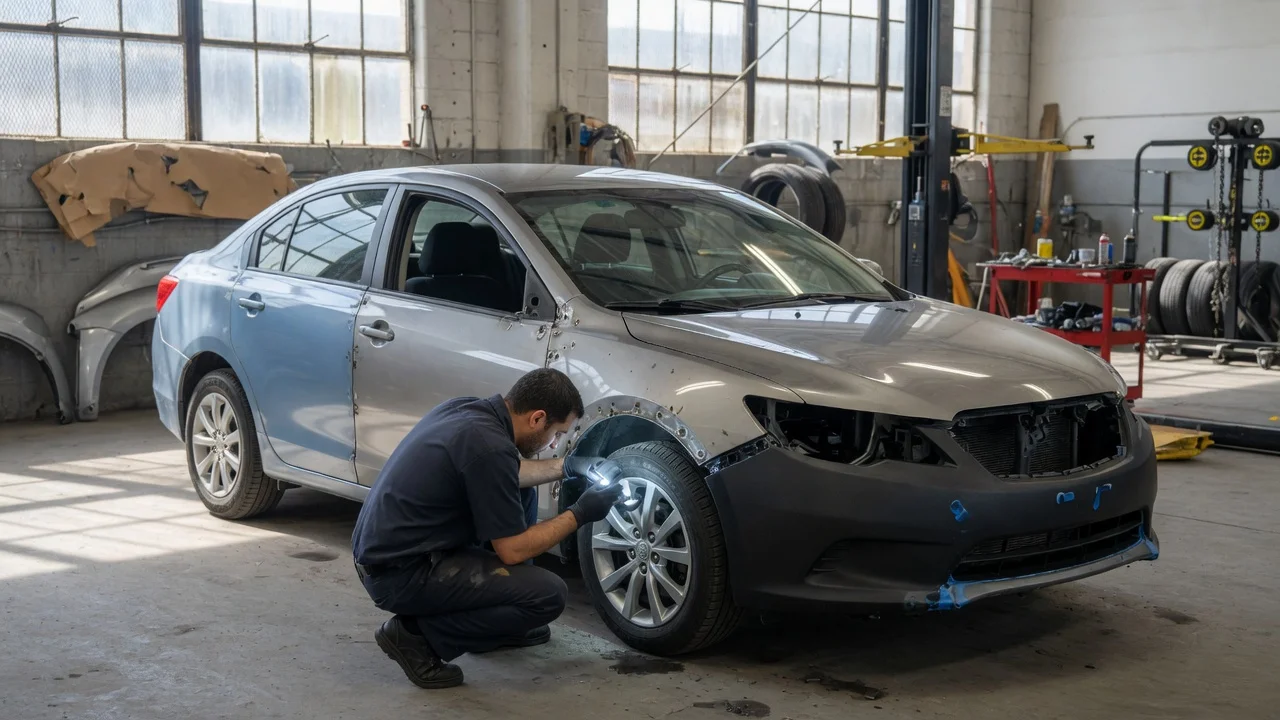
You can often insure a rebuilt-title car, at least for liability. An unrepaired salvage-title vehicle is much harder to cover, and many standard insurers will not sell comprehensive or collision on a branded title. Eligibility and price depend on the title brand, whether the car has passed a state rebuilt inspection, the insurer’s rules, and the state where the car will be registered. Specific premiums are not uniform and cannot be stated as a single figure.
Salvage title versus rebuilt title
A salvage title is a branded title applied after an insurer declares the vehicle a total loss, usually because the cost to repair it, plus salvage value, meets a state or company total-loss threshold. The car may still be damaged, unrepaired, or used for parts. It is generally not legal for regular road use until it is rebuilt and retitled under that state’s process.
A rebuilt title, sometimes labeled reconstructed or restored, means the salvage vehicle was repaired, documented, and passed the inspection the state requires before registration. The brand remains on the title history. Insurers underwrite the remaining brand, not a clean title. Until that rebuilt step is complete, many carriers will not issue a standard personal auto policy.
What coverage you can actually buy
Liability coverage, which pays others for injury and property damage you cause, is the coverage most often available once a rebuilt car is registered. Comprehensive and collision, which pay for damage to your own car from theft, weather, vandalism, or a crash, are offered less often. Some carriers refuse those physical-damage coverages because prior damage and a lower, harder-to-prove market value make a later claim difficult to settle.
Unrepaired salvage vehicles that are not registered for highway use are frequently ineligible for a regular auto policy. A storage, garage, or non-owner policy, if one is offered, is a different product and does not replace insurance for driving the car. Specialty and some regional insurers are more likely to write branded-title cars than large standard-market carriers. A prior policy with an insurer does not guarantee they will cover a newly purchased salvage or rebuilt vehicle.
Most lenders will not finance a branded-title car, so a loan-driven requirement for full coverage is uncommon. If a lienholder does exist, they may require comprehensive and collision that many insurers will not provide on that VIN.
What drives cost
Insurers that will quote a rebuilt car typically start with the same rating factors used for a clean-title vehicle, then adjust for the branded title and the car’s actual cash value (the amount the insurer estimates the car is worth at the time of a loss). A lower value can reduce a later total-loss payout even when the premium is not proportionally lower. Liability rates may look similar to those for a comparable unbranded car.
Title brand (salvage versus rebuilt or reconstructed) and whether a state rebuilt inspection is finished; Vehicle year, make, model, powertrain, and remaining value after the brand; How the car will be used: personal driving, commuting, commercial work, or off-road or parts only; Your driving record, garage location, deductibles, and liability limits; Whether you need liability only or also comprehensive and collision; The insurer’s underwriting rules for branded titles in your state
Do not assume a rebuilt car is cheaper to insure because it is worth less. Some insurers will consider a stated or agreed value for a rebuilt car; if they use actual cash value instead, a later claim may be settled well below what you paid to buy and repair it. Dollar premiums, surcharge percentages, and which companies currently write this business are omitted here because they change by state, vehicle, and underwriter and cannot be verified as a single number.
Conditions that change eligibility
State law is the largest condition. Title labels, inspection steps, and whether a rebuilt car may be registered at all differ by state. A car that still carries an unrepaired salvage title, incomplete repair records, or a flood, lemon, or similar additional brand is a stricter underwriting problem than a rebuilt daily driver whose damage was limited and well documented. Flood and major structural salvage are more often declined for physical-damage coverage.
If the vehicle cannot pass inspection, cannot be registered, or will be used only for parts, racing, or off-road recreation, a standard personal auto policy generally will not apply. Model-year, trim, and market differences can also matter when an insurer values the car, and those differences should be confirmed against the specific VIN rather than assumed from a similar listing.
What to confirm before you buy the car
A general explanation is not a bindable quote. Before you purchase a salvage or rebuilt vehicle, ask an insurer that writes branded titles in your state to confirm, for that VIN:
Whether they will insure the car after you own it; Which coverages they will sell: liability, comprehensive, collision, and uninsured or underinsured motorist; How they will value the car after a later total loss; Whether a rebuilt inspection and registration must be complete before a policy can start; What photos, repair receipts, or inspection certificates they require
If you cannot get a quote you are willing to bind, treat that as a reason to walk away. Keep repair invoices, photos, and inspection paperwork; you will need them for underwriting and for any later claim. Shop coverage first, then complete registration only after you know a policy can be issued.