Salvage Car Insurance: Eligibility, Coverage Limits and Cost Factors
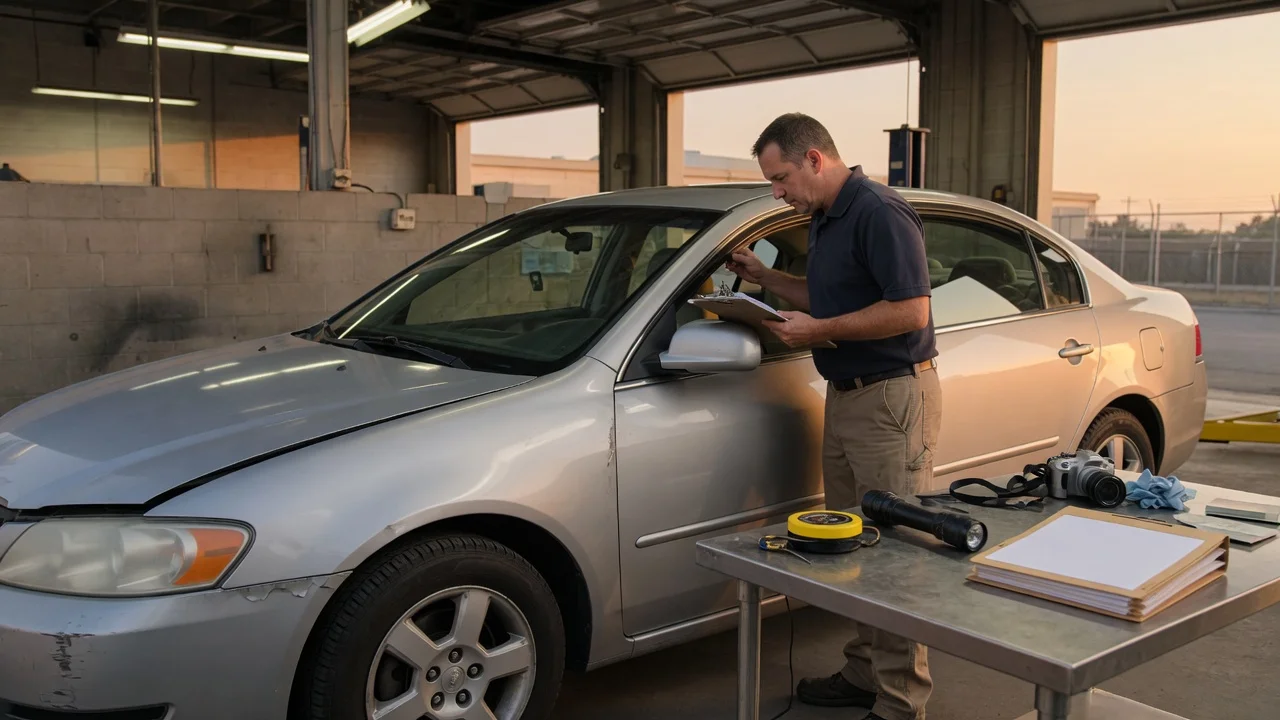
Can you insure a salvage car?
Yes, a salvage-title vehicle can often be insured, but the available policy is usually narrower than coverage on a clean-title car. Liability coverage is the part most owners can obtain. Collision and comprehensive (physical-damage) coverage is commonly declined, restricted, or priced on a lower vehicle value. The title brand, repair status, and the insurer’s underwriting rules decide what you can buy.
A salvage title generally means an insurer previously declared the vehicle a total loss, often after crash damage, flood, fire, or theft. After repairs, many jurisdictions require inspection and may retitle the car as rebuilt or reconstructed. That rebuilt status is usually easier to insure than an unrepaired salvage title, but it is still a branded title and is treated as higher risk.
Eligibility: what insurers typically require
Eligibility is set by the insurer and by the motor-vehicle rules where the car is registered. There is no single national checklist. Ask the insurer, in writing, whether it will bind a policy on the exact title status printed on the current title.
Title status: unrepaired salvage is frequently ineligible for a standard personal-auto policy; rebuilt or reconstructed titles are more often accepted, still with extra underwriting. Roadworthiness and inspection: many states require a salvage or rebuilt inspection before registration; insurers often want proof that the car passed that inspection and is registered for road use. Use of the vehicle: personal, commuting use is easier to place than commercial, rideshare, or off-road use. Driver and household risk: license status, driving record, and where the car is garaged still apply, as they do on any auto policy. Vehicle identification: VIN, year, make, model, and current odometer reading must match the title and any inspection paperwork.
Some carriers will not write any coverage on a branded title. Others will write liability only. A smaller set will consider physical-damage coverage after photos, repair invoices, and an inspection. Specialty or nonstandard insurers sometimes fill the gap when standard companies decline. Exact carrier lists and state-by-state rules are not included here; confirm with the Department of Motor Vehicles and licensed insurers in the registration state.
Coverage that is usually available
Match the policy to the title and to what the law requires for the registered owner. The common split is liability versus physical damage.
Coverage Typical availability on salvage or rebuilt titles What it pays; Bodily injury and property-damage liability Often available if the car is registered and the driver is licensed Injury and property damage you cause to others; it does not repair your salvage car; Uninsured or underinsured motorist Often offered with liability, subject to state rules Injuries (and, in some states, vehicle damage) caused by an uninsured or underinsured driver; Medical payments or personal-injury protection Depends on the state; may be required or optional Medical costs for occupants, on terms in the policy; Collision Frequently unavailable or limited Damage to your car from a crash, up to the car’s insured value minus deductible; Comprehensive Frequently unavailable or limited Theft, vandalism, fire, flood, and similar non-crash losses, up to the insured value minus deductible; Gap, new-car replacement, and appearance protection Usually a poor fit or declined Those products assume a higher retail value that a branded title often does not have
If physical-damage coverage is offered, the payout is usually actual cash value of the branded vehicle, not what a comparable clean-title car would bring. Some policies use an agreed value stated at binding. Either way, the salvage or rebuilt brand typically lowers the amount the insurer will pay if the car is damaged again or stolen.
Coverage limits and payout conditions
Liability limits are chosen by the insured, subject to state minimums. Higher liability limits protect assets if you cause a serious injury or property loss; they do not increase what the insurer will pay to repair the salvage car itself.
Physical-damage limits, when they exist, are capped by the car’s insured value. Conditions that change the payout include the deductible, betterment (the insurer may not pay to make the car better than it was), unrepaired prior damage, and whether the loss is a total loss again. A second total loss on a branded title can leave a small check because the starting value is already reduced.
Flood, fire, or theft-origin salvage can face extra restrictions on comprehensive coverage. Insurers may exclude certain prior-damage types or require documented repairs before they will consider theft or comprehensive claims. Policy language controls; do not assume a standard clean-title endorsement applies.
What changes the cost
Specific premiums are not quoted here; they vary by insurer, state, driver, and vehicle. Cost is driven by how hard the risk is to place and by how much the insurer might have to pay.
Title brand and repair quality: unrepaired salvage, flood brands, and poorly documented rebuilds tend to be more expensive or uninsurable compared with a clean rebuilt inspection. Whether physical-damage coverage is included: liability-only is often cheaper than adding collision or comprehensive, because the insurer is not insuring the car’s own value. Vehicle type, age, and theft profile: sports cars, high-theft models, and cars with expensive parts can cost more even with a branded title. Driver record, credit-based insurance score where allowed, mileage, and garaging ZIP code: the same rating factors used on ordinary auto policies still apply. Limited market: fewer companies compete for branded-title risks, which can raise the rate or force a move to nonstandard coverage. Deductible and limit choices: a higher deductible lowers the premium if collision or comprehensive is offered; higher liability limits raise it.
Lender or lessor requirements can force physical-damage coverage that the used-car market will not readily provide. If a loan is involved, confirm with the lender what coverage it will accept on a salvage or rebuilt title before you buy the car. That requirement is a common reason a deal fails after the title is pulled.
Practical next steps before you buy or register
Get an insurance quote on the exact VIN and current title type before you pay for the vehicle or finish a rebuild. Ask whether the quote is liability-only, whether collision and comprehensive are available, how the car will be valued, and whether the policy will remain in force after a rebuilt title is issued. Compare that answer with the state’s registration and inspection rules so you do not own a car you cannot legally drive or finance.
Gaps in public, one-size guidance include current premiums, a complete list of carriers that accept branded titles in each state, and the inspection form your DMV will require. Those items must be confirmed locally. Keep repair photos, parts invoices, and inspection certificates; underwriters and future buyers both rely on that file if a claim or a resale comes later.