Used Car Insurance Cost: Factors That Affect Your Premium
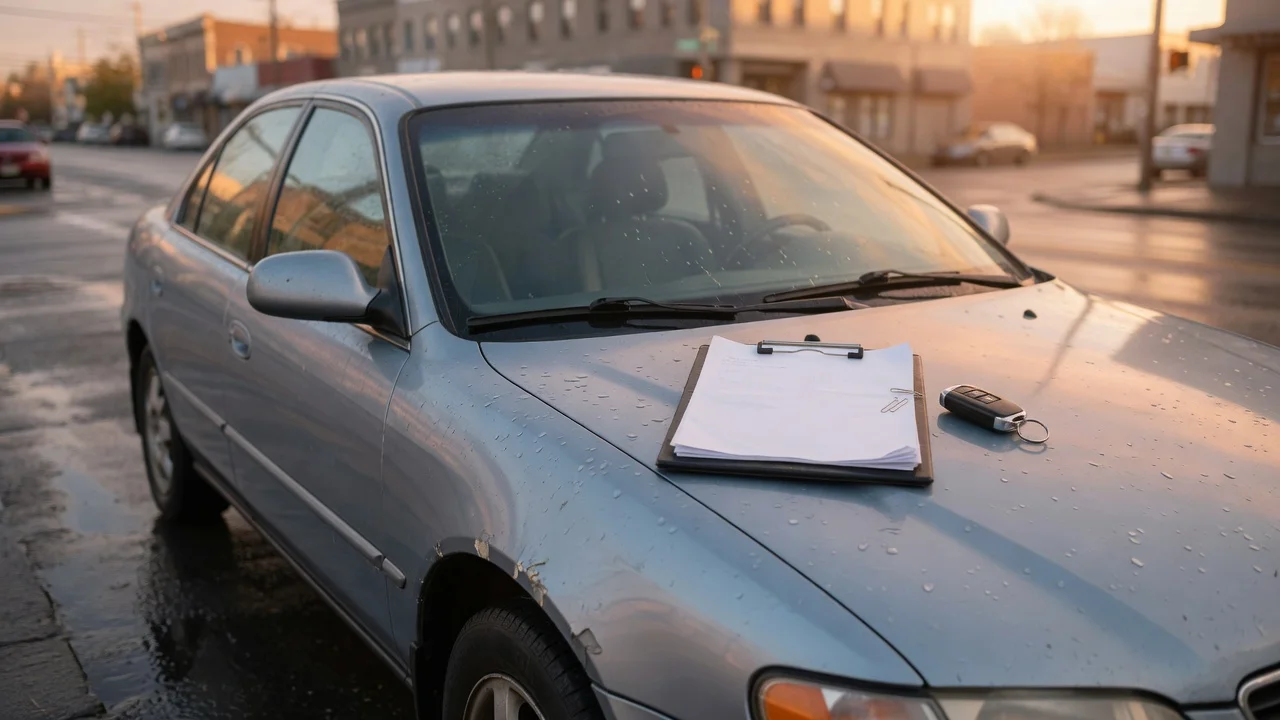
What used-car insurance typically costs
There is no single price for insuring a used car. Premiums are quoted per driver, vehicle, coverage package, and location, so two people buying the same model year can pay very different amounts. A used car can cost less to insure than a comparable new one when its market value is lower, but that saving is not automatic. Theft risk, repair cost, safety ratings, your driving record, and the limits you choose often outweigh age and mileage.
Public rate tables with verified dollar figures for every used model are not included here. Treat any advertised “average” as a starting point only, and get quotes that name the exact year, make, model, trim, powertrain, ZIP or rating territory, and coverage you will actually buy.
Vehicle details that change the quote
Insurers price the car as much as the driver. They look at how expensive it is to repair or replace, how often that model is stolen or involved in claims, and how well it protects occupants. Those inputs are tied to model year, market, trim, and powertrain. A high-output engine, all-wheel drive, or a luxury trim can raise parts and labor cost even on an older vehicle. Unresolved differences between trims—turbo versus naturally aspirated, hybrid versus gasoline, two-door versus four-door—should be spelled out on the quote, because a VIN-level mismatch can change the rate after you buy.
Replacement value: collision and comprehensive usually track actual cash value, which falls as the car ages and accumulates miles. Repair cost: scarce parts, aluminum or composite bodywork, advanced driver-assistance sensors, and dealer-only calibration can keep a used car expensive to fix. Theft and claim history: models that are frequently stolen or involved in claims tend to carry higher comprehensive and collision rates. Safety equipment: airbags, electronic stability control, and working crash-avoidance systems can lower injury risk; missing or inoperative equipment should be disclosed. Performance and use: sports cars, modified vehicles, and cars used for rideshare or delivery are often rated differently from a stock personal commuter.
Driver, location, and policy choices
Your record and where the car is garaged often move the premium more than the used-car discount. Age, years licensed, at-fault accidents, violations, and credit-based insurance scores (where allowed) all feed the rating. Urban parking, high-theft ZIP codes, and long annual mileage usually cost more than rural, low-mileage use. Adding a young or inexperienced driver to the policy can dwarf any saving from buying used.
Coverage is a choice, not a fixed add-on. Liability pays others if you cause injury or property damage. Collision pays to repair or total your car after a crash. Comprehensive covers theft, vandalism, hail, and similar events. Uninsured or underinsured motorist coverage, medical payments or personal injury protection, rental reimbursement, and roadside assistance each add cost. On a low-value used car, raising the collision and comprehensive deductibles—or dropping those coverages if the car is owned outright and you can absorb a total loss—can cut the bill. If a lender or lessor is on the title, they typically require full coverage until the loan is paid.
How to compare quotes before you buy
Price the insurance while you are still shopping the car, not after you sign. Ask each insurer for the same liability limits, deductibles, and optional coverages, and give the VIN when you have it so the quote matches that trim and safety equipment. Mention every household driver, the annual miles you expect, and whether the car will be parked on the street or in a garage. Ask how a recent claim, a gap in coverage, or a lapse on a prior policy would change the number.
Match the quote to the VIN, model year, trim, and powertrain of the car you intend to buy. Hold liability limits and deductibles constant across insurers so the prices are comparable. Ask whether multi-car, multi-policy, good-driver, defensive-driving, or usage-based discounts apply. Confirm how modifications, salvage or rebuilt titles, and aftermarket parts are treated. If you finance, include any lender-required comprehensive and collision in the monthly ownership cost.
What this article cannot pin down
No verified premium ranges, sample quotes, or insurer rankings are supplied here, and none should be inferred. Rates also vary by state or provincial rules, rating territory, and the date of the quote. The practical next step is to collect two or three comparable quotes on the specific used vehicle, then weigh the premium against purchase price, likely repair cost, and whether you can self-insure a total loss.