What Is a Salvage Title? Driving, Insuring and Buying a Salvage Car
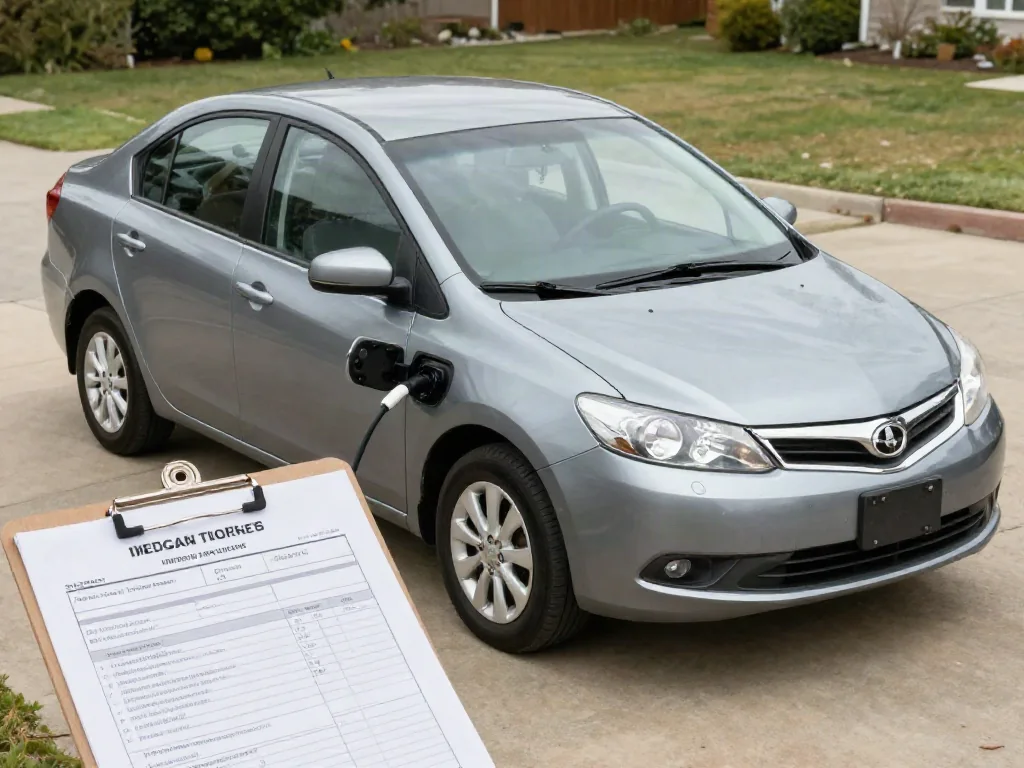
What is a salvage car title, and should it stop you from buying a car that looks like a bargain? A salvage title on a car shows that a state has recorded a serious loss, often a total loss. That brand affects whether you can drive the car, whether you can insure it and what it will be worth later. Check each of these before any money changes hands.
What a Salvage Title Means for a Vehicle
A salvage title is a title brand that a state places on a vehicle that meets its salvage criteria. Most often, this happens after an insurer declares the car a total loss. So what a salvage title means on a car depends on where the car was titled. States use different damage thresholds, formulas and terms, and there is no single nationwide rule. One state may brand a car that another state would not. Words such as salvage, junk or nonrepairable can also carry different legal consequences.
The brand records the car's legal status and loss history, not its present condition. It doesn't tell you whether the damage was cosmetic, structural or electrical, or how well the repairs were done. That's why a seller's promise that the salvaged title car runs and drives fine proves very little. A car that starts and drives smoothly around the block tells you nothing about crash protection, airbag readiness, registration eligibility or insurance eligibility. Records, inspections and state rules decide those.
How a Car Receives a Salvage Designation
A car can end up with a salvage title in several ways, depending on state rules and the circumstances. Collision damage is the most familiar route. Flood exposure, fire and theft recovery can also lead to a total-loss settlement and a branded title. A total-loss decision often comes down to money: the estimated repair cost and possible hidden damage are weighed against the car's value. Because the decision is financial, the label never says which parts were damaged. A lightly damaged older car and a badly wrecked newer one may carry the same brand.
Working out what happened takes documents. The title shows the brand and sometimes where it came from. Insurer loss records, auction photos and repair invoices can show the point of impact, a water line or a burned area. Expect gaps, because photos may be missing and invoices may not match the work that was done. Also read the exact wording on the title. A nonrepairable, parts-only or similar designation may permanently bar the car from road use. Check your state's rules before treating any branded car as a rebuild candidate.
When a Salvage Car Can Return to Public Roads
So can you drive a salvage title car? Generally, a car that still has a salvage title can't be registered for normal road use until it completes the state's rebuild process. That process often calls for documented repairs, receipts for major parts and an inspection. The state then issues a rebuilt or equivalent title, followed by registration and proof of insurance. Requirements differ by state, and finishing the paperwork doesn't guarantee approval. Confirm each step with the titling agency before assuming the car will ever be street legal.
Passing a state title inspection is not the same as a safety certification. These inspections may focus on the car's identity, checks for stolen parts and documentation. They don't necessarily check weld quality, frame alignment, airbag readiness or every repair. Before any test drive, confirm that the car is legally allowed on the road and is registered and insured. If it isn't, move it on a trailer or through a licensed hauler instead of driving it on public streets.
What to Confirm Before Insuring the Car
Can you insure a car with a salvage title? It depends on the car's current title status, your state's requirements and each insurer's rules for what it will cover. Insurance for road use is usually tied to registration, so a car still titled as salvage may not qualify until it is rebuilt and re-titled. When you ask for quotes, disclose the title brand up front and give the VIN. If you hide the brand, you risk a denied claim or a canceled policy once the insurer checks the car's history.
Confirm liability, collision and comprehensive coverage separately, because an insurer may offer one and decline the others for a branded car. Ask whether it needs photos, an inspection or repair records before the policy starts. Then ask how it would value the car in a claim, which deductibles apply and whether prior damage is excluded. Also ask how it would settle a total loss on a car that has already been totaled once. Get these answers in writing before you commit to buying the car.
Records and Inspections to Request Before Buying
Before buying a car with a salvage title, check that the VIN on the dashboard, the door-jamb label and the title all match. Confirm that the seller is the legal owner named on the title. Check for open liens, because a lender's claim can block the transfer. Read the full title designation yourself rather than relying on the seller's summary. Then compare the title history, any vehicle history report, the loss photos and the repair invoices. History reports can be incomplete, so look for unexplained gaps, mismatched dates or repairs that don't match the recorded damage.
Get a prepurchase inspection from an independent professional qualified for the type of damage on record, such as a collision specialist for structural repairs. Restraint systems deserve close attention, including airbags, seat belt pretensioners and their sensors. After a flood, corrosion and wiring are major concerns. Also understand title washing. Moving a car through states with different branding rules can produce a title that looks clean. An unbranded title or an out-of-state transfer doesn't prove the car was never damaged, so rely on records and physical evidence.
Ownership Costs and Reasons to Walk Away
A low asking price is only the start of the cost of buying a salvage title car. A realistic budget adds transport, title fees, required inspections, parts and labor for the documented repairs, and insurance. Set money aside for problems that show up after purchase, since hidden damage may only appear once parts are taken apart. Confirm financing early too. Some lenders restrict loans on branded titles or change the terms, so get approval for the specific car and title brand before you put down a deposit.
Think about selling the car later, too. The brand usually stays with the car, you may be legally required to disclose it when you sell, and buyers and dealers often pay less for branded cars. That makes its future value hard to predict. Walk away if ownership documents are missing or the damage records don't match the car's condition. The same goes if the seller refuses an independent inspection, safety concerns remain unresolved, or there is no confirmed path to registration and insurance. A salvage car can make sense, but only when the evidence supports it.