Rebuilt Title Cars: Meaning, Buying Risks, and Essential Checks
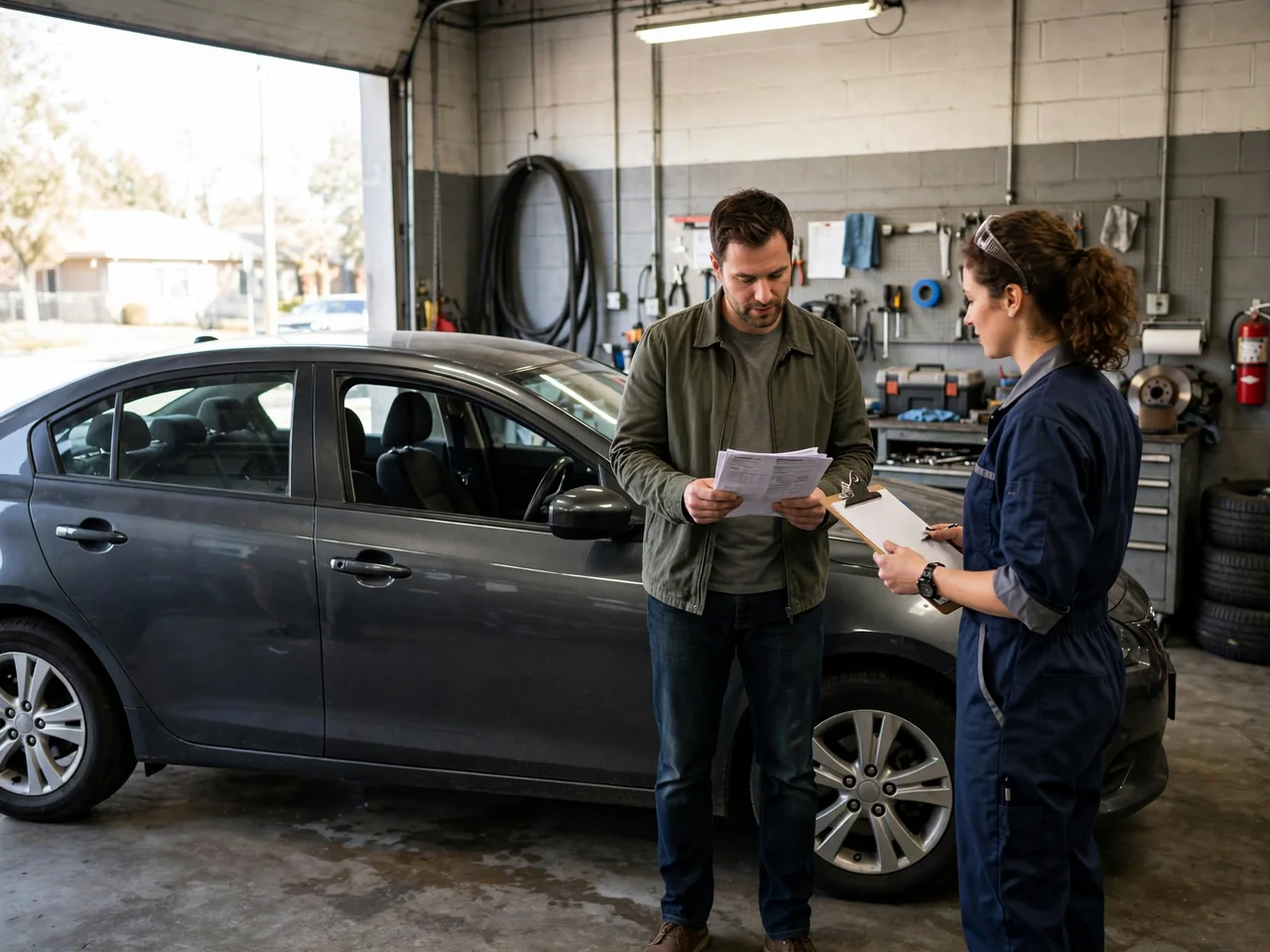
A rebuilt title means a car was once declared a loss and later cleared to return to the road. That history can lower the price, but it also shifts more of the checking onto you. Knowing what the brand records, what it leaves out, and how to confirm insurance, financing, and registration will help you judge a specific vehicle fairly.
What a Rebuilt Title Means for a Car
A rebuilt title is a brand a state places on a vehicle's title record. It's generally applied after a car previously branded as salvage completes the process that state requires to return it to road use. The salvage brand usually follows an insurer or owner declaring the vehicle a total loss. The word rebuilt describes the car's paperwork status, not its hardware. It doesn't mean the engine was overhauled or the whole vehicle was rebuilt.
A total-loss designation can come from collision damage, flooding, theft recovery, hail, fire, or other circumstances, and the rebuilt brand alone usually doesn't tell you which one applied. A car recovered after theft with minor stripping can carry the same wording as one repaired after a severe frontal crash. Terminology, inspection requirements, and registration eligibility also depend on the issuing state and on the state where you plan to register the car.
How to Interpret a Reconstructed Title
Some states use reconstructed to describe a vehicle restored after salvage, which makes it roughly equivalent to a rebuilt brand elsewhere. Others apply the term more broadly, covering vehicles assembled from multiple sources or significantly altered from their original configuration. Before drawing conclusions, check how the issuing state defines the term. Then trace the vehicle's actual title history, including any earlier brands from other states. That sequence often reveals more than the current wording does.
If you live in a different state from the seller, confirm how your motor vehicle agency will record the brand and which documents it requires for registration. Some destination states carry the brand forward under their own terminology or require an additional inspection before issuing plates. However it's defined, the word reconstructed can't tell you the type of damage involved, the quality of the repair, or whether the car is a sensible purchase.
What the Title Establishes About Safety and Condition
Completing a state title process doesn't guarantee that anyone tested the vehicle thoroughly. Depending on the state, the required examination may focus on confirming the vehicle's identity, checking that major parts came from legitimate sources, and reviewing receipts. Safety requirements range from limited to more detailed. A passed inspection shows only that the car met that state's checklist on that day. It doesn't certify structural alignment, crash performance, or how long the repairs will hold up.
Problems can remain after a title is issued, including unresolved structural damage, intermittent electrical faults, hidden water intrusion, and airbag or seat belt concerns. These usually need a specialist with proper equipment, not a casual look. A clean exterior, a short test drive, and a dashboard without warning lights can't prove the repairs were done well. A warning light may be off because a fault comes and goes, and fresh cosmetic work can hide problems underneath the panels.
Records to Request From a Rebuilt-Title Seller
Start with ownership. Ask to see the current title, the seller's identification, and a lien release if a lender was ever involved. Check that the VIN on the title matches the vehicle and every supporting record. Next, ask for the original explanation of the loss, any damage photos taken before repairs, repair invoices, parts receipts, and the state inspection paperwork. The photos are especially useful because they show which areas were damaged and where an inspector should look most closely.
A vehicle history report can help trace title brands, reported accidents, odometer readings, and ownership changes across states. Its records may be incomplete, though, because not every event gets reported. Treat it as one piece of evidence alongside the seller's documents. Pause the sale if the seller's accounts of the damage conflict, ownership papers are missing, the seller pushes for fast payment or a large deposit, or the seller refuses an independent inspection. Each of these warning signs shifts more risk onto you.
Arrange an Independent Inspection Before Committing
Choose a qualified shop that has experience evaluating repaired salvage vehicles. Give the inspector the damage photos and repair invoices so the inspection can focus on the damaged areas. Depending on the history, the evaluation may cover structural repairs, corrosion or signs of water intrusion, steering, suspension, brakes, electrical systems, and airbags and seat belts. After significant collision damage, the inspection may also call for documented alignment or frame measurements, diagnostic scans, and proof that any required driver-assistance calibrations were done.
Your own checks should stick to what you can easily see and smell: uneven panel gaps, mismatched paint, musty or damp odors, visible fluid leaks, and warning lights. These clues are reasons to ask questions, but they can't confirm a diagnosis. Stored fault codes are also evidence to interpret, not proof that a part has failed. Ask for a written findings report, and resolve any safety concerns it raises before a road test or purchase goes ahead.
Confirm Insurance, Financing, and Registration Eligibility
Before paying a nonrefundable deposit, get an insurance quote for the exact VIN with the title brand disclosed. Coverage availability and requirements vary among insurers, so ask specifically about liability, comprehensive, and collision coverage, any required inspection or photos, and any exclusions. Also ask how the insurer would value the car after a covered loss. A rebuilt history may affect that value, and understanding the insurer's method matters more than any estimated figure.
Whether a lender will finance the car, and on what terms, may also depend on its title history. Confirm that your lender will finance this specific vehicle before you count on a loan. Some buyers learn too late that their loan approval doesn't cover branded titles. Finally, check your state's transfer and registration requirements, including any extra documents, fees, or inspections. Knowing every step from purchase to plates keeps you from owning a car you can't legally drive.
Decide Whether the Purchase Fits Your Budget and Needs
A rebuilt-title vehicle can be a workable purchase when its condition, documented repairs, eligibility, and total cost meet your needs. Build your budget around more than the asking price. Include taxes and fees, insurance premiums, any repairs the inspection found, and a reserve for problems that surface later. Think about resale too. Future buyers may share your concerns, so keep every repair invoice and inspection report, because clear records can make the car easier to sell.
Set your purchase conditions before negotiating: a believable history, good independent inspection results, confirmed insurance coverage, and a clear path to ownership and registration. If any condition isn't met, a lower price rarely makes up for it. Walk away if the quality of the repairs is still in doubt, key records conflict, or the seller blocks meaningful checks. Another rebuilt car or a clean-title alternative will likely come along, and waiting costs less than inheriting someone else's unresolved damage.