Buying a Car Without a Title: Risks and How to Get One Later
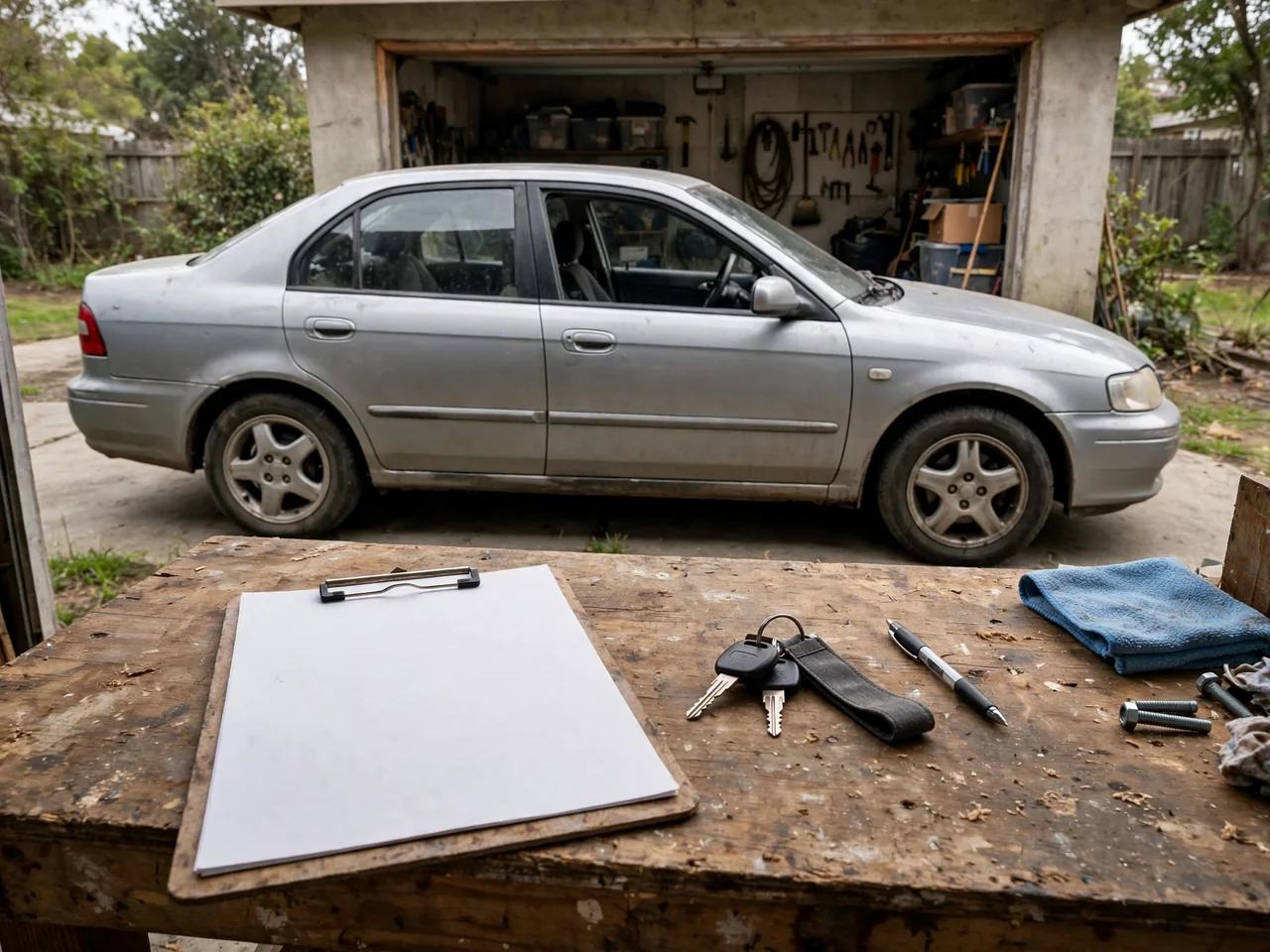
Buying a car without a title is a high-risk transaction because the title is the state's primary proof of ownership. A car with no title may still be transferable in some situations, but paying first does not guarantee you can register the vehicle or obtain a title later. Before you buy a car with no title, confirm why the document is missing and whether your motor vehicle agency will accept a lawful transfer path.
What a Missing Title Means Before You Agree to Buy
Whether buying a car without a title can be completed legally depends on state requirements, the vehicle's current status, and whether the seller has authority to transfer ownership. A missing title is not a single problem. Paperwork may be lost, the record may exist only as an electronic title, a lender may still hold the title, a title exemption may apply, or the gap may signal an unresolved ownership dispute. Each of those reasons leads to a different transfer path, and some paths are not available to a private buyer.
Possession of the car, the keys, or a bill of sale does not by itself prove that the seller can transfer clear ownership. Those items show control of the vehicle, not the state's recognition of who may assign it. Confirm an accepted ownership-transfer route with the relevant state motor vehicle agency before you pay. Obtaining a title for a car without one is a later process, and success is not guaranteed. If the agency will not outline a workable path, walking away is safer than hoping registration will fix a car with no title.
Ownership Checks and Reasons to Pause the Purchase
Before you buy a car with no title, match the seller's identity and claimed authority to available ownership records. If the vehicle is being sold by an estate, a business, or another representative, ask for documented authority rather than relying on a verbal explanation. Compare the VIN on accessible identifiers with every document presented. Unexplained discrepancies between plates, labels, paperwork, and the seller's story are a reason to stop. A listing with no title for the car can still be legitimate, but only when the records and the person in front of you line up.
Unresolved liens, theft records, undisclosed title brands, and missing prior ownership transfers can block a valid assignment or later road registration. A lien release may still be obtainable, but an unpaid loan or a branded history can follow the VIN even when the seller hands over keys. Pause if anyone asks you to leave buyer information blank, skip a prior owner, alter documents, or accept a promise that registration will resolve ownership. Those requests treat paperwork as a formality. Ownership records are not optional, and a later application cannot quietly repair a broken chain.
When Registration May Be Possible Without a Paper Title
Whether you can register a car without a title is not the same question as whether you already own it. Title and registration serve different purposes. Registration authorizes road use under state rules; it does not automatically cure a defect in ownership. Do you need the title to register a car? In many cases the agency still requires proof of ownership, even if that proof is not a paper certificate in the buyer's hands. Treating registration as a substitute title process is a common and costly mistake.
An electronic title or an agency-managed lender process may allow you to register a car without the paper title, subject to that state's requirements and any remaining security interest. Some jurisdictions also accept specified ownership documents for qualifying older vehicles or other exempt categories, but there is no universal age cutoff. How to register a car without a title therefore depends on your state, the vehicle category, the prior jurisdiction, and the ownership history. Do not assume a bill of sale is enough. Confirm registration eligibility before you count on plates.
Legitimate Routes to Obtain a Missing Title
If the recorded owner is available, the cleanest path is often a duplicate title followed by a properly documented transfer. The owner typically requests the replacement from the issuing agency, satisfies any identification and fee requirements, and then assigns the vehicle according to that state's process. When a lender is involved, a lien release is usually required before the title can move. Getting a title to a car without one is simpler when the named owner cooperates. Without that cooperation, a private buyer may have no ordinary assignment to file.
A bonded title is a possible route only where a state authorizes it and the vehicle and applicant qualify. The bond is a financial assurance, not a wipe of every competing claim. Estate documents, court orders, or other agency-approved ownership procedures may be required for particular circumstances and must be reviewed by the motor vehicle agency, not invented at the curb. Applicants should gather purchase documentation, prior ownership records, VIN verification, and lien information. Those records support review; they do not promise approval or a fixed timeline when you apply for a title the vehicle currently lacks.
Steps to Resolve Paperwork After You Already Bought the Car
If you already bought the car and there is no title, preserve the bill of sale, payment records, seller communications, and every vehicle document you received. Then ask the motor vehicle agency for a case-specific requirements list rather than guessing which form applies. Contact the seller and request cooperation on a duplicate title, missing signatures, or other required ownership documents. Do not alter, complete blank fields after the fact, or backdate paperwork. Correcting a missing assignment is possible only when the evidence remains accurate and complete.
Complete the approved ownership process first, then meet applicable registration requirements, which may include insurance, inspections, taxes, and fees. A receipt or a pending title application does not authorize road use. If the agency rejects the available ownership evidence, you may need to seek a refund from the seller or appropriate legal assistance rather than driving the vehicle anyway. Deals involving a car without a title often stall at this stage because the buyer assumed plates would follow payment. Keep the car stored legally until the agency confirms what, if anything, it will issue.
Buying a Junk Car Without a Title
A plan to buy a junk car with no title is not the same as buying a vehicle already branded salvage, junk, nonrepairable, or slated for destruction. Those official designations carry legal consequences that a missing paper title does not. Check the exact status in motor vehicle records and any salvage documentation before money changes hands. Purchases for dismantling, scrap, or parts still require ownership documentation and may involve licensed dismantler or recycler rules. Informal cash deals do not excuse those requirements.
Certain designations prohibit future road registration. Buying the vehicle does not create eligibility to obtain a road-use title, even if the body still looks restorable. Confirm lawful transfer documents, intended-use eligibility, and legal transport arrangements before paying for a vehicle that cannot be driven. A no title car destined for parts still has to leave the seller's property in a manner that matches its status. If you cannot verify those points, the cheaper asking price is not a bargain.