Buying a Used Car Without a Title: Risks, Red Flags and Fixes
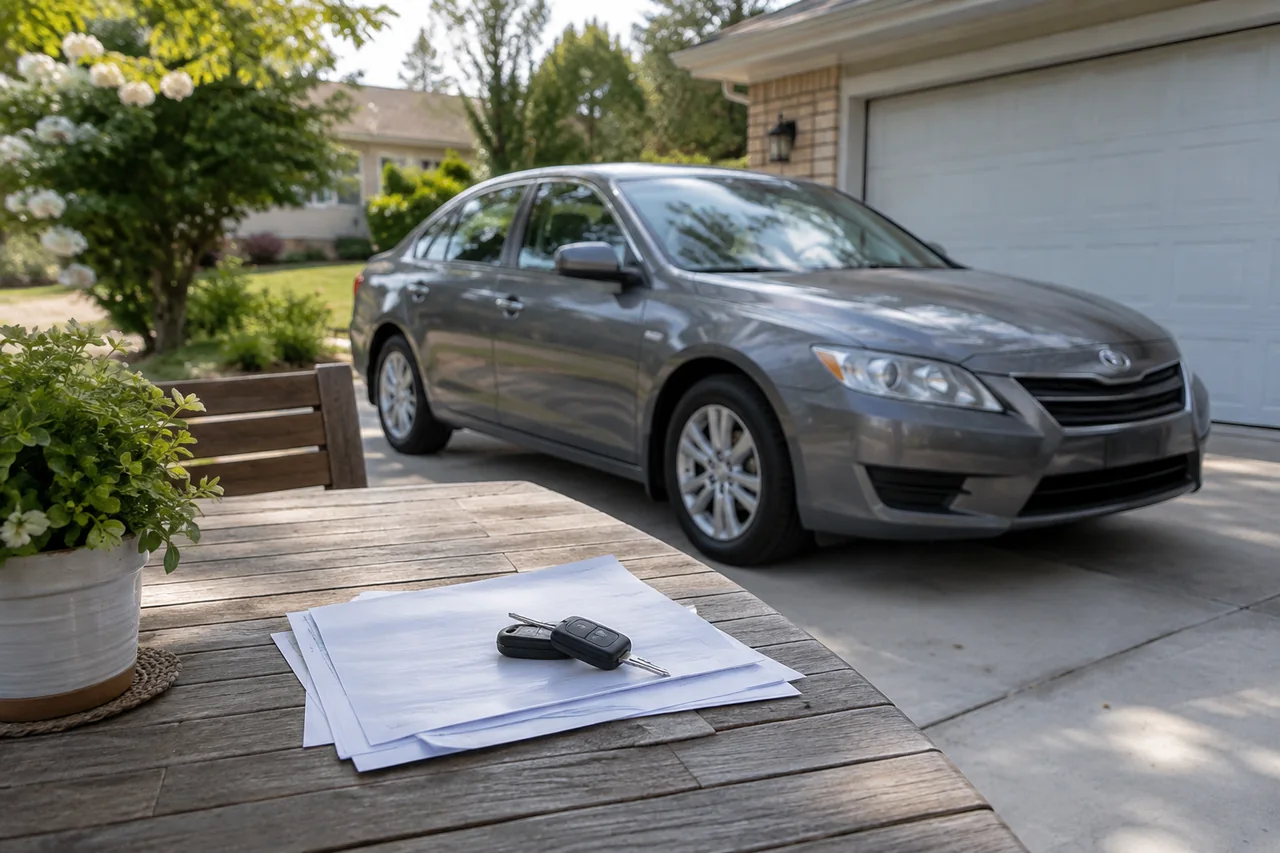
A missing title changes what you can do with a used vehicle. The title is the state's ownership record, and a car sold without title often cannot be registered, insured, financed, or resold until that record is corrected. Buying a used car without title is sometimes explained by a lost paper, an electronic title, or a lender hold, but those stories still need proof. Confirm transfer rules with the motor vehicle agency that will issue the next title.
What a Missing Title Means for Your Purchase
A title is the state's record of who owns the vehicle and who may transfer it. When you purchase a car without title, a bill of sale can show that money changed hands, but many agencies still will not treat that paper as enough proof of ownership to issue a new title or complete registration. Purchasing a car without a title therefore often leaves you unable to put plates on the car, obtain ordinary insurance arrangements, or use the vehicle as collateral. Later resale meets the same ownership gap.
Not every car without title is in the same legal position. Some states exempt certain older vehicles from title requirements, but you still must use the documents the agency lists for that vehicle and transaction. The motor vehicle agency in the state where you will register the car is the office that should confirm what transfer papers it will accept, including when the vehicle last titled in another state. Out-of-state paperwork can be valid, but the receiving state decides whether it is complete enough for a local title.
Check the Seller's Explanation and Authority to Sell
A seller may say the paper title is lost, that the state uses an electronic title, or that the vehicle is part of an estate. Those explanations can be genuine, yet still need documents before payment. Ask for the duplicate title application, the electronic title printout or transfer authorization, or the probate and executor papers before money moves. Match the seller's identity to the name on the ownership records, and match the vehicle identification number on the car to every document you are shown. A mismatch in either place is a reason to stop.
Title jumping is the practice of skipping a required transfer so a later buyer never appears in the state's chain of ownership. Unexplained gaps between recorded owners, altered documents, pressure to pay immediately, and a promise that getting a title will be easy after the sale are warning signs, especially when the current seller also took a car sold without title. A vehicle history report can show brands, odometer readings, and some lien notations, but it cannot prove the person in front of you has authority to sell, and it cannot guarantee that a state will issue you a title.
Resolve an Outstanding Lien Before Completing the Sale
Buying a used car with a lien means a lender still has a recorded interest in the vehicle. That lender may hold the paper title or may record the lien on an electronic title. Paying the seller does not automatically produce a lien release, and the interest can remain on the state's record after you drive away. Confirm the lienholder through the title record or the motor vehicle agency, then contact that lender yourself to verify the payoff amount and the release procedure. Do not rely on a seller-quoted payoff.
A safer closing is a documented transaction coordinated with the lienholder. Ask who must receive the payoff, whether the lender will mail the title or complete an electronic transfer, and how you will receive transferable ownership documents once the lien is cleared. If the lien remains unresolved, or if the seller only promises to pay off the loan after taking your money, pause the purchase. An unpaid recorded interest can block a clean title even when you hold a bill of sale and the car.
Understand Salvage Brands and Registration Restrictions
Buying a used car with a salvage title means the vehicle carries a salvage brand, often after an insurer treated it as a total loss from collision, flood, or theft. Possession of that salvage title shows a recorded history, not a right to drive the car on public roads. Some states require inspections, photographs, receipts, and a rebuilt or reconstructed title before registration. Check those inspection, documentation, and title rules with the registering state before you treat a salvage vehicle as transportation. Until the state says it is eligible, use may be limited to storage.
A rebuilt brand means the state accepted a later inspection packet, not that the repairs were done well. Have an independent professional inspect structure, airbags, electrical systems, and flood traces, and confirm that insurance is available before you buy. Junk, nonrepairable, or similar designations can be a barrier to road registration; eligibility is decided by the state that would issue plates, and another state's rebuilt paper does not always convert. If the brand cannot be cleared for highway use, the car may have value only as parts or an off-road project.
Arrange Legal Transportation When the Car Has No Plates
Buying a used car without license plates is a separate question from whether the seller can transfer ownership. Plate retention and transfer rules vary by state: some owners keep plates, some plates stay with the vehicle, and some plates are surrendered at sale. Missing plates alone do not prove a title problem. Before you drive the car away, confirm whether you need a temporary permit, current registration, and insurance that covers that trip. Temporary registration authorizes limited operation; it does not replace the ownership papers the state will later demand.
A temporary permit does not repair a missing title, and it does not guarantee that the agency will later issue you one. If you cannot obtain the ownership documents and the operating authority required to drive legally, arrange lawful vehicle transport instead of moving the car on public roads. Towing or shipping keeps you from operating an unregistered or uninsured vehicle while you wait on paperwork. Do not accept a seller's leftover plates as a workaround; using plates that are not assigned to that vehicle or to you can create a separate legal problem on top of the title gap.
Title Options After a Car Has Already Been Sold
The cleaner path is still to finish paperwork before payment. Have the recorded owner obtain a replacement title or complete an authorized electronic transfer so you receive transferable proof of ownership at closing. If the purchase already happened, keep the bill of sale, payment records, seller messages, and any ownership documents you were given, then contact the state motor vehicle agency for the process that fits those facts. A duplicate title is generally requested by the eligible recorded owner or an authorized party. A buyer's receipt does not, by itself, let you apply for that duplicate in the owner's name.
Some states offer a bonded title, a court order, or another authorized path when the ordinary chain of documents is broken. Those options are conditional: eligibility, evidence, bond amounts, waiting periods, and outcomes must be confirmed with the agency before you spend money on forms or a surety bond. If the seller already handed over the vehicle, ask for cooperation on a lawful title correction and any sale notice the state requires. When ownership is disputed or the seller refuses to help, get legal assistance rather than trying to force a transfer the records will not support.