Buying a Used Car Online or Out of State Without Seeing It
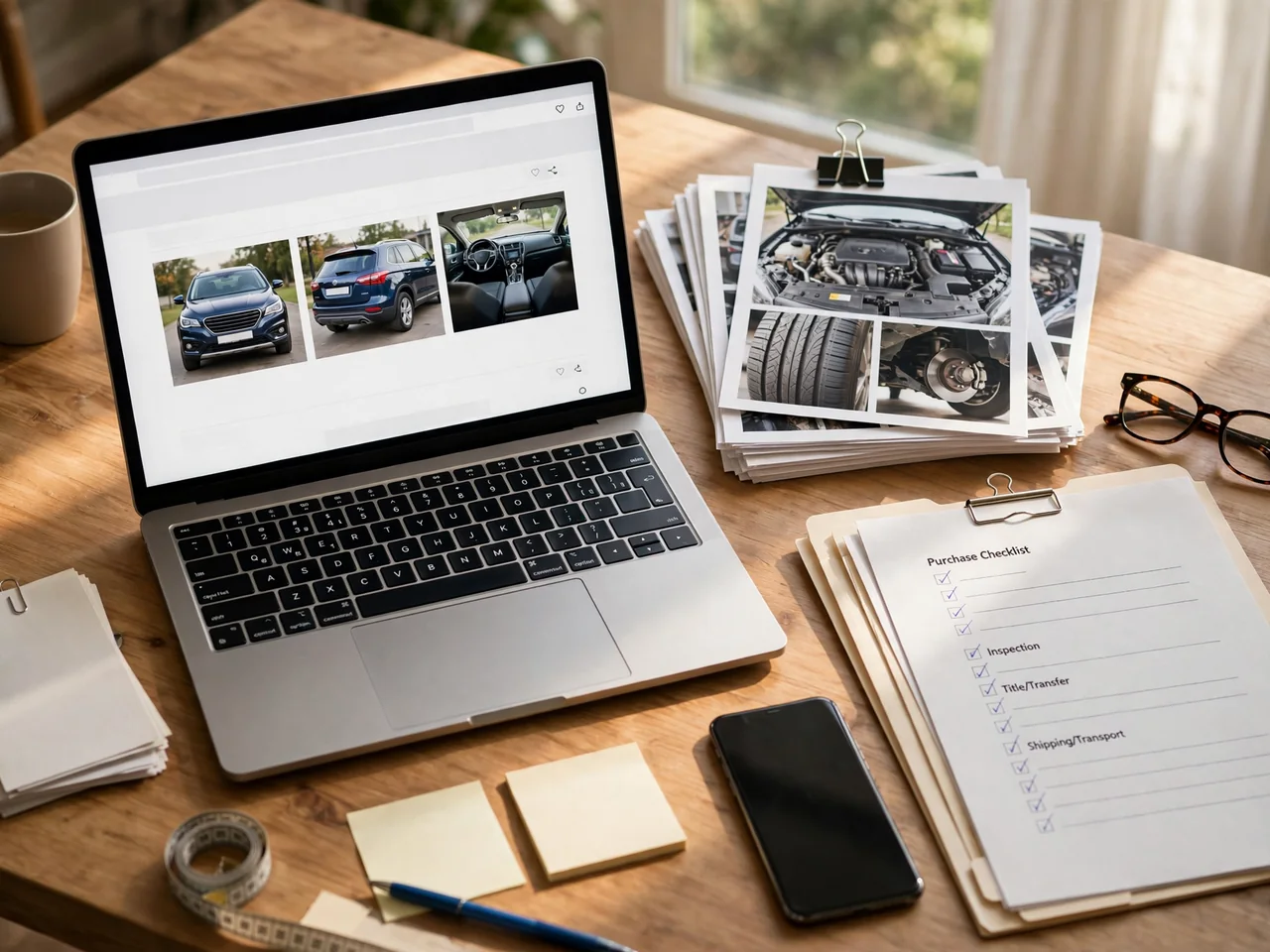
Buying a used car online widens your choices, but buying a used car without seeing it shifts more of the checking onto you. Whether you are buying a used car online out of state or from a seller a few hours away, the same rules apply. Confirm who is selling, prove the car matches its paperwork, get an independent inspection, and put every term in writing before money or keys change hands.
Establish the Seller’s Identity and the Car’s Availability
Start by confirming exactly who you are dealing with. A dealer should have a business name, physical address, and license information you can check with the state that issued it. A private seller's name should match the owner shown on the title. Ask where the car is right now and whether the seller holds the title, still owes a lender, or is selling for someone else. A seller who has no authority to transfer ownership cannot deliver a clean sale, no matter how convincing the listing looks.
Before committing money, ask for the vehicle identification number, a current odometer reading, written condition disclosures, and an itemized quote that separates the price, documentation fees, and any add-ons. Take warning signs seriously: photos that also appear on other listings, pressure to pay today to hold the car, or instructions to send money to a person or company unconnected to the seller. Any of these is a reason to stop and verify. A marketplace listing or verified-seller badge does not by itself prove ownership, condition, or any payment protection.
Verify the Vehicle Through Documents and Live Video
When buying a used car long distance, a live video walkaround is the closest you can get to standing beside it. Ask the seller to show the VIN plate and door-jamb label, the odometer with the engine running, each body panel in daylight, the interior, and the dashboard at startup so the warning lights come on and then go out. Have them zoom in on any disclosed damage. Then compare the VIN, year, and trim across the listing, the title documents, and the draft paperwork, and resolve every mismatch before you pay.
A vehicle history report and service records give useful leads, such as reported accidents, title brands, ownership changes, and past mileage readings. But they only capture events that someone reported. Unreported collisions, skipped maintenance, and the car's present condition may not show up at all. Video has limits too. It cannot show how the transmission shifts under load, whether the steering pulls, what odors linger in the cabin, or how much rust is hiding under the floor and inside the frame rails. Remote evidence should lead to an in-person inspection, not replace one.
Arrange an Independent Inspection Near the Seller
An independent pre-purchase inspection is your strongest protection when buying a used car from out of state. Choose a qualified mobile inspector or repair shop near the seller yourself rather than one the seller recommends. Before you place any nonrefundable deposit, confirm that the seller will allow access, including a lift or road test if needed. Ask for a written report with photos, diagnostic scan results where appropriate, and a road test when it is safe and permitted.
Spell out what the inspection covers. The inspector should look for signs of structural repair, fluid leaks, tire wear and age, brake condition, underbody rust, and worn suspension parts. Add checks suited to the powertrain, such as the cooling and charging systems or, on a hybrid or electric vehicle, battery-related warnings. A stored fault code is a clue to investigate, not proof that a part has failed. Some areas can't be reached and intermittent faults may not appear, so get professional follow-up on anything concerning, and walk away if the seller refuses inspection access.
Set Written Purchase, Deposit, and Payment Terms
Put the deal in a purchase agreement. It should identify the vehicle by VIN, show the total price with every fee, list included items such as spare keys and manuals, record known condition disclosures, and state who is responsible for delivery. It should also say whether your deposit is refundable, what inspection contingency lets you cancel, and the exact terms of any return policy or warranty. Don't assume buying a used car online comes with a right to cancel. Many sales are final unless the contract says otherwise.
Check the title status before paying, because a salvage, rebuilt, or flood brand affects the car's value, whether you can insure it, and how you register it. If a lender still holds a lien, agree in writing how the payoff will be made, when the lien release will be issued, and how the title will reach you. Wire transfers and payment apps are hard to reverse, so confirm payment instructions by calling a number you found yourself, not one from an email. If you use escrow, contact the provider directly instead of following a link from the seller.
Prepare the Paperwork for an Out-of-State Purchase
Before pickup or shipment, confirm you will receive a properly completed and signed title, a bill of sale, an odometer disclosure where one is required, and a lien release if the car was financed. Small errors such as a missing signature, incorrect mileage, or an unreleased lien can hold up titling for weeks. When the whole purchase happens online across state lines, ask for scanned copies of each document and review them before the originals are mailed.
When buying a used car out of state, the rules for sales tax, title processing, registration, and emissions or safety inspections depend on the states and the type of sale. Confirm the requirements directly with the motor vehicle and tax agencies in your home state and, where relevant, the seller's state. Ask whether a dealer will file paperwork or collect tax for you and what you must file yourself. Have insurance start when ownership transfers or before the car moves, and ask whether you need a temporary permit to drive it legally.
Arrange Transport and Check the Car at Handoff
Compare auto transport quotes on more than price. Confirm pickup and delivery windows, the name of the carrier actually moving the car (not just the broker), whether a large truck can reach each address, the total charge including all fees, and who is responsible for delays. Get the carrier's insurance coverage in writing, including exclusions, deductibles, and how to file a damage claim. If you plan to drive the car home instead, confirm it is roadworthy, insured, and has valid plates or a permit for the route, and consider any unresolved inspection findings before a long trip.
A delivery condition report records the car's condition at pickup and at delivery. Walk around the car with the driver both times, photograph every panel, and note any new damage before you sign. Report problems promptly using the carrier's written process. Confirm you have received all keys, the agreed accessories, and the ownership paperwork. Keep the listing screenshots, purchase agreement, inspection report, and payment records together. They support any claim, title question, or dispute that comes up after the car arrives.