How to Avoid Scams and Lemons When Buying a Used Car
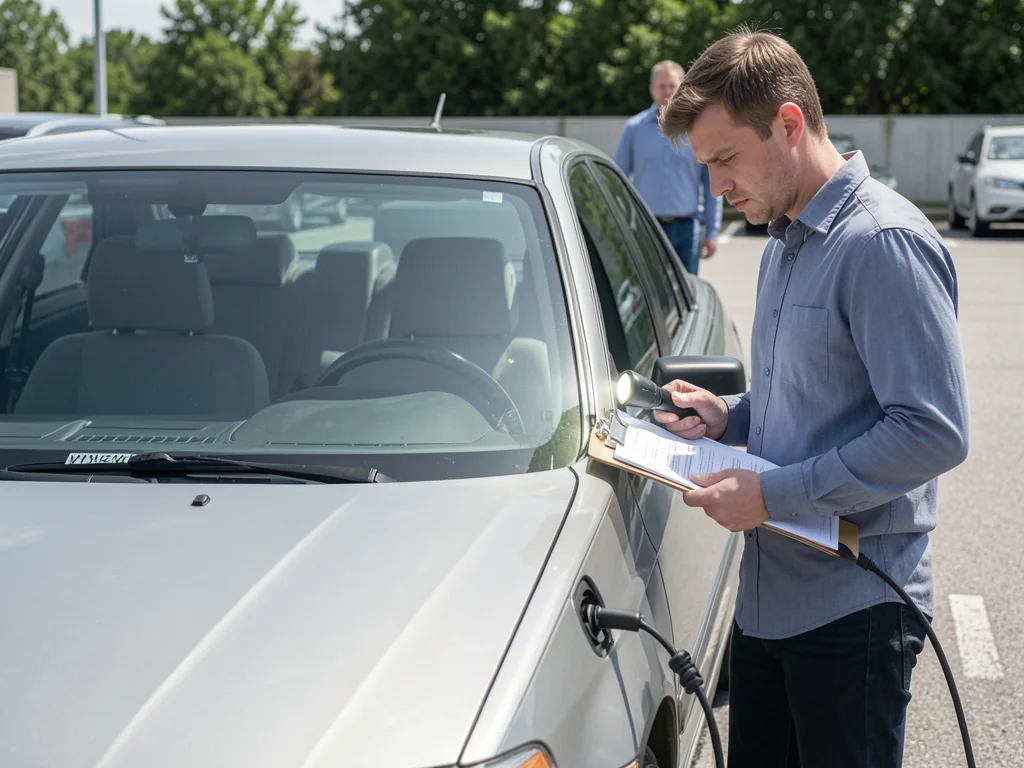
Shopping for a used car can save money, but it carries risks from scams, hidden damage, and dishonest sellers. Red flags when buying a used car are easy to miss if you focus on price alone. A too-good listing, a pushy seller, or a missing history report can turn a deal into a costly mistake. Knowing what to avoid when buying a used car helps you dodge title washing, odometer rollback, curbstoning, and lemons. Use the do's and don'ts below, verify the car and seller carefully, and get a pre-purchase inspection to protect yourself.
Red Flags in Used Car Listings and Seller Behavior
A used car priced far below comparable listings is often the first warning sign. Legitimate sellers know market value; an unusually low price may hide flood damage, a rebuilt title, or urgent mechanical defects. Look closely at photos. Stock images, recycled pictures from other ads, or photos taken at odd angles can indicate the seller never had the car. Vague descriptions such as “runs good” or “needs minor work” without specifics are also reasons to be careful. A missing or blurry VIN in the listing prevents you from checking a vehicle history report before you spend time on a showing.
Seller behavior matters as much as the car. Pressure to decide quickly, claims that another buyer is on the way, or refusal to meet at a safe public location or a verifiable home address can signal a curbstoner or a scam. Never send a deposit before viewing the car. Requests for wire transfers, gift cards, cryptocurrency, or a third-party escrow service you did not choose are payment red flags. The seller's name on their ID should match the name on the title. A mismatch may mean they are an unlicensed dealer flipping a car or that the title has a lien. One red flag alone might have an innocent explanation, but several together are a strong reason to walk away.
Common Used Car Scams: Title Washing, Odometer Fraud and Curbstoning
Title washing is a fraud that hides a salvage, flood, or rebuilt brand by moving the car to a state with weaker title branding rules and retitling it. A vehicle history report and a close read of the physical title can reveal inconsistencies, such as an out-of-state title that does not match the car's history or a brand that was removed. Odometer fraud is another common scam. Cross-check mileage by comparing service records, inspection stickers, history report entries, and visible wear on the pedals, seats, and steering wheel. Wear alone is not proof, but a five-year-old car showing 20,000 miles with a worn brake pedal and a service record from two years ago listing 80,000 miles deserves suspicion.
Curbstoning happens when an unlicensed dealer poses as a private seller to offload a problem car and avoid consumer protection laws. Signs include multiple cars listed under the same phone number, a seller who meets you in a parking lot, or a title that is not in the seller's name. Other schemes use fake escrow or shipping services, cloned VINs from a clean car placed on a stolen one, or undisclosed liens that leave you responsible for the previous owner's debt. Check the VIN on the dashboard, door jamb sticker, and paperwork for consistency. History reports are helpful but can be incomplete; a clean report is not proof that a car has no problems, only that no problem was reported to that database.
How to Avoid Buying a Lemon Used Car
Even a car that looks clean can be a lemon. Hidden mechanical or electrical faults, prior accident or flood damage, deferred maintenance, and open safety recalls are the main risks of buying a used car. The best protection is a pre-purchase inspection by an independent mechanic you choose, not one recommended by the seller. A seller who refuses to allow an inspection or insists on a short test drive around the block is likely hiding something. The inspection should include a lift to check for corrosion, accident repair, and leaks, plus a scan for stored diagnostic trouble codes.
During a test drive, start the car cold and observe the first moments. Warning lights that stay on, unusual noises, smoke, or smells like burning oil or coolant are red flags. Vibration, pulling to one side, or a transmission that shifts harshly can point to costly repairs. Check for open recalls by entering the VIN into official manufacturer and NHTSA recall databases; open recalls mean a defect has not been fixed. Ask for maintenance records to see if oil changes, timing belt service, and other scheduled work were done. You cannot judge everything yourself. An intermittent problem or a check-engine light may need professional testing, not guesswork, so use the inspection and records together before deciding.
Do's and Don'ts of Buying a Used Car
Before you visit a seller, do research the model's reputation for reliability, insurance costs, and common failures. Set a budget that includes taxes, registration fees, insurance, and a reserve for likely repairs in the first year. Get financing preapproval from a bank or credit union before visiting a dealer, so you know the rate and total cost you will pay. When you are ready to sign, read every document carefully. At a dealer, the federal Buyer's Guide sticker must tell you whether the car is sold as-is or with a warranty. If it says as-is, the dealer has no obligation to fix anything after the sale unless required by state law.
Do not sign blank or incomplete forms, do not rely on verbal promises that are not written into the contract, and do not hand over full payment before you receive a properly signed title in the seller's name. A salesperson may steer the conversation to monthly payments only, hiding the real cost of add-ons and a long loan term. Focus on the total out-the-door price, the interest rate, and the number of months. Keep copies of the bill of sale, title, ads, text messages, and the inspection report in case a dispute comes up later. These do's and don'ts of buying a used car can prevent most common scams and financial traps.
What Not to Do When Buying a Used Car
Skipping the pre-purchase inspection or test drive to save time is a classic mistake. A car can look perfect in photos and still have a failing transmission, a cracked head gasket, or an intermittent electrical fault. Without a mechanical check, you are buying on faith. Buying sight unseen from an unfamiliar seller is even riskier, especially when the car must be shipped or paid for before anyone sees it. Online auction platforms and social media listings are magnets for fake escrow and shipping scams. Never wire money for a car you have not seen in person and had inspected.
Sales tactics such as “another buyer is coming this afternoon” are designed to make you skip questions and inspection. Do not let add-ons you did not ask for, such as paint protection or an extended warranty you have not reviewed, be added to the contract at the last minute. Read the title carefully: a salvage, rebuilt, or lien notation may limit your ability to insure, finance, or resell the car. If you fall for a car emotionally, you will overlook warning signs. Before you sign, remember that walking away is always an option. The what not to do when buying a used car list is shorter: do not skip verification, do not rush, and do not ignore the paperwork.
What to Do If You Got Ripped Off Buying a Used Car
If you got ripped off buying a used car, gather every piece of evidence first. Save the ad, screenshots of messages, the bill of sale, title, inspection report, and any receipts. Write down a timeline of what the seller said and when. Contact the seller or dealer in writing, describe the problem, and ask for a specific remedy such as a repair or refund. Many disputes end at this stage, but keep a copy of every letter or email you send. If the dealer is unresponsive, you need to know what protections exist. Lemon laws usually focus on new vehicles, and used-car protections vary widely by state.
Check your state's consumer protection rules and motor vehicle agency for specific rights. Report fraud or dealer misconduct to the state attorney general's consumer protection office, the state dealer licensing board, and the motor vehicle agency. Suspected title washing or odometer rollback can also be reported to local law enforcement or the National Highway Traffic Safety Administration. You may have options like small claims court, mediation through the dealer licensing board, or talking with a consumer protection attorney, but no one can promise an outcome. If you suspect a pre-existing mechanical problem, get a professional diagnosis in writing. Documentation strengthens any complaint and helps you prove the seller knew about the defect before the sale.