Buying a Used Car From Another State: What to Know
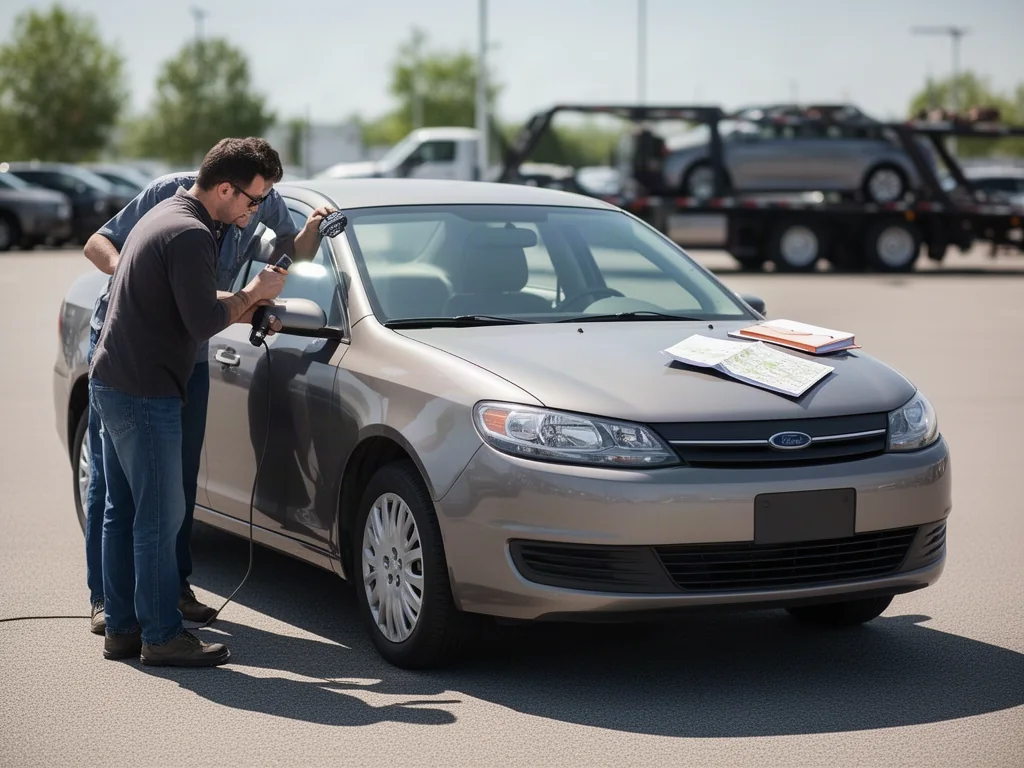
Buying a used car from a different state can open up a much larger selection of models, trims, and prices than shopping locally. However, it also introduces extra steps: you need to assess a vehicle you cannot easily see in person, move paperwork between two motor vehicle agencies, and arrange transport. Understanding the differences between buying a used car in another state and a local purchase helps you avoid surprises and protect your money.
Why Buyers Look Out of State and What Changes When You Do
Shoppers often expand their search across state lines to find a specific configuration, a lower-mileage example, or a color and option combination that simply is not available nearby. Dealers and private sellers in larger markets may also list attractive prices, but buyers should not assume an out-of-state deal automatically saves money once travel, shipping, and registration costs are added. The wider search works best when the target vehicle is uncommon enough to justify the extra effort and when the buyer can accept a slower, document-driven process.
A cross-state purchase changes the normal sequence. You cannot casually test drive the car, so you depend on remote inspection and third-party reports. Title transfer occurs across two jurisdictions, and your home-state motor vehicle agency sets the final registration requirements. A practical order is to research the specific car and its history, arrange an independent inspection, agree on the paperwork and price, then decide whether to drive the car home or ship it. Treating each step as a gate before sending money reduces the chance of a costly mistake.
Inspecting a Used Car You Can't See in Person
An independent pre-purchase inspection near the seller is the most useful tool for a remote buyer. You can hire a mobile mechanic or a shop to examine the car and send you a report with photos of the engine bay, suspension, brakes, tires, and underbody. A good report should note fluid leaks, rust, previous body repairs, tire tread depth, and any warning lights. Ask the inspector to check that the VIN on the dashboard matches the title and door jamb sticker, and to describe how the car starts, idles, and shifts.
Complement the inspection with live video and targeted photos from the seller. A cold-start video shows whether the engine fires cleanly before warming up. Ask for close-ups of the lower doors, rocker panels, and trunk floor where flood or rust damage often appears. A vehicle history report can reveal reported accidents, title brands, and registration locations, but it cannot catch unreported events or poor repairs. If the seller refuses an independent inspection or pressures you to send a deposit before the car is examined, treat that as a strong reason to walk away. When the stakes are high, flying to see the car yourself may be the only way to confirm that it matches the description.
Regional Risks: Flood, Rust and Climate Wear
Where a car has been driven and stored matters more than the state where it is currently advertised. A vehicle that spent years in a coastal or flood-prone region may have hidden corrosion even if it is now listed in a dry state. Ask for the registration history in the vehicle history report and look for clusters of time in humid or storm-exposed areas. The current seller's location can be misleading; a flood-damaged car can be moved and resold anywhere.
Physical clues of flood exposure include a musty or chemical odor inside, silt in the spare tire well or under the carpet, water lines on the inside of body panels, fine grit in electrical connectors, and fogged headlights or taillights with trapped moisture. Road salt creates a different pattern: flaky rust on the underbody, subframes, suspension mounts, and especially steel brake lines. An inspection on a lift is the best way to see this damage. Intense sun and heat can crack dashboards, dry out rubber door seals, and fade paint, particularly on vehicles from the desert Southwest. Rather than avoiding entire states, use regional risks as a checklist for the inspector and your own questions.
Is Buying a Used Car From Florida a Bad Idea?
A car from Florida is not automatically a bad purchase. The state has a large, active used-car market, and many vehicles there never see road salt, so underbody rust is often less severe than on northeastern cars. However, Florida's hurricane season and high humidity mean some vehicles have been exposed to flooding, and the intense sun can age interiors and paint. The key is not to reject every Florida listing but to check the specific car's history and physical condition carefully.
Review the title history for brands such as flood, salvage, or rebuilt, and remember that a car can be titled in one state after being damaged in another. A vehicle history report may show registration or title events in counties affected by major storms, but it will not always say "flood." A professional inspection should pay special attention to electrical connectors, under-dash wiring, seat tracks, and hidden body cavities for silt or corrosion. If the car is clean and priced fairly, Florida can be a perfectly reasonable place to buy a used car.
Buying Out of State From a Dealer
Some dealers handle out-of-state buyers regularly and can explain exactly what paperwork they provide, including temporary tags or transit permits, a bill of sale, and a signed title. Ask before you pay how they handle sales tax. Some dealers collect tax for your state and remit it, while others give you paperwork and expect you to pay at registration. Confirm this with your home-state motor vehicle agency, because a mistake can delay your plates or lead to an unexpected tax bill.
Get the full out-the-door price in writing, along with any dealer fees, and ask about return or cancellation terms if the car is delivered and does not match the description. Check whether any remaining factory warranty transfers and what documentation that requires. Your home state may have emissions or safety standards that a car from another region cannot meet without repairs, so verify that the specific vehicle complies before committing. Finally, verify the dealer's license and use a traceable payment method such as a wire transfer or cashier's check rather than cash or an irreversible app.
Title Transfer and Registration Basics Across State Lines
The general flow of an out-of-state title transfer is straightforward: the seller signs the title over to you, you take the signed title and other documents back home, and you apply for registration and a title in your name at your local motor vehicle agency. Commonly requested items include the signed title with the odometer disclosure, a bill of sale, proof of insurance, and your driver's license, but each state has its own list. Call your home-state agency before you buy to learn exactly what they require for an out-of-state vehicle.
If there is a lien on the title, it must be released before ownership can transfer. Ask the seller to prove they have the title in hand and that any lien has been satisfied; a missing title or an unresolved lien can leave you unable to register the car. Some states require a VIN verification or a safety or emissions inspection for vehicles brought in from another state, so check that requirement in advance. Finally, arrange insurance before you take possession, whether you plan to drive the car home or have it shipped.
Getting the Car Home: Driving It Back or Shipping It
Choosing between flying in and driving the car home or hiring a transport service depends on distance, time, and the car's condition. Driving can be enjoyable and lets you experience the vehicle immediately, but it adds wear, fuel, lodging, and the risk of a breakdown far from home. Shipping costs vary widely and are not quoted here, but a transporter may be more practical for a non-running car or a very long distance. Compare your own travel costs against a few shipping quotes before deciding.
If you hire a transporter, confirm their insurance coverage, ask about pickup and delivery windows, and understand their cancellation terms. Document the car's condition with photos when it is loaded, and inspect it thoroughly at delivery before signing the receipt. Note any new scratches, dents, or interior damage on the delivery form. If you drive the car home, make sure you have temporary registration, insurance, and the inspection results with you, and plan a route with service stops if the car is older or has any known issues.