RV Insurance Policy and Coverage: What It Includes and How It Differs From Auto Insurance
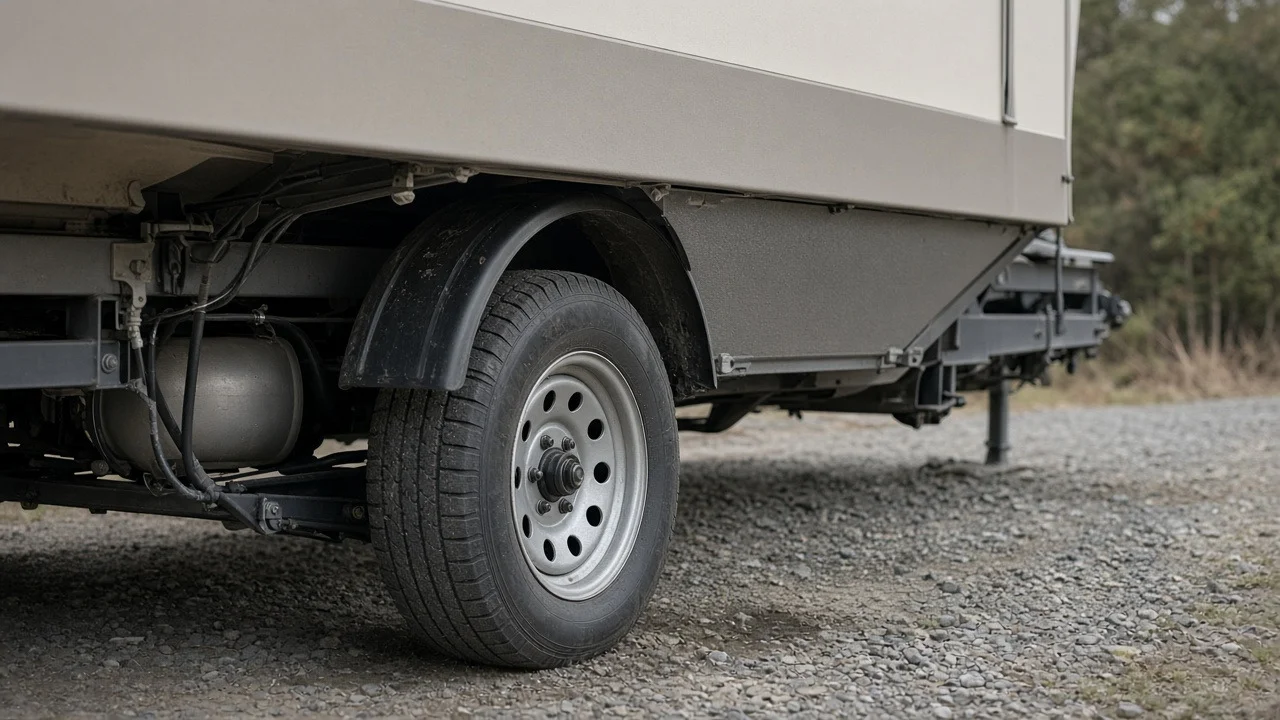
An RV insurance policy is a specialized form of vehicle insurance built for recreational vehicles. It combines the road-related protection of an auto policy with some of the property and liability protection you would expect from a homeowners or renters policy. The reason is simple: an RV is both a vehicle and, at times, a place where you live. The short answer to what RV insurance coverage includes is that it depends heavily on two things: whether the RV is motorized or towable, and how you use it. Recreational use, full-time living and renting the RV to others are treated very differently by insurers.
The essential answer: what RV insurance is and who needs it
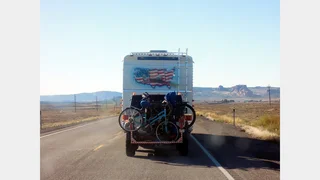
In the US, motorized RVs such as Class A, Class B and Class C motorhomes are generally treated like other self-propelled vehicles on public roads. That means most states require at least liability insurance to register and drive them, similar to the requirement for a car. Exact minimums vary by state, so the state where the RV is registered determines the legal baseline.
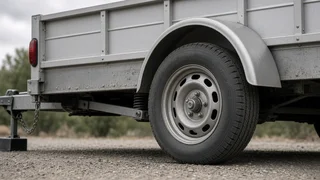
Towable RVs, including travel trailers, fifth-wheels, pop-up campers and toy haulers, work differently. Because they have no engine, liability for damage they cause while being towed is typically extended from the tow vehicle's auto policy. State law usually does not require separate insurance for the trailer itself. However, that extension rarely covers physical damage to the trailer, its contents or incidents that happen while it is parked at a campsite. Owners who want protection for the trailer itself usually need a dedicated policy. A lender will typically require one if the RV is financed.
How an RV policy differs from a standard auto policy
Some auto insurers will add an RV to an existing policy. A dedicated RV policy is designed around how RVs are actually used, and the main differences fall into three areas.
Living-space protection: RV policies can cover personal belongings inside the coach and liability for injuries that occur while the RV is parked and in use as accommodation. A standard auto policy is not designed for either. Built-in equipment: RVs carry appliances, generators, awnings, slide-outs, leveling systems and satellite equipment. RV policies often address these items explicitly, while auto policies may treat them as aftermarket equipment with limited coverage. Valuation options: RV policies more commonly offer agreed value or replacement cost settlement. These options can matter because RVs are expensive and depreciate in ways that differ from ordinary cars.
Core coverages in an RV insurance policy
Most RV policies are built from the same basic components as auto insurance. What each one does for an RV owner is summarized below.
Coverage | What it generally protects | Most relevant to; Liability coverage | Injuries to others and damage to their property when you are at fault. It usually includes bodily injury and property damage portions. | Motorized RVs (often legally required); towables mainly through the tow vehicle's policy; Collision coverage | Damage to your RV from a collision with another vehicle or object, or from an overturn, regardless of fault | Motorized and towable RVs, especially if financed; Comprehensive coverage | Non-collision damage such as theft, vandalism, fire, falling objects, hail, flood, wind and animal strikes, subject to policy terms | Motorized and towable RVs, including while stored; Uninsured/underinsured motorist | Your injuries, and in some states vehicle damage, caused by a driver with no insurance or too little insurance | Motorized RVs; availability and requirements vary by state; Medical payments or personal injury protection | Medical expenses for you and passengers after an accident; PIP is required in some no-fault states | Motorized RVs
RV-specific coverage options
Beyond the core coverages, insurers that specialize in RVs commonly offer add-ons. Names and details differ between companies, but the categories below appear frequently.
Personal effects coverage: protects belongings kept in the RV, such as clothing, electronics, cookware and camping gear, up to a set limit. Some homeowners policies extend limited coverage to belongings away from home, so it is worth checking for overlap. Vacation or campsite liability: covers injuries or property damage that occur around the parked RV, for example a guest tripping over a leveling block at a campground. Full-timer coverage: for people who live in their RV most or all of the year. It typically adds broader personal liability and other protections normally found in a homeowners policy, and insurers usually require you to disclose full-time use. Total loss replacement: if the RV is totaled within a defined period after purchase, the policy may pay for a comparable new RV rather than its depreciated value. Eligibility rules commonly depend on the RV's age and whether you are the original owner. Emergency expense or vacation interruption: helps pay for lodging, meals and transportation if a covered loss leaves you stranded away from home. Roadside assistance: towing, tire changes, fuel delivery and lockout service. RVs often need towing equipment suited to their size and weight, which some general roadside plans do not cover. Attached accessories: coverage for awnings, satellite dishes, solar panels and similar permanently attached equipment. Storage or lay-up option: reduces premiums during months when the RV is parked and not driven. Collision and liability are typically suspended, while comprehensive stays in place for theft, weather and similar risks.
How claims are valued: actual cash value, agreed value and replacement cost
The way a policy values your RV after a total loss can matter as much as which coverages you buy. Each common method works differently.
Actual cash value: pays what the RV was worth at the time of the loss, after depreciation. This is usually the least expensive option, but the payout can fall well below what you owe on a loan or what a replacement costs. Agreed value: you and the insurer agree on the RV's value when the policy is written, and that amount is paid for a covered total loss. This option is common for older, restored or high-value motorhomes. Replacement cost: pays to replace the RV with a new or comparable model, usually only for newer RVs and within a limited time frame.
If the RV is financed, ask how an actual cash value settlement would compare with the loan balance. Some owners add gap-type protection, where available, to cover the difference.
Deductibles and policy limits
The deductible is the amount you pay out of pocket on a collision or comprehensive claim before the insurer pays the rest. Choosing a higher deductible usually lowers the premium, but it also means absorbing more of each loss yourself. Some policies allow separate deductibles for collision and comprehensive, and some apply different deductibles to specific add-ons such as personal effects.
Policy limits are the maximum amounts the insurer will pay. For liability, limits are often expressed as separate caps for bodily injury per person, bodily injury per accident and property damage. Alternatively, they may be stated as a single combined limit. State minimums are a legal floor, not a recommendation. A large motorhome can cause serious damage in a crash, and many owners choose limits well above the minimum. Some also add an umbrella policy for extra liability protection. Physical damage coverage is limited by the RV's valuation method, and add-ons like personal effects carry their own caps.
Common exclusions to look for
Exclusions are situations or types of damage the policy does not cover. They vary by insurer and policy form, so the policy wording is what ultimately applies. Commonly excluded or restricted items include the following.
Wear and tear, gradual deterioration and lack of maintenance; Mechanical or electrical breakdown, which is usually handled by a separate extended service contract or mechanical breakdown coverage rather than standard insurance; Mold, rot and damage from slow leaks that develop over time, as opposed to sudden accidental water damage; Damage caused by rodents, insects or vermin; Commercial use, including renting the RV to others through peer-to-peer platforms, unless the policy or the rental platform provides specific coverage; Full-time residence when the policy was written for recreational use only; Intentional damage and use by drivers excluded from the policy; Items such as cash, jewelry or certain high-value property beyond stated sub-limits
Factors that commonly affect RV insurance cost
Premiums are set individually, so no single figure applies across the board. In general, insurers consider the following:
The RV's class, value, age and size; Whether it is motorized or towable; How often and how far it is driven; Whether it is used recreationally or as a full-time residence; Where it is registered and stored; The driving records of listed drivers; The deductibles, limits and add-ons selected; Available discounts, such as bundling with auto or home insurance, completing safety courses, having safety and anti-theft equipment, or belonging to RV clubs
How to choose the right RV insurance coverage
Start with how you actually use the RV, then match the policy to that use. The steps below are a practical sequence.
Identify the RV type. A motorhome needs its own liability coverage. For a towable, confirm what your tow vehicle's policy extends and what it leaves out. Define your usage honestly: weekend trips, extended seasonal travel or full-time living. Misstating use can lead to a denied claim. Decide how you want a total loss valued, and check whether the RV qualifies for agreed value or replacement cost. Set liability limits based on what you could lose in a lawsuit, not only on the state minimum. Review overlap with existing homeowners, renters and auto policies for personal belongings and liability. Ask directly about exclusions that matter to you, such as rentals, water damage, roadside towing for large vehicles and coverage while traveling in Canada or Mexico. If the RV sits for part of the year, ask whether a storage or lay-up option is available.
Bottom line
An RV insurance policy is vehicle insurance adapted for a vehicle that doubles as living space. The core coverages are liability, collision and comprehensive. They are often expanded with protection for belongings, campsite liability, full-time living, emergency expenses and roadside service. Whether you need a standalone policy, and which options make sense, depends mainly on whether the RV is motorized or towable, how it is valued and how you use it. Comparing deductibles, policy limits and exclusions side by side is the most reliable way to judge whether a quote actually fits your situation.