RV America Insurance: What to Check Before You Buy RV Coverage
The Short Answer
If you are looking into RV America insurance, judge any quote on the same points you would use for any RV policy. Find out who actually underwrites the coverage. Check that the policy matches your type of RV and how you use it. Then compare limits, deductibles and exclusions line by line rather than by premium alone. Two things change what you need most: whether your RV is motorized (a motorhome) or towable (a travel trailer or fifth wheel), and whether you use it occasionally or live in it full time.
This guide covers general principles of RV insurance in the US. It does not confirm the products, prices or terms of any specific company. Treat it as a checklist to bring to a quote conversation, not a review of a particular provider.
Confirm Who You Are Dealing With
Many businesses use similar names that combine RV, America or American with insurance. Before comparing coverage, make sure you know which business you are talking to and what role it plays. An agency or broker sells policies on behalf of one or more insurance companies. A carrier is the company that actually pays claims. The policy documents should name the underwriting carrier, and that carrier's financial strength and claims reputation matter more than the brand on the website.
Ask whether the business is an agency, a broker or the insurance carrier itself. Get the name of the underwriting insurance company on the policy. Confirm the agent or company is licensed in your state through your state insurance department. Ask whether the quote is from one carrier or a comparison across several.
Motorhome or Towable: Why It Changes the Policy
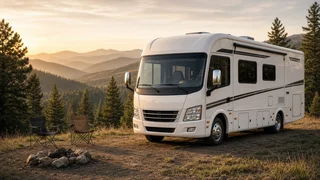
A motorhome is a vehicle you drive, so it usually needs its own auto-style policy, including liability coverage that meets your state's minimum requirements. A towable RV works differently. When it is hitched, liability is often extended from the tow vehicle's auto policy. A separate RV policy then mainly protects the trailer itself and its contents. How this works depends on the insurer and the state, so confirm with both your auto insurer and the RV insurer how a towable is covered while hitched, unhitched and parked at a campsite.
Core Coverages and What They Do
Coverage | What it generally pays for | Who usually needs it; Liability coverage | Injuries to others and damage to their property when you are at fault | Required for motorhomes in nearly all states; towables usually rely on the tow vehicle's liability; Collision coverage | Damage to your RV from hitting another vehicle or object, or from a rollover | Owners with a loan or lease, or anyone who could not easily absorb the repair or replacement cost; Comprehensive coverage | Non-collision damage such as theft, fire, hail, wind, falling objects and vandalism | Most owners, especially if the RV is stored outdoors or in severe-weather areas; Uninsured/underinsured motorist | Your injuries, and sometimes damage, caused by a driver with little or no insurance | Motorhome owners; required or optional depending on the state; Medical payments or personal injury protection | Medical costs for you and passengers, regardless of fault | Depends on state rules and existing health coverage
RV-Specific Options Worth Asking About
Standard auto coverage was not designed for a vehicle people also sleep in, cook in and store belongings in. Many RV policies offer extra options for those risks. Availability and wording vary, so ask how each one is defined rather than relying on the name.
Valuation method: actual cash value pays the depreciated value; agreed value, stated value or total loss replacement options may pay more after a total loss. Ask exactly how a total loss would be settled. Personal belongings: coverage for items inside the RV, which may be limited or excluded under a standard auto policy. Attached accessories: awnings, satellite dishes, solar panels, leveling systems and other permanently installed equipment. Vacation or campsite liability: protection if someone is injured at or around your parked RV. Full-timer coverage: broader, home-like liability and personal property protection for people who live in their RV. Emergency expense: lodging and transportation if a covered loss leaves you stranded away from home. Roadside assistance: towing and service suited to large vehicles. Confirm the provider can handle your RV's size and weight. Storage or lay-up options: reduced coverage while the RV is parked for the off-season, which may lower premiums.
Deductibles and Policy Limits
The deductible is the amount you pay toward a covered claim before the insurer pays the rest. A higher deductible usually lowers the premium but raises your out-of-pocket cost when something goes wrong. Choose a deductible you could pay without strain, and check whether collision and comprehensive have separate deductibles.
Policy limits are the maximum amounts the insurer will pay. Liability limits are often written as separate amounts per person and per accident for bodily injury, plus an amount for property damage. State minimums tend to be low compared with the cost of a serious accident involving a heavy vehicle. Many owners choose limits well above the minimum, sometimes with an umbrella policy on top. For physical damage, make sure the limit reflects what it would actually cost to repair or replace your RV.
Exclusions to Read Before Signing
Exclusions are situations the policy does not cover. They often explain why a claim is denied, so read that section of the policy itself, not just the summary on the quote. Common areas to check include:
Gradual damage such as wear and tear, rust or slow water leaks and the mold that follows. Rodent, insect or pest damage. Mechanical or electrical breakdown, which is usually not covered and may require a separate service contract. Renting the RV to others, including through peer-to-peer rental platforms, which may need specific coverage. Commercial or business use. Drivers not listed on the policy. Full-time residence in the RV if it was not disclosed when you bought the policy. Limits on coverage outside the US, such as travel into Mexico or Canada.
Questions to Ask Before You Buy
Which insurance company underwrites this policy, and is it licensed in my state? How will a total loss be valued, and does that change with the RV's age? What personal property is covered inside the RV, and up to what limit? Are aftermarket accessories and upgrades covered, and do I need to list them? How is my towable covered when hitched, unhitched and parked? Does the policy fit my use: occasional trips, seasonal travel or full-time living? What discounts apply, such as multi-policy bundling, safety courses, secure storage or paid-in-full payment? How do I file a claim, and can I choose my own repair shop, including RV specialists? Does roadside assistance cover a vehicle of my RV's size?
How to Compare Quotes Fairly
Quotes are only comparable when the coverage inside them matches. Before looking at price, line up each quote using the same categories:
Item to compare | What to note for each quote; Underwriting carrier | Company name and state license status; Liability limits | Bodily injury per person, per accident, and property damage; Physical damage | Collision and comprehensive included, with their deductibles; Valuation method | Actual cash value, agreed value, or replacement option; Contents and accessories | Included or not, and coverage limits; RV-specific add-ons | Campsite liability, full-timer, emergency expense, roadside; Key exclusions | Rentals, full-time use, travel outside the US, unlisted drivers; Premium and payment terms | Total cost for the same term and coverage
What to Expect From the Claims Process
A low premium is worth little if claims are hard to settle. Before buying, ask how claims are reported, whether help is available while you are traveling, and how the insurer handles RV repairs, which can take longer and need specialized shops. After any loss, document the damage with photos, prevent further damage where it is safe to do so, and report the claim promptly. Most policies require timely notice.
Your Next Step
Write down your RV type, its approximate value, how often you use it, where you store it and whether you live in it. Then request quotes from at least two or three sources, including any provider you found under the RV America name. Use the comparison table and question list above so each quote is judged on the same coverage, deductibles, limits and exclusions. Choose the policy that protects you best at a price you can sustain, not simply the cheapest one.