State Farm Trailer Insurance: What It Covers and What to Check Before You Buy
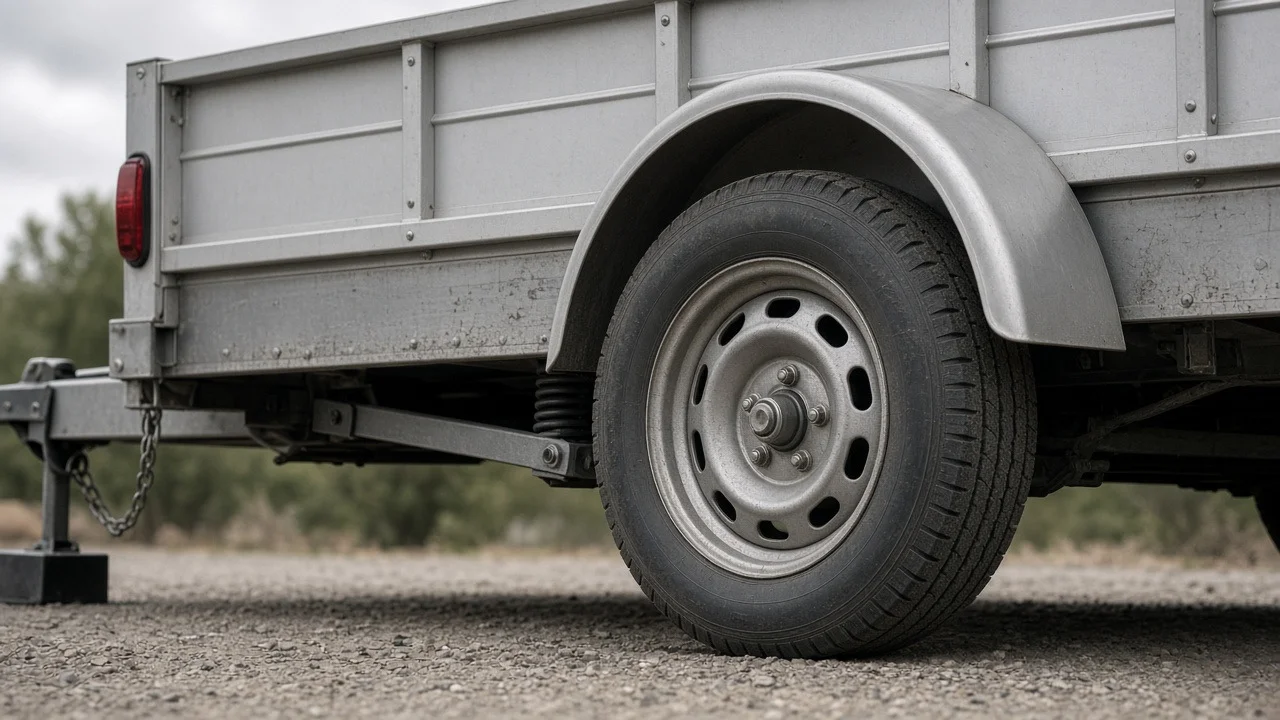
Short answer: State Farm offers insurance for trailers, including travel trailers, campers and other towable units, in many states. Whether you need a separate trailer policy depends on two things: what kind of trailer you own and whether you want protection for damage to the trailer itself. The liability coverage on the auto policy of the vehicle doing the towing often extends to a trailer while it is attached. That liability protection pays for harm you cause to others. It usually does not pay to repair or replace your own trailer. If losing the trailer would cost you more than you could comfortably absorb, you will generally want physical damage coverage for it. Coverage options, eligibility and terms vary by state and by trailer type, so confirm the details with a State Farm agent or in your policy documents before you rely on them.
How trailer coverage relates to your auto policy
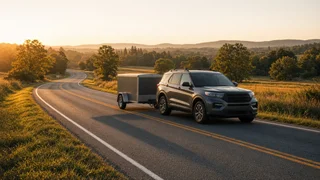
Many trailer owners assume their car or truck insurance covers the trailer completely. In practice, the protection usually splits into two parts. Liability follows the towing vehicle in many cases. If your trailer causes an accident while hitched, the towing vehicle's liability coverage may respond to injuries or property damage you cause to other people. Physical damage to the trailer is a separate question. Repair or replacement of the trailer after a crash, theft, fire or storm normally requires collision and comprehensive coverage written for the trailer itself.
Once the trailer is unhitched, the picture can change again. A camper parked at a campsite or a utility trailer stored in a driveway may not be protected by the towing vehicle's policy at all. Ask specifically how your trailer is covered while detached and in storage.
Trailer type changes the answer
Insurers tend to treat trailers differently depending on how they are used and what they are worth. When you request a quote, describe your trailer accurately, because the category affects which coverages are available.
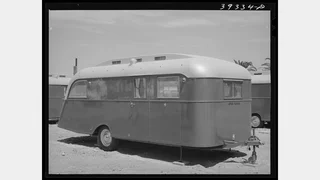
Travel trailers and campers: these often have living space, appliances and personal belongings inside, so owners commonly look at broader options, such as coverage for contents or for use as a temporary residence. Utility and cargo trailers: these are simpler and often lower in value. Some owners decide liability through the tow vehicle is enough. Others add physical damage coverage, especially for an enclosed or custom unit. Boat, horse, car-hauler and equipment trailers: the trailer and what it carries may need separate consideration. The cargo, such as a boat or livestock, is often insured under a different policy than the trailer. Trailers used for business: commercial use can fall outside a personal policy. Tell the agent if the trailer earns money or supports work.
Key coverage terms to understand
Liability coverage pays for bodily injury and property damage you cause to others. For trailers, the main questions are whether the towing vehicle's liability extends to the trailer and whether the policy limits are high enough for the extra weight and risk of towing.
Collision coverage pays for damage to your trailer when it hits another vehicle or object, or when it overturns, such as in a jackknife or a rollover while towing.
Comprehensive coverage pays for damage from causes other than collision. Theft, vandalism, fire, hail, wind, falling objects and animal strikes are typical examples. Trailers are frequently stored outdoors and can be easy to steal, so this coverage often matters as much as collision.
A deductible is the amount you pay toward a covered physical damage claim before the insurer pays the rest. A higher deductible usually lowers your premium. It also means you absorb more of each loss, so pick an amount you could actually pay on short notice.
Policy limits are the maximum the insurer will pay. For liability, limits cap payment per person and per accident. For physical damage, the payout depends on how the trailer is valued, which is covered in the next section.
Exclusions are situations or items the policy will not cover. Common examples include wear and tear, gradual deterioration, mechanical breakdown, certain types of water damage, and business use not disclosed to the insurer. Read the exclusions closely, because this is where coverage gaps usually show up.
How the trailer is valued in a claim
Ask how a total loss would be paid. Actual cash value pays what the trailer was worth at the time of loss, after depreciation. That amount can be well below what you paid or what a replacement costs. Some insurers offer other valuation options, such as replacement cost or agreed value, for certain trailer types or ages. Whether these are available on your trailer, and how they affect the premium, is something to confirm on your specific quote.
If you have added aftermarket equipment, ask whether it is included automatically, needs to be listed, or requires separate coverage. Examples include solar panels, upgraded axles, awnings, custom racks or a winch. The same question applies to belongings kept inside a camper, which may fall under the trailer policy, a homeowners or renters policy, or neither.
What to check before buying
Confirm that State Farm offers coverage for your trailer type in your state, and which options are available. Ask how liability works while the trailer is hitched, detached, parked and in storage. Decide whether you need collision and comprehensive coverage based on what the trailer would cost to replace. Choose a deductible you could pay without strain, and compare premiums at more than one deductible level. Check the liability limits on the towing vehicle. Towing adds risk, and higher limits may be worth reviewing. Ask how the trailer would be valued in a total loss: actual cash value or another method. List any custom equipment and ask how it is covered. Ask how contents inside the trailer are treated, especially for campers. Read the exclusions, including those for business use, long-term or full-time living in a camper, and travel outside the US. Ask whether bundling with your auto or home policy affects the price. If you have a loan on the trailer, check whether the lender requires physical damage coverage.
Getting a quote and comparing options
State Farm generally sells through local agents, and many people get trailer quotes that way. Have the following ready: the trailer's year, make, model and VIN, its purchase price or estimated value, how and where it is stored, how often you tow it, and the vehicle you use to tow it. Premiums depend on factors like trailer value, location, coverage choices and deductible, so a quote for your specific situation is the only reliable way to know the cost.
It is reasonable to compare State Farm's offer with quotes from other insurers, including companies that specialize in RV and trailer coverage. Compare matching coverage, limits and deductibles rather than price alone. A cheaper policy that pays actual cash value with broad exclusions may leave you with far less after a loss than a slightly higher premium with better terms.
If you need to file a claim
After a loss, report it to your agent or through State Farm's claims channels as soon as you can. Document the damage with photos, file a police report for theft or vandalism, and keep receipts for any emergency repairs or towing. The adjuster will apply your deductible, limits, valuation method and exclusions. Understanding those terms before you buy makes the claim outcome far more predictable.