Replacing a Brake Master Cylinder: Symptoms, Process and Cost Factors
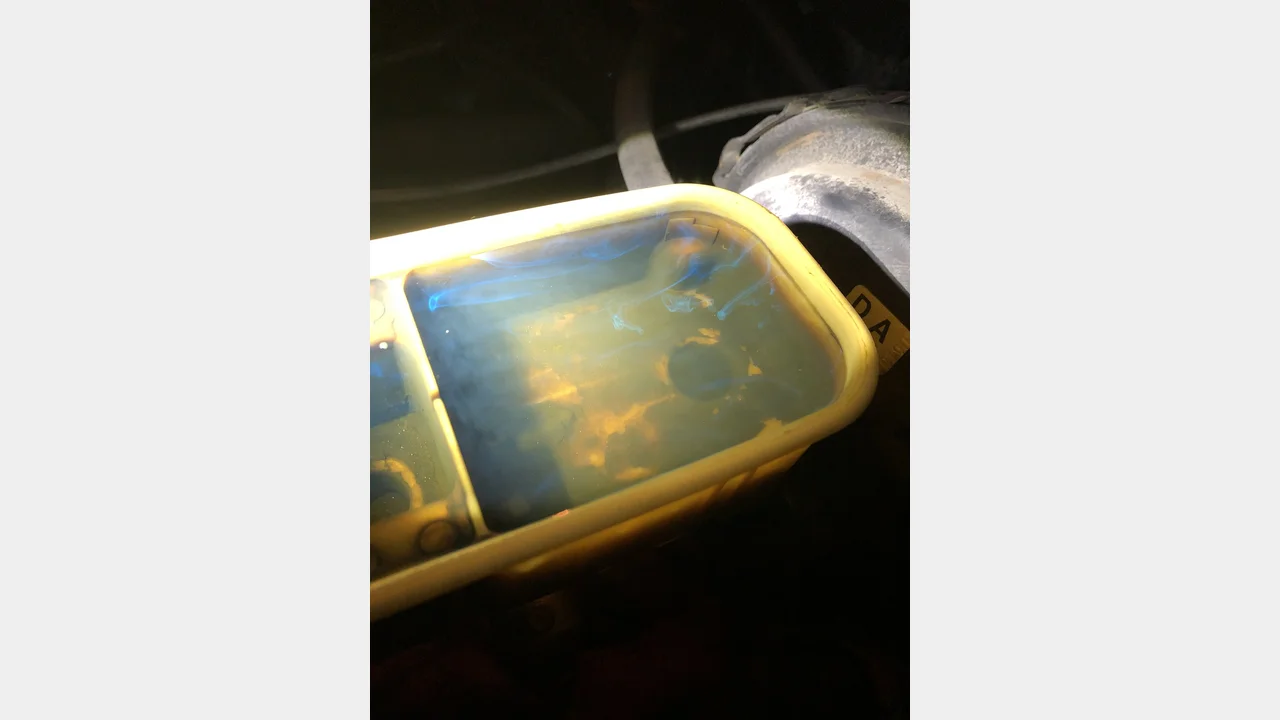
The brake master cylinder turns the force of your foot on the pedal into hydraulic pressure that applies the brakes at each wheel. When it fails internally or leaks, the usual fix is to replace the whole unit rather than repair it. The job means removing the old cylinder, bench bleeding the new one, installing it and then bleeding the brake system. How difficult it is, and what a shop charges, depends heavily on the vehicle. Models with complex ABS or stability-control hydraulics, and many hybrids and EVs with integrated electro-hydraulic brake units, can need procedures and equipment that a conventional system does not.
What the Brake Master Cylinder Does
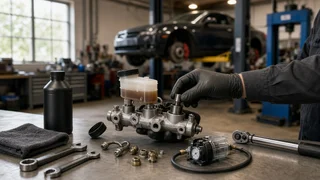
The master cylinder usually sits on the driver's side of the engine bay, bolted to the brake booster, with the brake fluid reservoir mounted on top. Inside is a bore with one or more pistons and rubber seals. When you press the pedal, a pushrod moves the pistons forward. That pushes brake fluid through the lines to each caliper or wheel cylinder, and the caliper clamps the brake pads against the brake rotors.
Modern passenger vehicles use a tandem, or dual-circuit, master cylinder. It splits the hydraulic system into two separate circuits so that a leak in one circuit leaves partial braking on the other. Depending on the design, the split may be front and rear or diagonal.
Signs the Master Cylinder May Be Failing
A brake pedal that slowly sinks toward the floor while you hold steady pressure at a stop, often caused by worn internal seals letting fluid bypass the pistons; A soft or spongy pedal that does not improve after the system has been properly bled; Brake fluid leaking where the master cylinder meets the booster, or around the reservoir and line fittings; The brake warning light coming on, particularly together with a low fluid level; Brake fluid that looks dark or contaminated, or a reservoir that keeps losing fluid with no visible external leak; Uneven or reduced braking that cannot be traced to the calipers, hoses or lines
Several of these symptoms overlap with other faults, so a careful diagnosis matters before buying parts. A spongy pedal is often air in the lines. A low fluid level is commonly just the normal result of brake pads wearing down: as the friction material thins toward its wear limits, the caliper pistons extend further and the reservoir level drops. A leaking caliper, a damaged hose or a fault in the brake booster can also feel like a master cylinder problem. A pedal that sinks steadily with no external leak is one of the more telling signs of internal master cylinder seal failure.
Replace or Rebuild?
Rebuild kits with new seals exist for some cylinders, and rebuilding was once common. Today most owners and shops replace the unit. Aluminum bores can be scored or corroded in ways that new seals will not fix, and new or remanufactured cylinders are widely available for common vehicles. Rebuilding is now mostly used on classic or low-production vehicles where a replacement is hard to find.
What Replacement Involves
The steps below give a general picture of the job on a conventional hydraulic system. Torque values, bleeding sequence and any electronic procedures vary by vehicle and should come from the service information for that model.
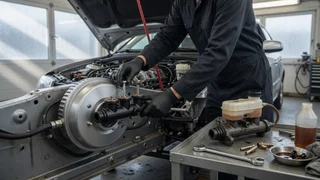
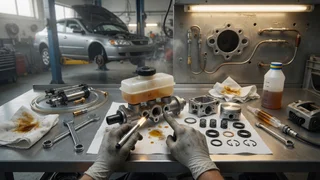
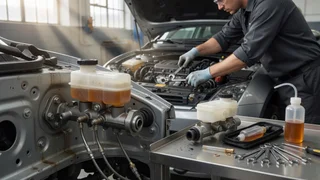
Remove as much old fluid from the reservoir as practical, and protect painted surfaces, because brake fluid damages paint; Disconnect the fluid level sensor connector, if fitted, and loosen the brake line fittings using a flare-nut (line) wrench so the soft fittings do not round off; Remove the nuts that hold the master cylinder to the brake booster and lift the cylinder out; Bench bleed the new cylinder before installing it: clamp it in a vise, fit bleeder tubes routed back into the reservoir, and stroke the pistons until no air bubbles appear; Mount the new cylinder on the booster, reconnect the lines without cross-threading them, and tighten the fittings to specification; Bleed the brake system at each wheel in the order the manufacturer specifies, using fresh fluid of the correct type; Check the pedal height and firmness, look for leaks, and road test the vehicle at low speed before normal driving
Bench bleeding is the step people most often skip, and skipping it can trap air in the cylinder that is hard to purge later. On many vehicles with ABS, if air reaches the hydraulic control unit, it may need a scan tool to cycle the ABS valves during bleeding. Some vehicles also require a pushrod length check or adjustment between the booster and the new cylinder. An incorrect pushrod setting can leave the brakes dragging or cause excessive pedal travel.
Is It a DIY Job?
On many older and conventional vehicles, a competent home mechanic with the right tools can replace a master cylinder. Those tools include flare-nut wrenches, a bench bleeding kit and a way to bleed the brakes properly. The brakes are a critical safety system, though, and mistakes are not forgiving. Common errors include a cross-threaded line fitting, air left in the system, the wrong fluid type, or contaminating the system with petroleum-based fluids. The job is better left to a professional when the vehicle needs a scan tool for ABS bleeding, uses an integrated electronic brake unit, or has a cylinder that is difficult to reach.
Choosing a Replacement Part
Vehicle fitment is the first consideration. Bore size, port threads, the number and position of the outlets, the reservoir design and sensor connections can all differ between model years, trims and brake packages, even within the same model. Matching by VIN, or by the exact year, model, engine and brake configuration, reduces the risk of buying the wrong unit.
Option | Typical characteristics | Considerations; OEM new | Made to the original specification by or for the vehicle manufacturer | Usually the most predictable fit; often the highest price; Aftermarket new | Newly manufactured by a third-party brand | Quality varies by brand; confirm fitment details carefully; Remanufactured | Original core cleaned, inspected and resealed | Often cheaper; may require returning the old unit as a core
Some replacement cylinders come with a new reservoir and some do not. Check what is included before ordering, and inspect the existing reservoir grommets, because old grommets can leak when reused.
Brake Master Cylinder Replacement Cost Factors
There is no single price for this repair. Brake master cylinder replacement cost varies widely with the vehicle, the part chosen, local labor rates and how much extra work the job turns out to need. Getting a written estimate for your specific vehicle is the most reliable way to know what you will pay. The main factors that drive the total are:
Part price, which differs between OEM, aftermarket and remanufactured units and between makes and models; Included components, such as whether the reservoir and level sensor come with the cylinder; Labor time, which depends on how accessible the cylinder is in the engine bay; Bleeding requirements, especially if ABS bleeding with a scan tool is needed; Integrated electro-hydraulic brake systems on some hybrids, EVs and newer vehicles, where the master cylinder is part of a larger and more expensive assembly; Related repairs found during the job, such as corroded brake lines, a failing booster or leaking calipers; Fresh brake fluid for the bleed, and any core charge on remanufactured parts
If the brake pads or brake rotors are near their wear limits, or the brake fluid is overdue for a change, doing that work at the same visit can save a second round of labor. The brake system will already be open and bled, so the two jobs overlap.
Driving With a Failing Master Cylinder
A dual-circuit design can preserve some braking if one circuit fails, but stopping distances get longer and pedal feel becomes unreliable. A sinking pedal, a brake warning light or a visible fluid leak are reasons to stop driving the vehicle and have it inspected promptly. Do not treat these as problems to monitor over time.
Key Takeaways
Replacing a brake master cylinder is usually a whole-unit swap followed by bench bleeding and a full system bleed. Confirm the diagnosis first, because air in the lines, worn pads, booster faults and caliper leaks can mimic a failing cylinder. Match the replacement part exactly to your vehicle. Expect cost and complexity to rise on vehicles with advanced ABS or integrated electronic brake systems. If you are unsure about any step, a professional brake repair is the safer choice.