Replace 1998 Chevy Blazer brake calipers
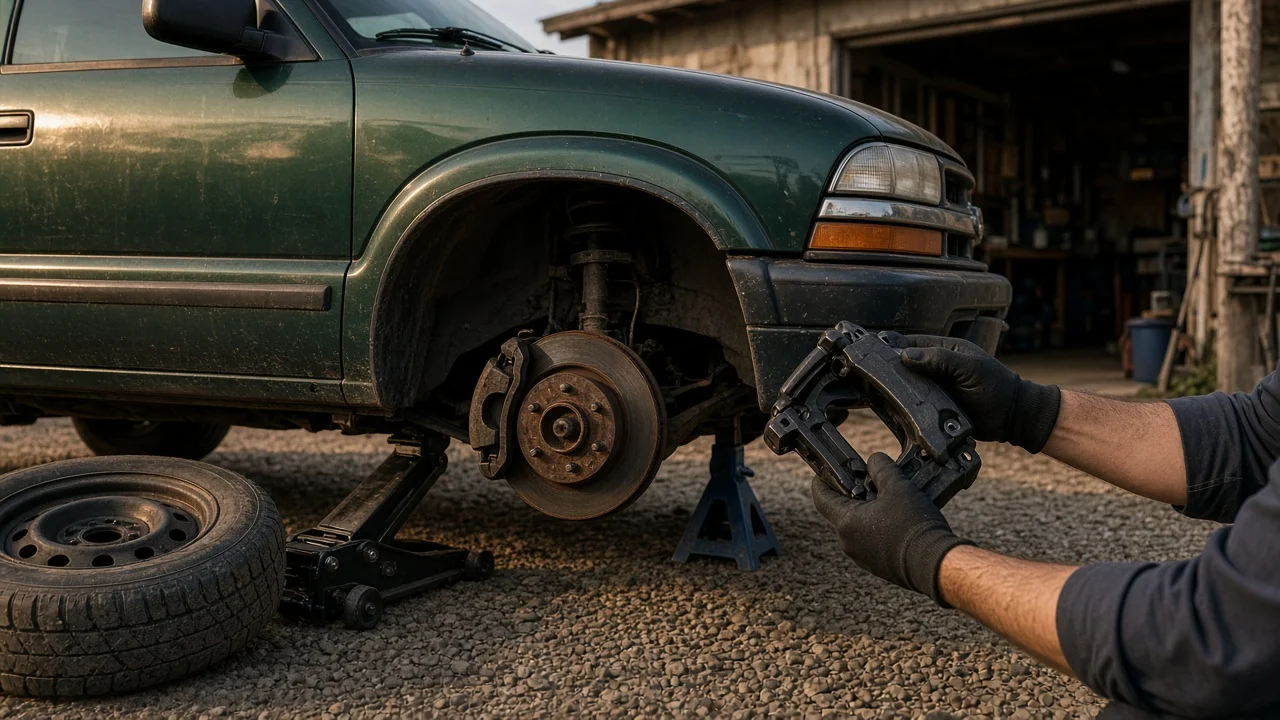
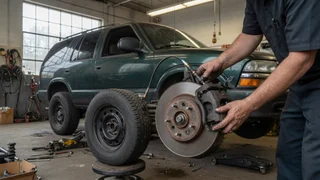
Replacing brake calipers on a 1998 Chevy Blazer means addressing the hydraulic clamp assemblies that push the brake pads against the rotors. Over time, these cast or aluminum caliper bodies can develop sticking slides, torn dust seals, leaking piston square-cut seals, or corrosion around the banjo bolt and bleeder screw. Because this model may use different front and rear brake configurations depending on drivetrain and trim, the replacement path starts with confirming vehicle fitment and the brake package before opening the hydraulic system. Brake fluid exposure, wear limits on related hardware, and the condition of the friction material all influence whether a caliper should be replaced or only serviced.
Essential answer
For a 1998 Chevy Blazer, replacing brake calipers generally involves confirming the correct side and axle application, safely supporting the vehicle, relieving hydraulic pressure carefully, and exchanging the old caliper for a rebuilt or new unit that matches the original mounting and hose connection. Calipers are replaced when a piston sticks, the housing is damaged, or a seal leak has contaminated the brake pads and reduced stopping consistency. That said, a caliper fault code or uneven pad wear is not automatic proof that the caliper casting itself must be changed; a restricted slide pin or degraded rubber boot can create similar symptoms while still allowing the caliper body to be cleaned and reused.
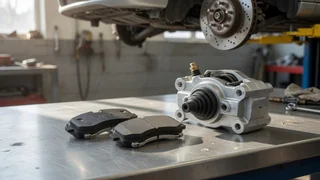
Calipers should be considered as part of the complete brake assembly, not as isolated bolt-on hardware. Brake pads transfer friction to the rotor, but the caliper supplies the controlled clamping force through brake fluid pressure. If the caliper cannot retract smoothly, the pad may drag against the rotor, create excess heat, and accelerate wear. The replacement decision therefore depends on mechanical inspection: smooth piston travel, intact seals, clean slide surfaces, and dry banjo bolt and bleeder areas. On a vehicle of this age, corrosion is common, and a rebuilt caliper can often provide fresh sealing surfaces more predictably than cleaning heavily pitted original parts.